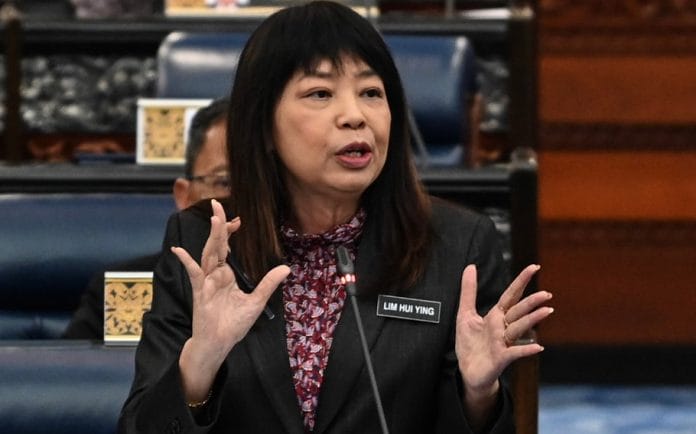
The Sales and Service Tax (SST) expansion that came into effect on July 1 2025, is expected to generate an additional RM5 billion in revenue this year, the Deputy Finance Minister Lim Hui Ying told the Dewan Negara today.
The response came after Senator Datin Hajah Ros Suryati Alang asked about the impact of the new SST framework on the public and whether it had enabled the government to cover operating and development expenditure without raising borrowings.
The minister said it was still too early to measure the full effects on households but stressed that initial projections showed the burden was “low and controlled” due to exemptions aimed at protecting essential goods and services.
Among the exemptions highlighted were sales tax on staple foods, medicines, books and agricultural machinery, while higher rates of 5% or 10% applied only to non-essential or luxury items. Services tied to basic needs, such as banking, housing rentals and residential construction, were also excluded.
Service tax was imposed mainly on commercial offerings or those used by higher-income groups, including private school fees exceeding RM60,000 a year. High registration thresholds of RM1 million for leasing services and RM1.5 million for private healthcare and construction were also set to avoid overburdening smaller operators.
Lim said the RM5 billion in additional revenue, coupled with prudent expenditure, had strengthened government finances, enabling operations and development spending to be covered without adding to debt.
She added that the increase in tax receipts also allowed subsidies for basic goods to continue, with programmes such as the Sumbangan Asas Rahmah (SARA) and Sumbangan Tunai Rahmah (STR) aimed at alleviating household living costs.