



Taylor’s University has reached a landmark moment in its history. On September 11, 2025, the institution was officially awarded Self-Accreditation Status by the Malaysian Qualifications Agency, an endorsement backed by the Ministry of Higher Education Malaysia.
The announcement was made at the opening of the 16th International Teaching and Learning Conference, officiated by YB Dato’ Seri Diraja Dr Zambry Abd Kadir, Minister of Higher Education.
This recognition places Taylor’s among only 20 institutions in Malaysia with the privilege of self-accreditation. It allows the university to validate its own academic programmes through its Senate Committee, while professional qualifications will continue to follow external regulatory pathways.
The conferment is widely seen as a sign of maturity in academic governance and a testament to Taylor’s proven track record of quality and excellence.
For Taylor’s, the award is both an honour and a responsibility. Professor Barry Winn, Vice-Chancellor and President of the university, emphasised that the recognition empowers Taylor’s to design programmes that are responsive to the evolving needs of industry and society.
“This achievement marks another important step in our journey to shape education that is not only future-focused, but also deeply rooted in purpose and impact,” he said.
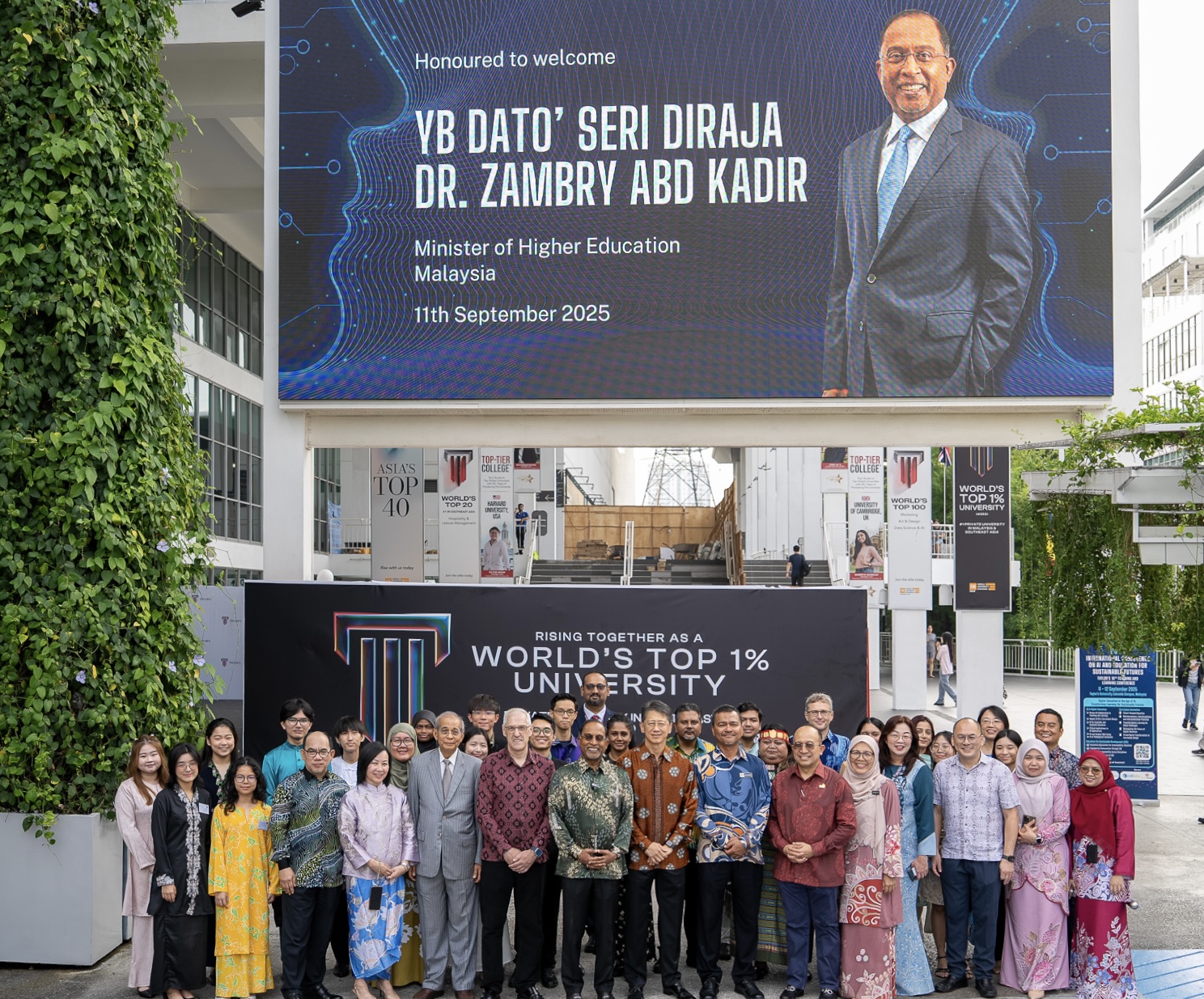
The Minister echoed this sentiment, noting that the award reflects not only the government’s trust in Taylor’s internal quality systems but also its consistent ability to produce globally competitive and socially responsible graduates. He expressed confidence that the university will continue to strengthen Malaysia’s standing as a regional hub for world-class education.
The announcement came against the backdrop of a conference themed “Higher Education in the Age of AI: Transforming Learning for Sustainable Futures”. The event brought together policymakers, academics and industry leaders to discuss some of the most pressing challenges in education today, including artificial intelligence, sustainability and curriculum transformation.
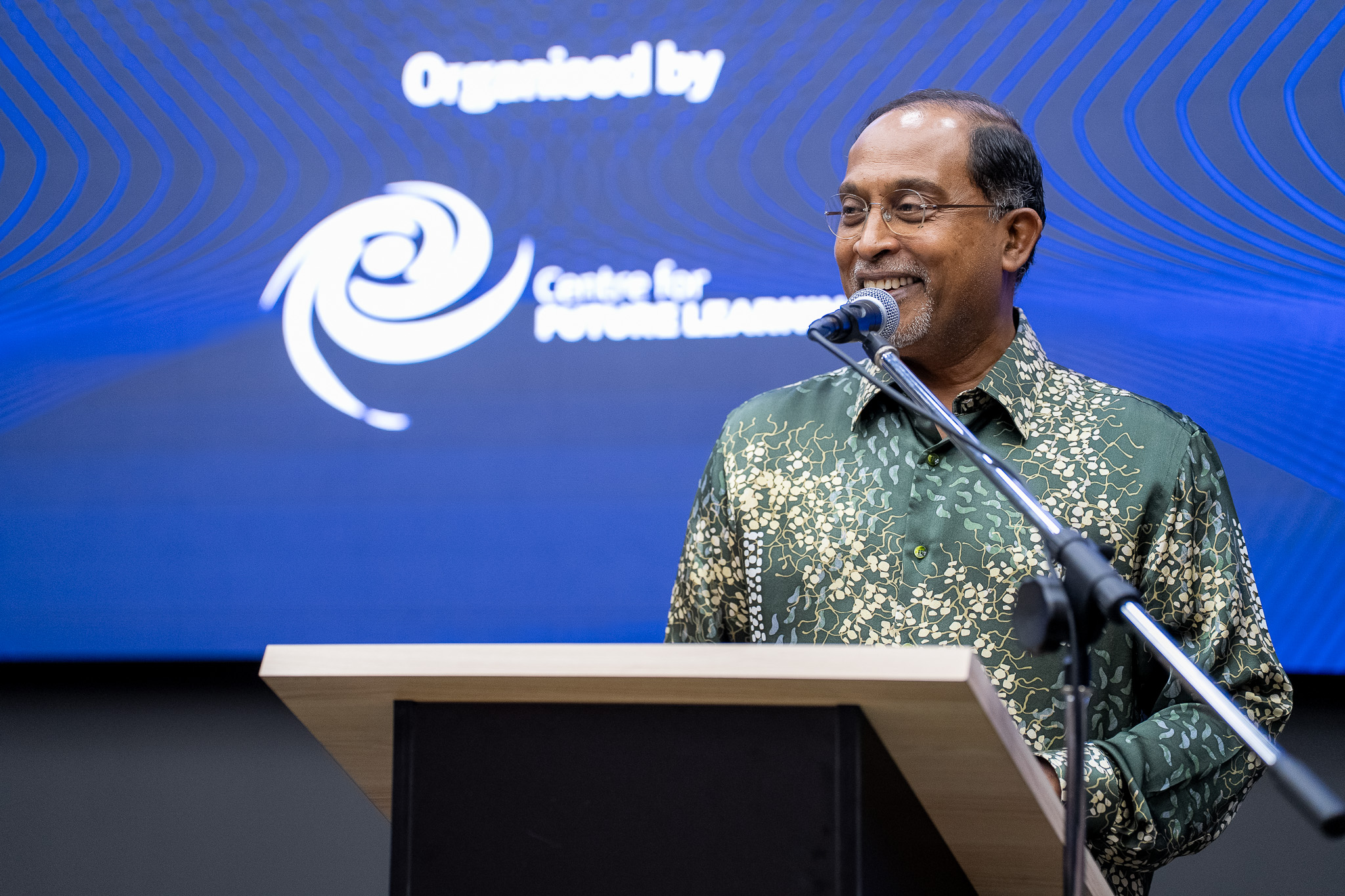
In his opening speech, the Minister outlined three key priorities for higher education: harnessing artificial intelligence responsibly, embedding sustainability in every aspect of university life, and ensuring curricula prepare students for the realities of a globalised world.
He stressed that while AI offers opportunities for more personalised and accessible learning, it also raises concerns around academic integrity and fairness — issues that educators must address with care.
Taylor’s showcased some of its own innovations in this space, including its HyFlex learning model that seamlessly blends in-person and online experiences. In a striking demonstration, delegates watched as an AI-generated “digital twin” delivered a presentation in multiple languages, offering a glimpse of how technology could make learning more inclusive and personalised in the years ahead.
Sustainability was also a recurring theme throughout the conference. Taylor’s Impact Labs, involving over 210 industry and NGO partners, were highlighted as examples of how education can be applied to tackle real-world challenges such as urban poverty, food security and climate change. As the Minister observed, “Sustainability is not just a theme — it is a way of being.”
The conferment of Self-Accreditation Status, combined with its innovative teaching approaches and global ranking of #253 in the QS World University Rankings 2026, reinforces Taylor’s position as one of Southeast Asia’s leading private universities.
By coupling academic excellence with a strong social mission, Taylor’s continues to position itself not only as a top destination for study, but also as a thought leader shaping the future of higher education in Malaysia and beyond.


