



Sustainability is on a continuous rise as more focus is being implemented into environmental care. Even before a lens was placed on sustainability, there are several businesses and brands that have taken to implementing sustainable practices for their products. That said, there are a number of local fashion brands to track for this year with the growing focus on sustainable products.
Terrae
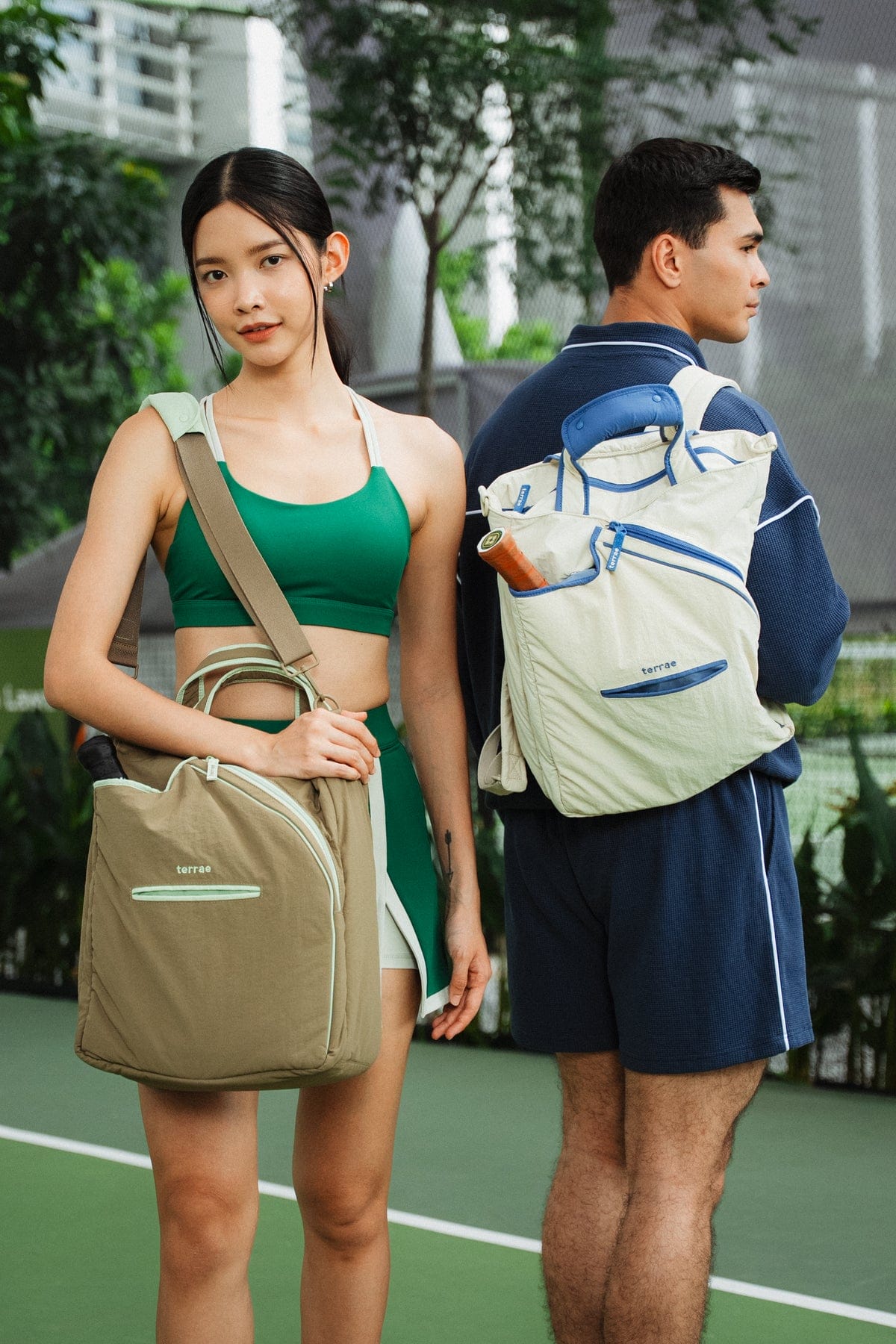
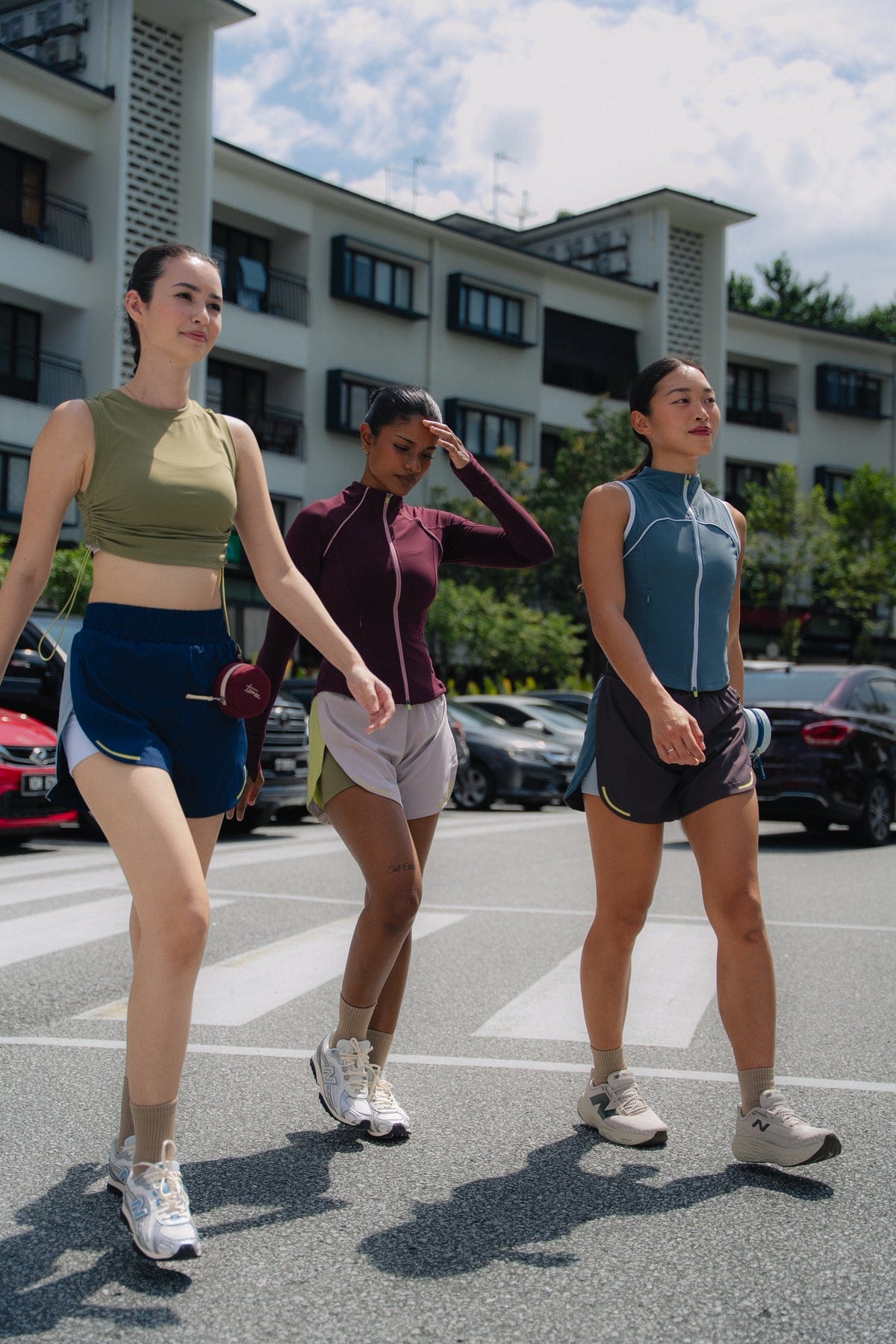
One local brand that fits squarely into this shift is Terrae. The Malaysian activewear label has built its identity around smart material choices, using ECONYL regenerated nylon made from discarded fishing nets, along with recycled polyester and organic cotton.
The result is activewear that performs well, holds up over time, and is designed with environmental impact in mind. Looking ahead to 2026, Terrae is set to expand with larger collections like “At the Courts”, moving further into athleisure that works just as well for everyday wear as it does for workouts.
The brand also places strong emphasis on ethical manufacturing and inclusive design, creating pieces meant for real bodies and real routines rather than fast-moving trends. With worldwide shipping and recyclable packaging already in place, Terrae is positioning itself as a homegrown brand ready to meet growing demand for sustainable fashion both locally and beyond.
Kanoe
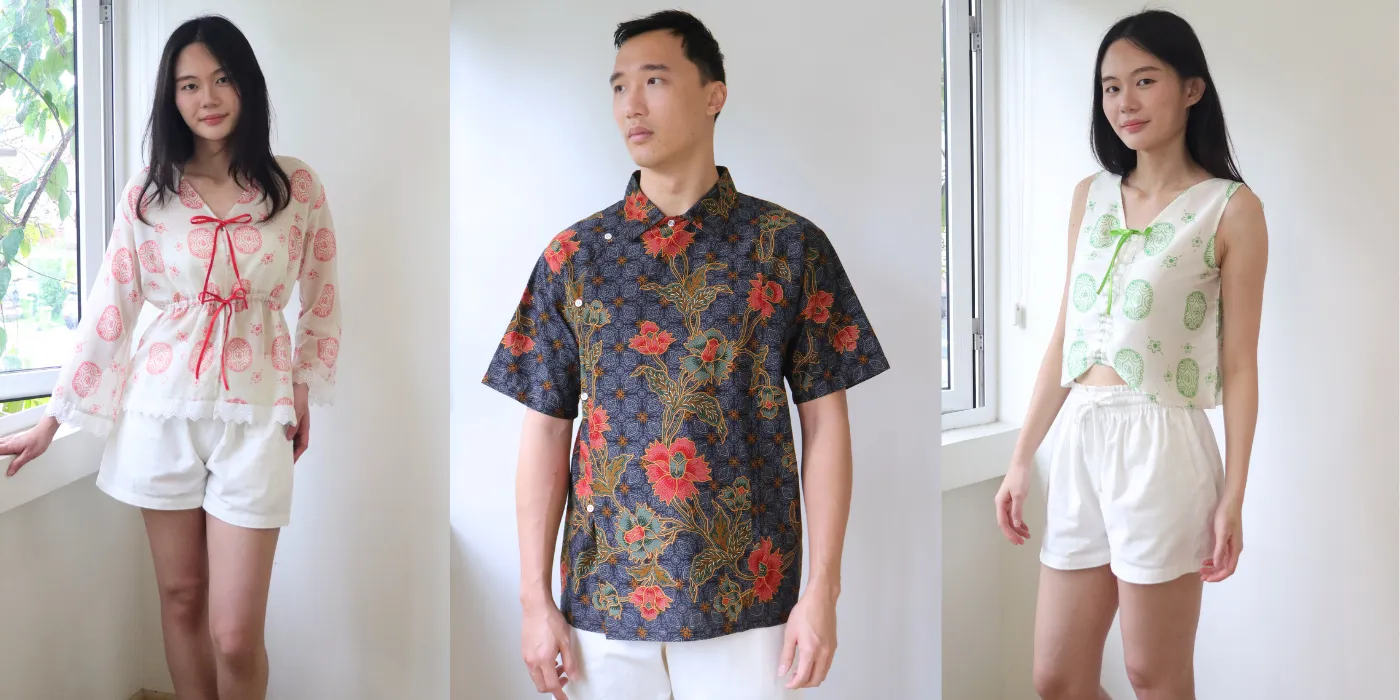
Another brand to have on your radar is Kanoe. The Malaysian label takes a slower, more considered approach to fashion, focusing on small-batch resort wear made from natural fabrics like linen and batik. Its pieces are designed with the local climate in mind—light, breathable, and easy to wear—while still feeling polished enough for festive occasions.
Instead of chasing trends, Kanoe keeps its collections tight and intentional, which helps cut down on waste and encourages longer wear. Heading into 2026, the brand continues to lean into cultural storytelling through its seasonal drops, offering designs that feel relevant beyond a single celebration and single usage.
Tarik Jeans
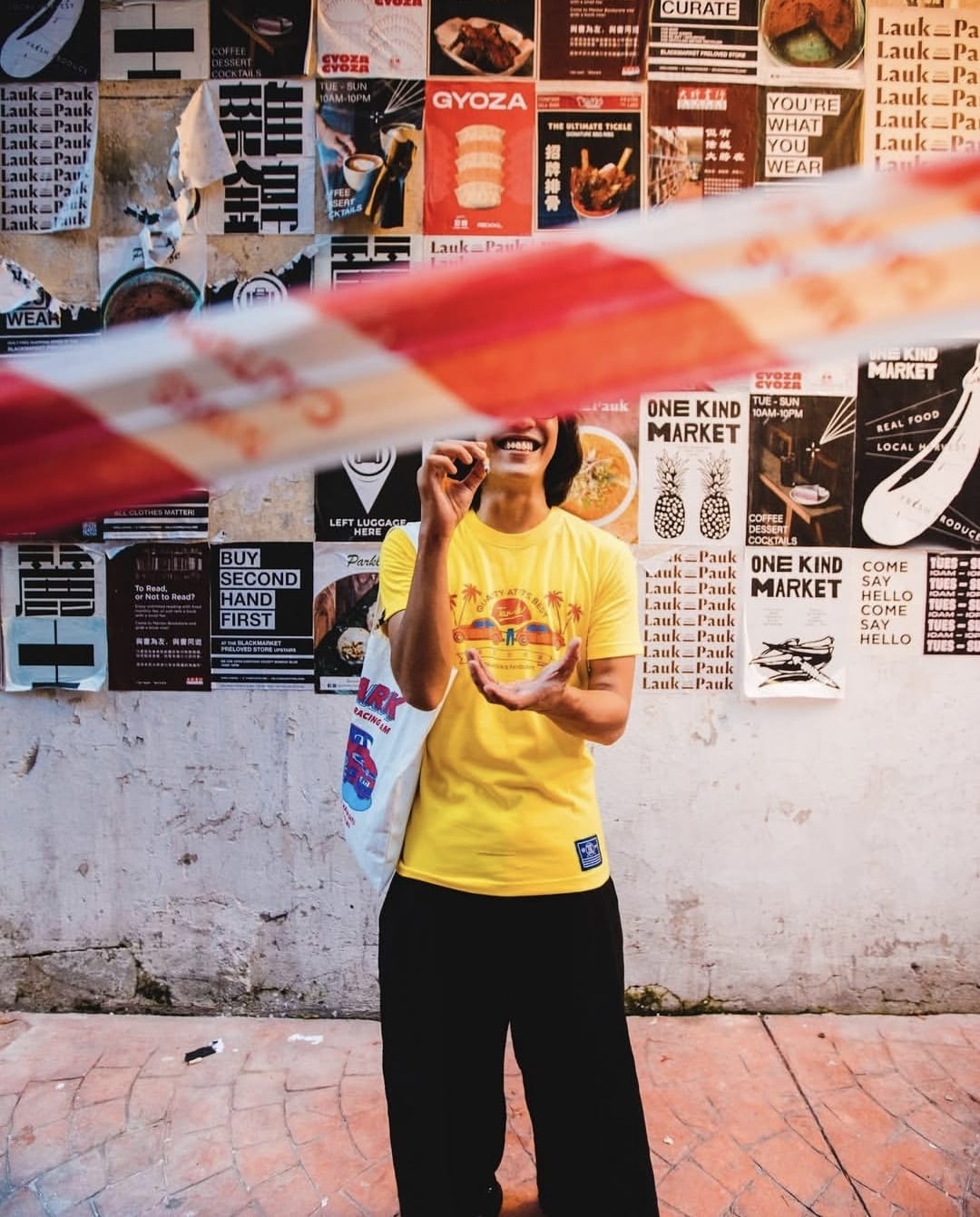
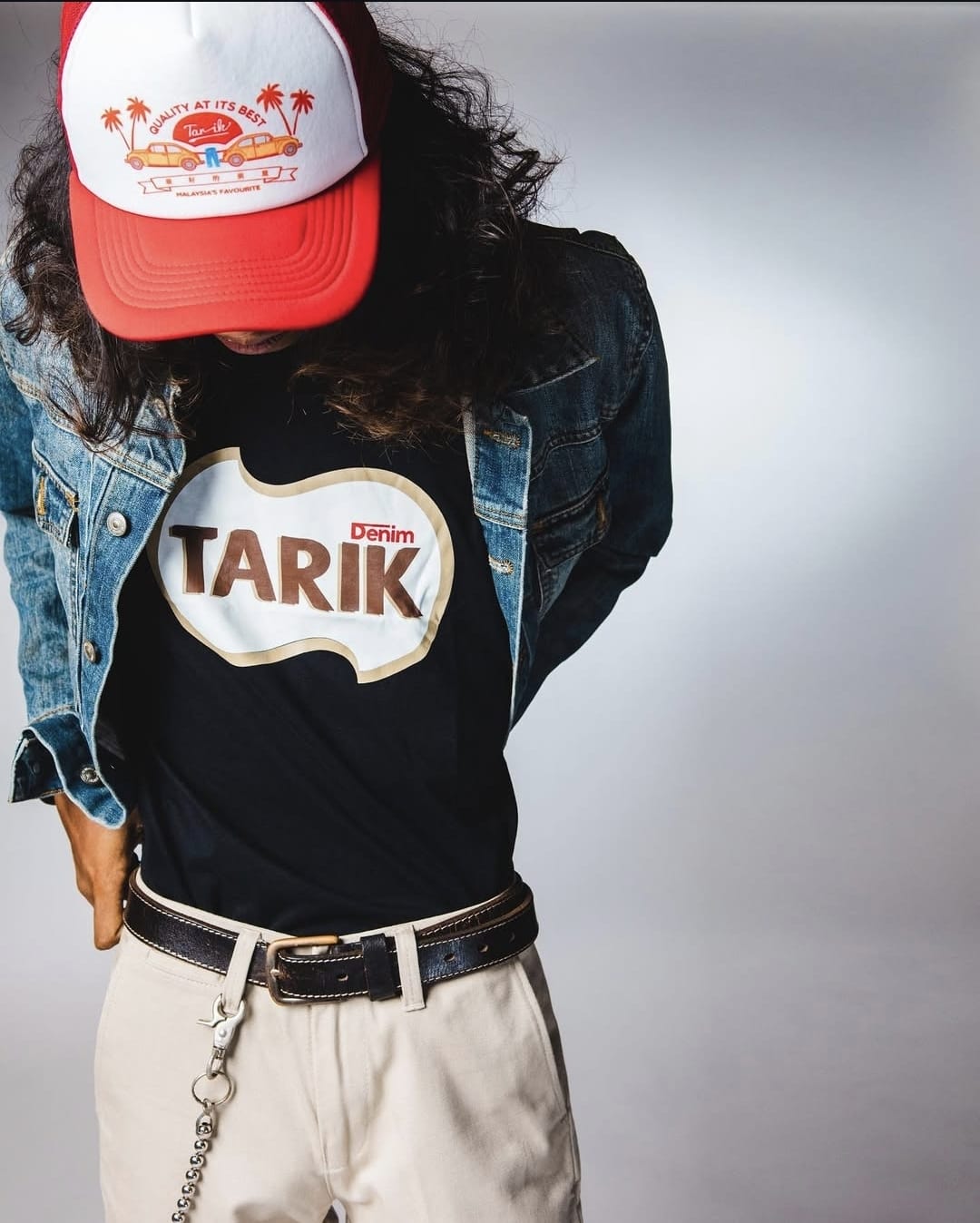
For a more urban brand to consider worth watching, check out Tarik Jeans. It is a Malaysian denim label that blends cultural roots with a strong sustainability mindset. Known for its premium raw denim, Tarik focuses on pieces that age naturally with wear while keeping environmental impact low.
The brand uses organic cotton, low-water laser fading, and energy-efficient production methods, cutting water use significantly compared to conventional denim processes. Ethical manufacturing is also central to its operations, with fair labor partnerships built into its supply chain.
As interest in sustainable denim grows, Tarik continues to gain traction through accessible pricing, wider online availability, and regular pop-ups, while collaborations tied to conservation and community initiatives reinforce its purpose-driven approach. All of this positions the brand well for broader reach in 2026, especially among consumers looking for denim that tells a story and lasts.
Kualesa
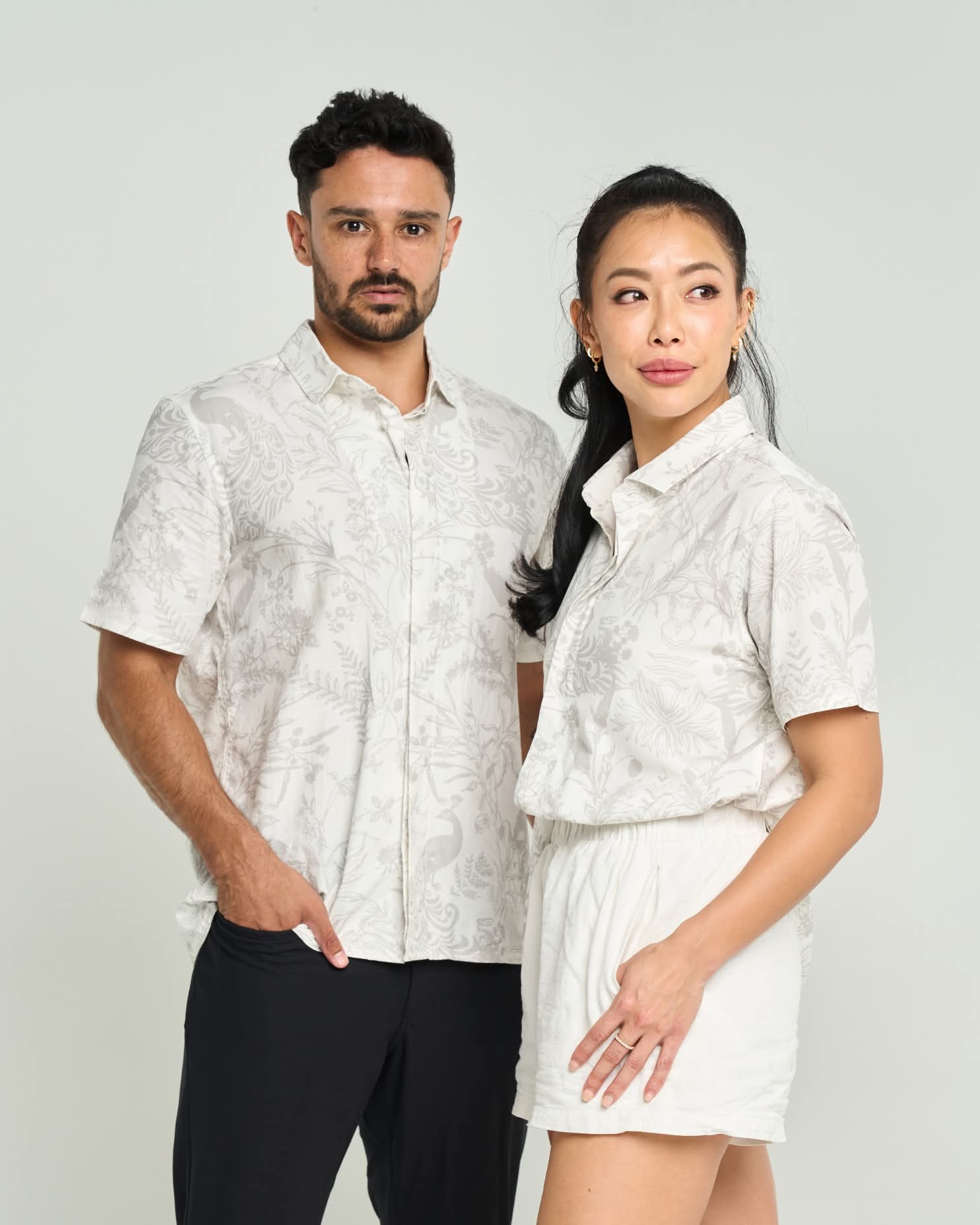
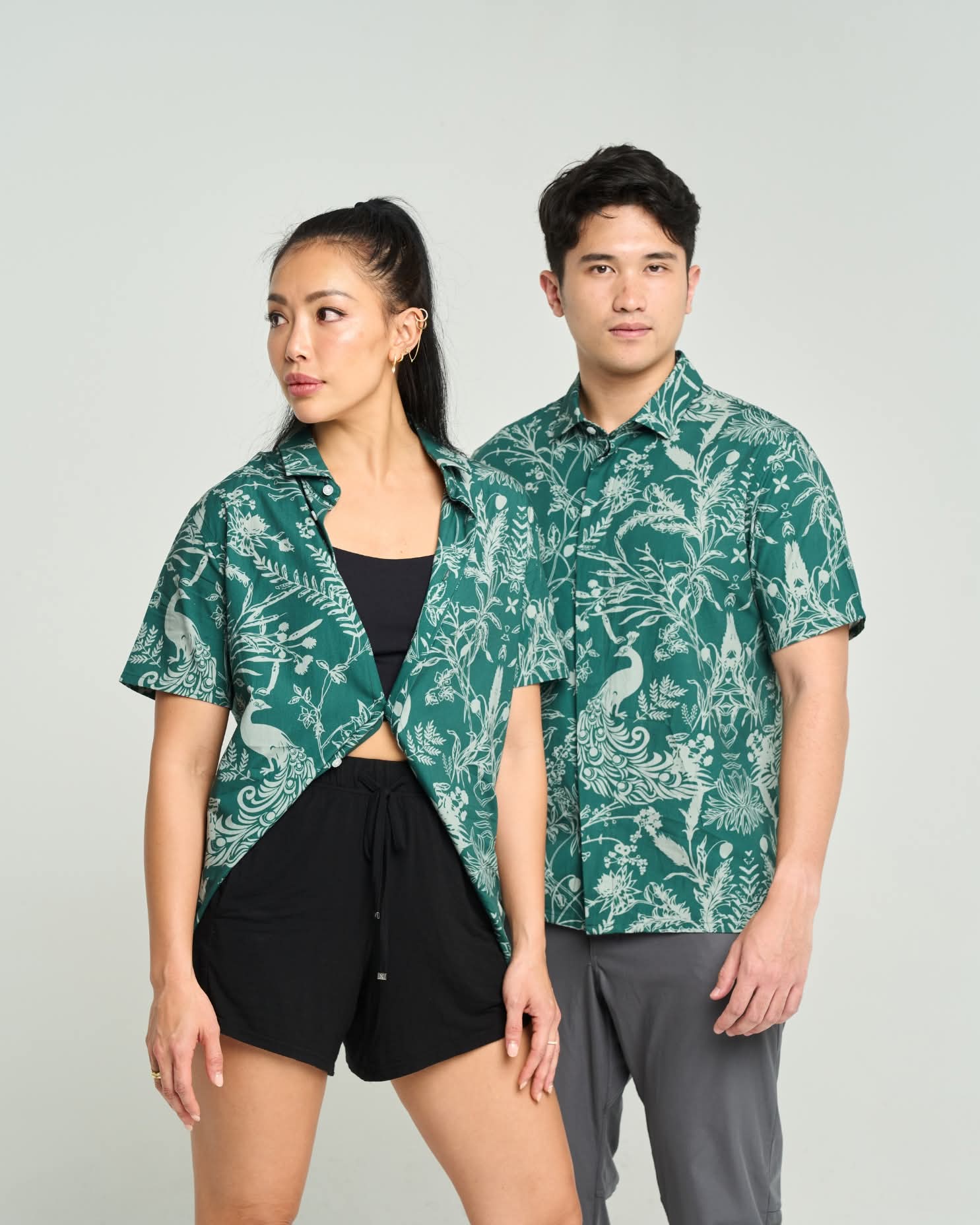
Kualesa stands as a contender to watch in 2026 for its focus on bamboo lyocell, a fabric that combines comfort, breathability, and strong environmental credentials. The brand prioritizes durable, everyday essentials like tees, polos, and shirts that hold up to regular wear, offering a practical alternative to fast fashion.
Its closed-loop production process and use of rapidly renewable bamboo make it a clear example of how sustainable materials can be scaled for everyday clothing. With regional expansion, pop-ups, and new collections—including women’s wear and batik-inspired pieces—Kualesa is positioning itself as a brand that proves eco-conscious apparel can be both functional and widely accessible.
FERN
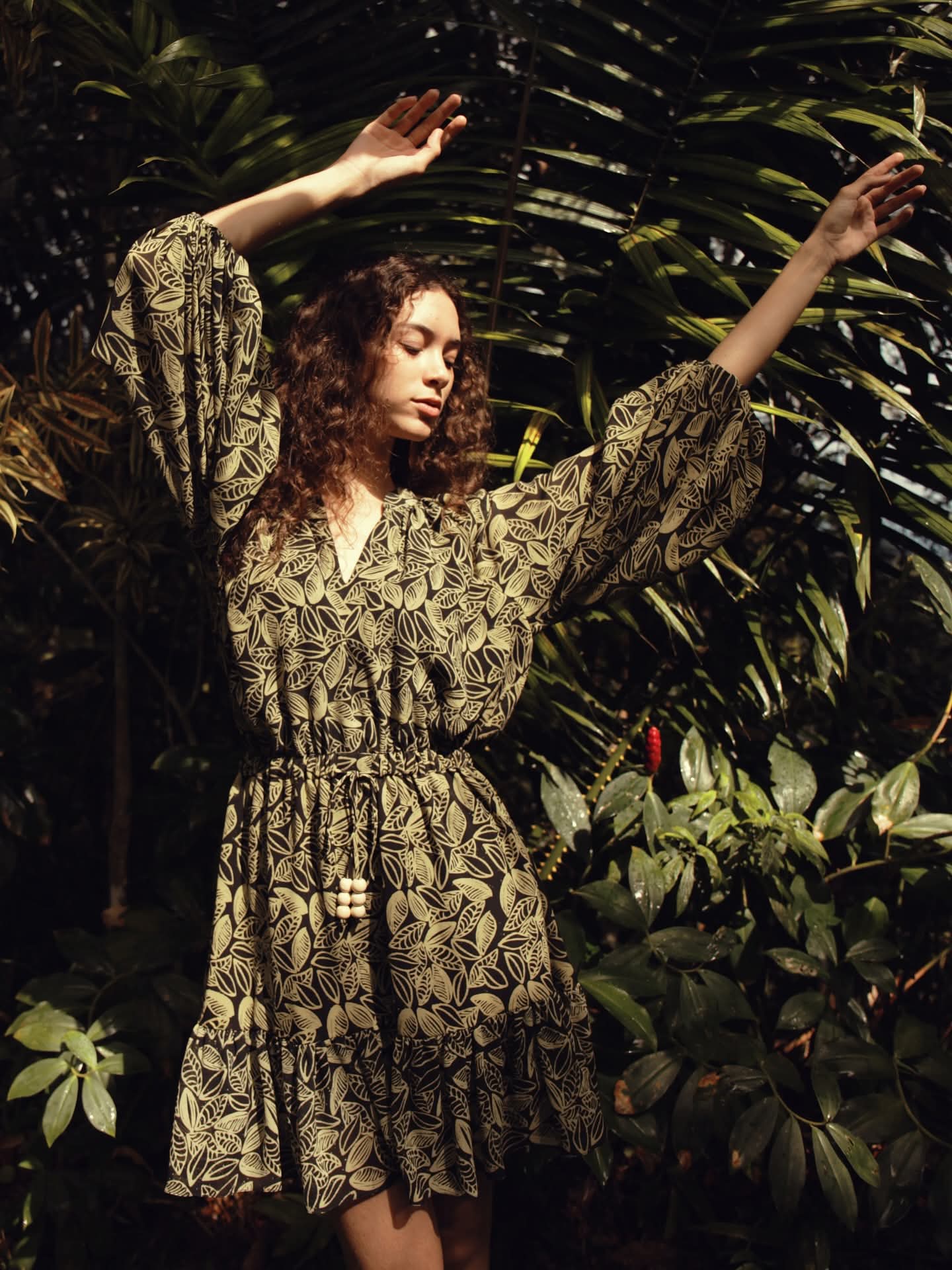
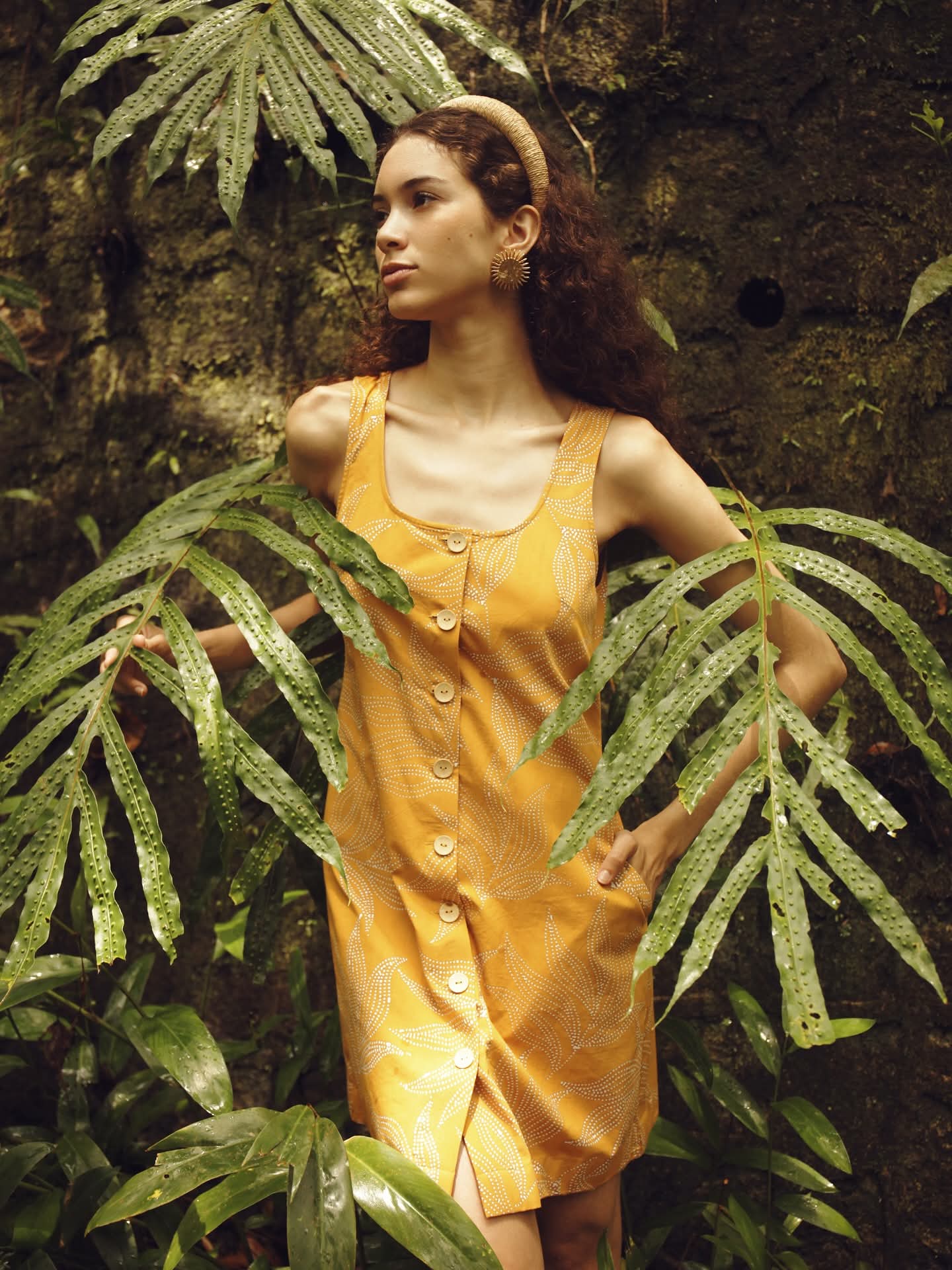
If we are talking sustainable brands, FERN is a consistent brand of note.Founded by Fern Chua, it brings batik heritage into the modern age by combining handcrafted artistry with resort-ready designs. Everything is made in-house using natural materials like linen, Biwa cotton, ramie, and silk, with artisans creating unique brush-painted batik patterns inspired by Malaysian rainforests and global motifs.
This zero-waste, small-batch approach makes each piece—from dresses to scarves—truly one of a kind. The brand has already gained international attention, from gifting custom scarves to ASEAN Summit leaders to building a loyal following online. In 2026, FERN is poised to expand into eco-luxury home goods and jewelry, making it a brand to watch for anyone interested in sustainable fashion that combines craftsmanship, cultural heritage, and thoughtful growth.
As Malaysia’s sustainable fashion scene continues to evolve, these brands are just the start. Stay tuned for upcoming lists highlighting fresh names, innovative collaborations, and seasonal drops that are shaping 2026’s eco-fashion landscape.


