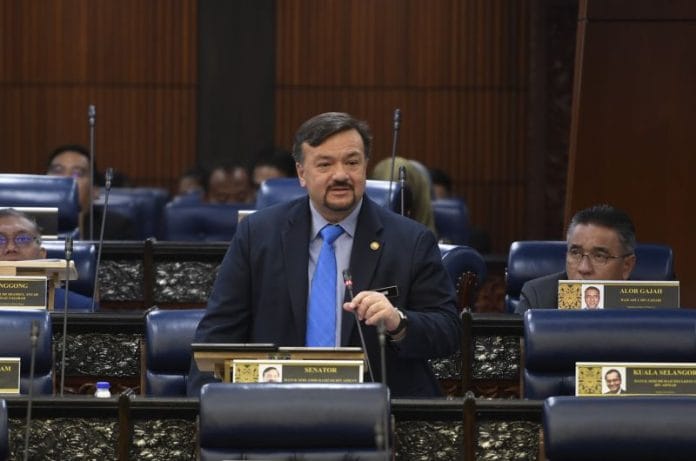
Malaysia is on track to reduce its fiscal deficit to 3.5% in 2026 as subsidy targeting and tax reforms continue to strengthen public finances, Finance Minister II Datuk Seri Amir Hamzah Azizan said.
During his winding-up speech on the royal address in Parliament, Amir Hamzah said the government has steadily reduced the deficit from 6.4% in 2021 to 4.1% in 2024, with the figure expected to reach 3.8% in 2025.
“The direction of fiscal consolidation is clearly set under the government’s economy framework and enshrined in the Fiscal Responsibility Act, including a medium-term deficit target of 3%,” he said.
He said subsidy targeting, particularly for electricity, diesel and RON95 petrol, has generated savings of RM15.5 billion, which were redirected towards targeted cash assistance, public facilities and cost-of-living support.
“These reforms are not meant to burden the people. They are carried out in stages to ensure fiscal discipline while continuing to support economic growth and rakyat welfare,” he said.
Amir Hamzah said Malaysia’s economy outperformed expectations in 2025 despite global uncertainty, with growth estimated at 4.9% following a strong fourth quarter, while total trade exceeded RM3 trillion for the first time.
He added that unemployment fell to 2.9% in November 2025, the lowest level in 11 years, while inflation remained low at around 1.4% despite ongoing fiscal reforms.
“Growth must translate into jobs, wages, controlled inflation and more targeted assistance,” he said.
Investor confidence has improved, with Malaysia climbing 11 places to 23rd in the IMD World Competitiveness Ranking, while the ringgit strengthened to RM3.92 against the US dollar in late January, its best level in nearly eight years.
Amir Hamzah also defended the use of MyKad-based subsidy targeting, citing the BUDI MADANI RON95 initiative as a way to reduce leakages and ensure subsidies reach eligible citizens.
Under Budget 2026, public spending totals RM470 billion, with development expenditure maintained above 4% of GDP as the government balances fiscal discipline with growth.