


Small and medium-sized businesses in Malaysia are under growing pressure to modernise, but for many, AI adoption is less about technological ambition and more about economic survival.
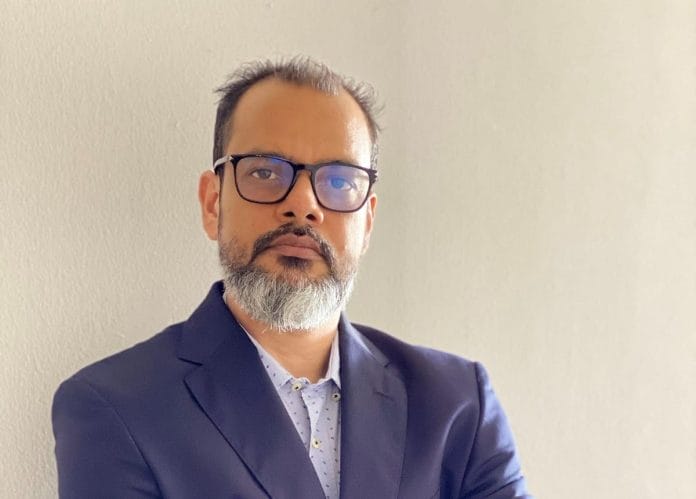
According to Executive Director, CAP & ANZ, Infrastructure Solutions Group, Lenovo, Kumar Mitra, the central issue facing SMBs is not whether AI matters, but how to adopt it without overstretching already tight budgets.
“Across Malaysia, SMBs recognise that AI and modern IT are no longer optional. They directly influence competitiveness, productivity and long-term growth,” he said in an exclusive email interview with BusinessToday.
However, rising operational costs, inflation and limited manpower have created friction. Many smaller businesses are attempting to upgrade ageing systems while exploring new digital tools, often without dedicated IT teams.
“What we see across the region is a clear tension. SMBs want immediate value from their technology investments, but they cannot afford complexity or large upfront commitments.”
From buying technology to building foundations
The shift in mindset, Mitra explained, is subtle but important. Rather than asking which AI tools to purchase, SMBs are increasingly asking how to build a foundation that allows gradual, sustainable modernisation.
Modern infrastructure has become more modular, reducing the need for fully customised systems. Pre-validated and ready-to-deploy solutions, now widely available across the market, can shorten implementation timelines and lower operational risk.
For smaller teams, this matters. Future-readiness is less about chasing the latest AI model and more about ensuring infrastructure can scale, adapt and support workloads as business needs evolve.
Making AI manageable
AI adoption often feels overwhelming because businesses assume it must begin with advanced models. In reality, practical use cases such as automated monitoring, real-time threat detection or data-driven customer insights can deliver measurable gains without heavy development costs.
Validated configurations and integrated management tools reduce guesswork and simplify deployment. For SMBs, the priority is operational clarity, minimising downtime and ensuring resilience.
Downtime, Mitra noted, can be devastating for smaller firms. Every hour offline affects revenue and customer trust. Strengthening resilience requires proactive protection, redundancy and fast recovery capabilities.
Importantly, cyber resilience today is not just an IT issue but a business continuity strategy.
Rethinking investment structures
High upfront capital expenditure remains one of the biggest barriers to IT modernisation. As a result, many SMBs are shifting towards operational expenditure models that align costs more closely with usage.
Consumption-based infrastructure models, increasingly adopted across the region, allow businesses to scale gradually without heavy financial commitments. This approach reduces investment risk and makes ROI easier to track over time.
In Malaysia, companies such as Microtree Sdn Bhd have adopted flexible IT consumption models to expand service offerings and shorten time-to-market, reflecting a broader trend among growth-oriented SMBs.
Measuring ROI in uncertain times
Financial risk and uncertain returns continue to be major concerns. Lenovo’s latest CIO research shows AI adoption is accelerating, with generative AI use expected to rise from 11% today to 42% next year.
Yet a confidence gap remains. While nine out of 10 AI adopters report that AI has met expectations, 37% of management teams remain sceptical.
For SMBs, the key to bridging that gap lies in tracking tangible metrics such as reduced downtime, faster deployment cycles and efficiency gains from automation. Early, visible improvements build confidence and justify further investment.
Preparing for the next wave
Looking ahead, Mitra believes three developments will shape the next three to five years for Malaysian SMBs: AI-driven workflow automation, the growth of edge computing for faster decision-making and AI-powered cybersecurity tools.
However, he cautions against rushing in.
“Start with a simple, secure foundation, and scale only when the business is ready.”
In a climate where margins are tight and uncertainty remains high, AI adoption for SMBs is ultimately an economic decision. The winners may not be those who move fastest, but those who modernise with discipline, clarity and a firm eye on return.


