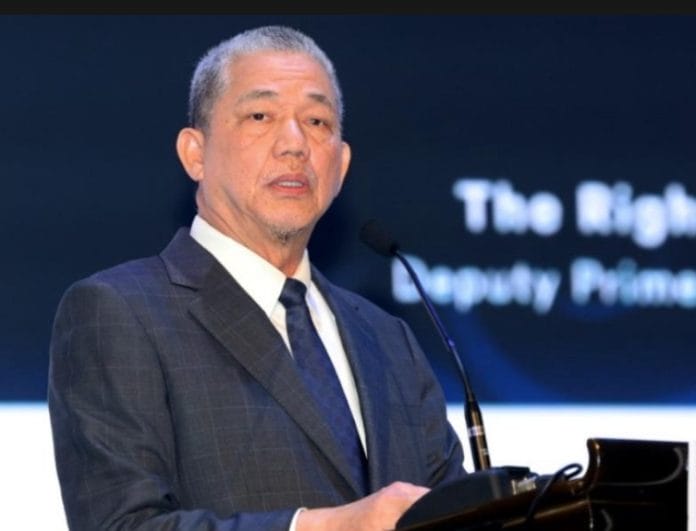
Malaysia is taking proactive steps to manage the impact of the global energy crisis following escalating tensions in West Asia, said Datuk Fadillah Yusof, Deputy Prime Minister and Minister of Energy Transition and Water Transformation (PETRA), during a briefing.
He noted that disruptions to strategic routes such as the Strait of Hormuz have increased global market uncertainty and driven oil prices higher, affecting open economies like Malaysia.
Despite these challenges, he stressed that the country remains under control, with petroleum supply sufficient and stable and contingency plans ready to source alternative supplies if disruptions persist.
To shield consumers and essential sectors, the government has maintained subsidised RON95 at RM1.99 per litre. Diesel support continues through targeted schemes, including BUDI Diesel for eligible drivers and subsidies for logistics operators, public transport and agri-commodity users. BUDI95 fuel allocations for e-hailing drivers are capped at 800 litres per month to keep operational costs manageable without passing them to consumers.
Energy-saving initiatives will also be introduced. Starting April 15, phased work-from-home arrangements for the public sector will reduce daily energy consumption and mobility congestion. Government buildings will implement minimum air-conditioning temperatures of 24°C, with staff encouraged to wear climate-appropriate clothing to reduce reliance on excessive cooling.
TPM2 emphasised that the government is engaging regularly with industry players to monitor supply chains and market conditions. Citizens and businesses are urged to use energy efficiently and avoid waste, as collective discipline and cooperation will be key to navigating the crisis.
“The government will continue providing regular updates and clear communication to ensure public confidence,” he said.
Fadillah concluded, “With coordinated effort, Malaysia will remain stable and resilient despite global energy pressures.”