Planning your next getaway with Earth Day in mind? Beyond reusable bottles and eco-hotels, there’s a deeper way to travel and connect with nature. In New Zealand’s North Island, Māori culture invites travellers to experience sustainability as a way of life rather than an experience.
Whakarewarewa
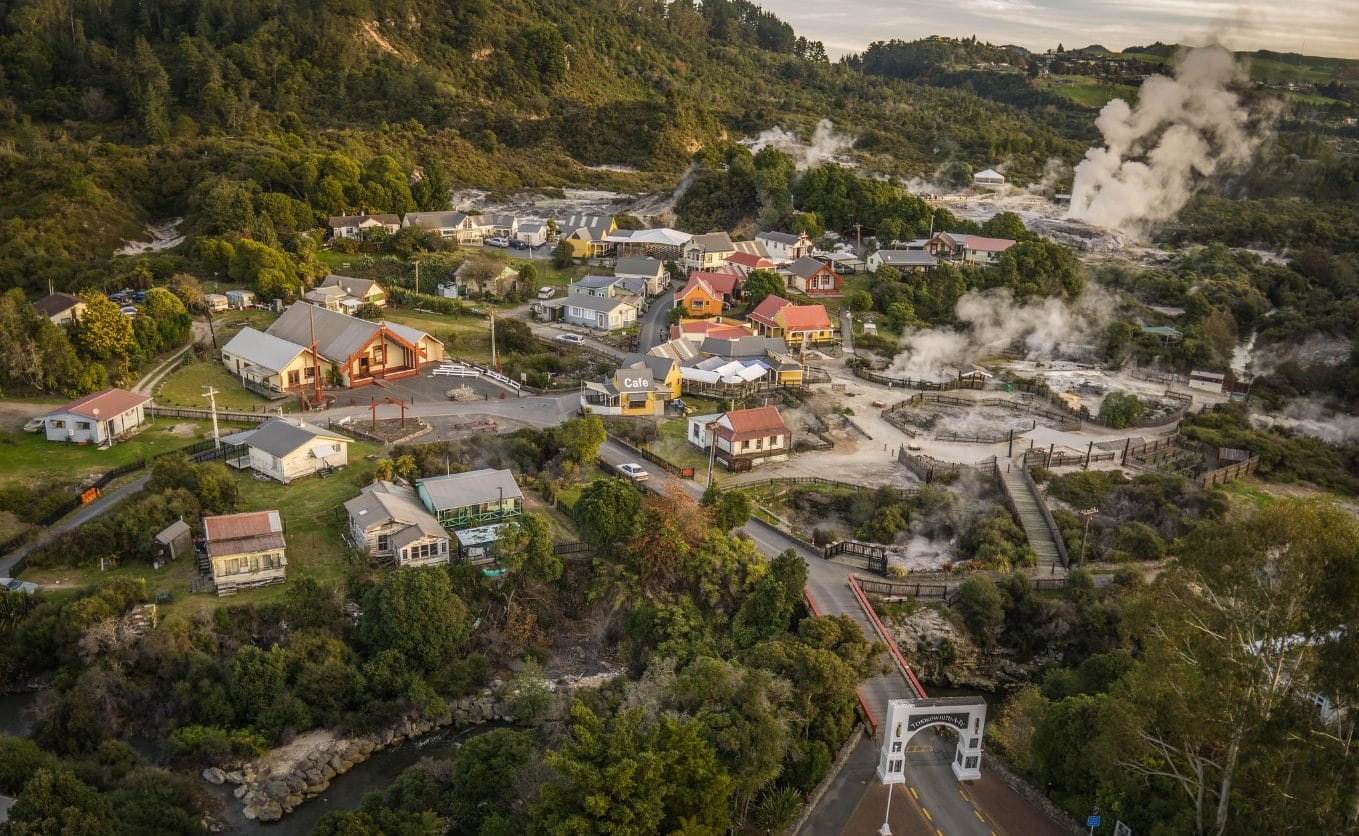
If you’re looking to see what that philosophy looks like in practice, Whakarewarewa – The Living Māori Village offers a clear and grounded example. Home to the Tūhourangi Ngāti Wāhiao people, the village has welcomed visitors for more than 200 years, sharing a way of life shaped by the surrounding geothermal landscape.
Steam vents are part of everyday life in the village. From cooking to bathing and heating, it’s a method that’s been passed through generations and still thrives today.
Visits also involve local guides who offer insight into values like kaitiakitanga (guardianship of the land) and manaakitanga (hospitality), and how they continue to influence the community’s livelihood today.
Kohutapu Lodge
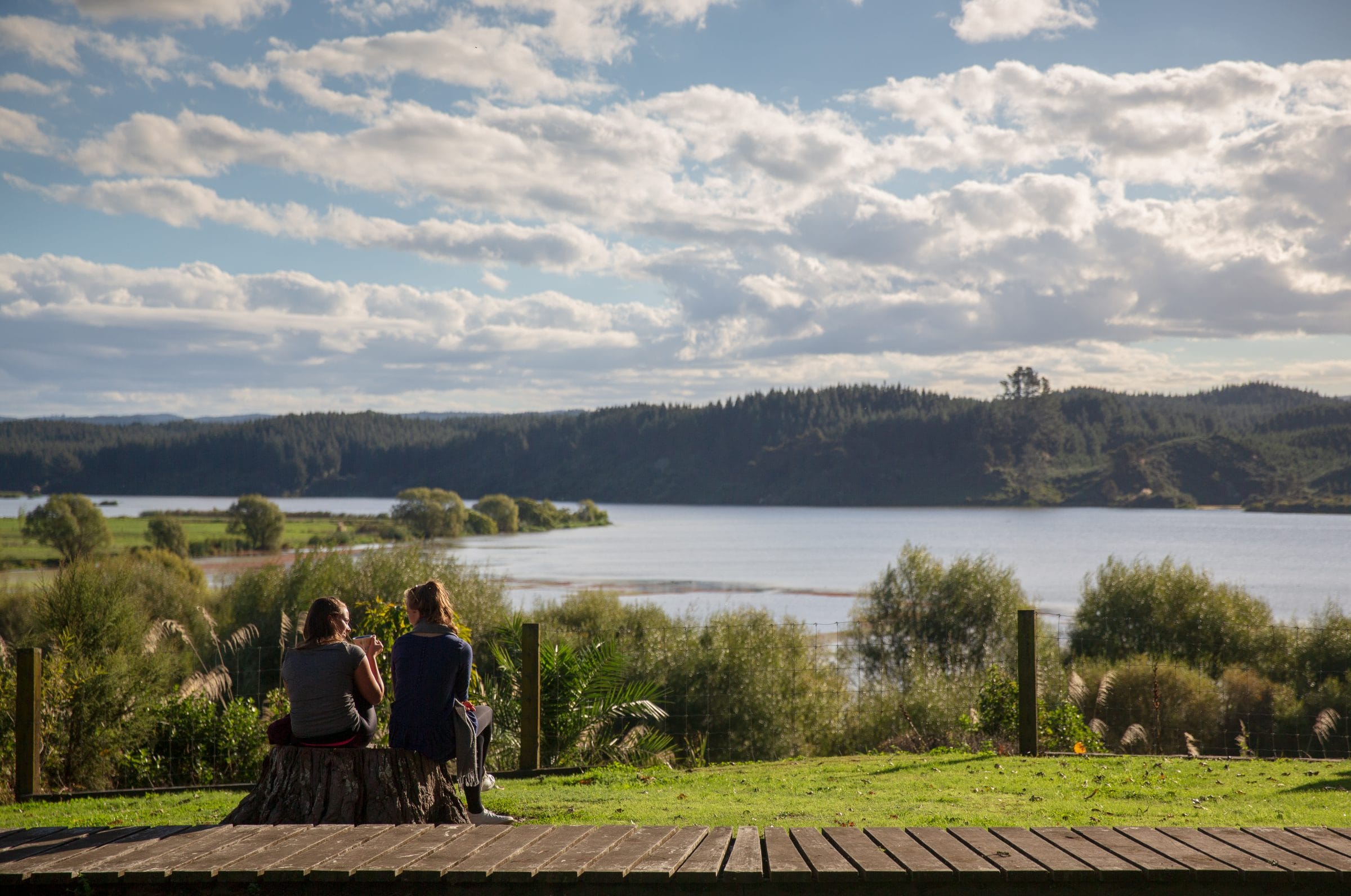
For travellers who want to take that connection a step further, Kohutapu Lodge offers an immersive way to experience Māori culture and sustainable living. Here, guests can experience the daily life in a family-run lodge that sits beside Lake Aniwhenua.
Whether you spend a few hours learning cultural practices, enjoy a traditional meal, or stay overnight with guided tours of tribal lands and forests, every activity highlights how people and nature can thrive together.
The lodge focuses on small groups, hands-on experiences, making for an ideal experience for travellers seeking both comfort and nature.
Wai Ariki Hot Springs & Spa
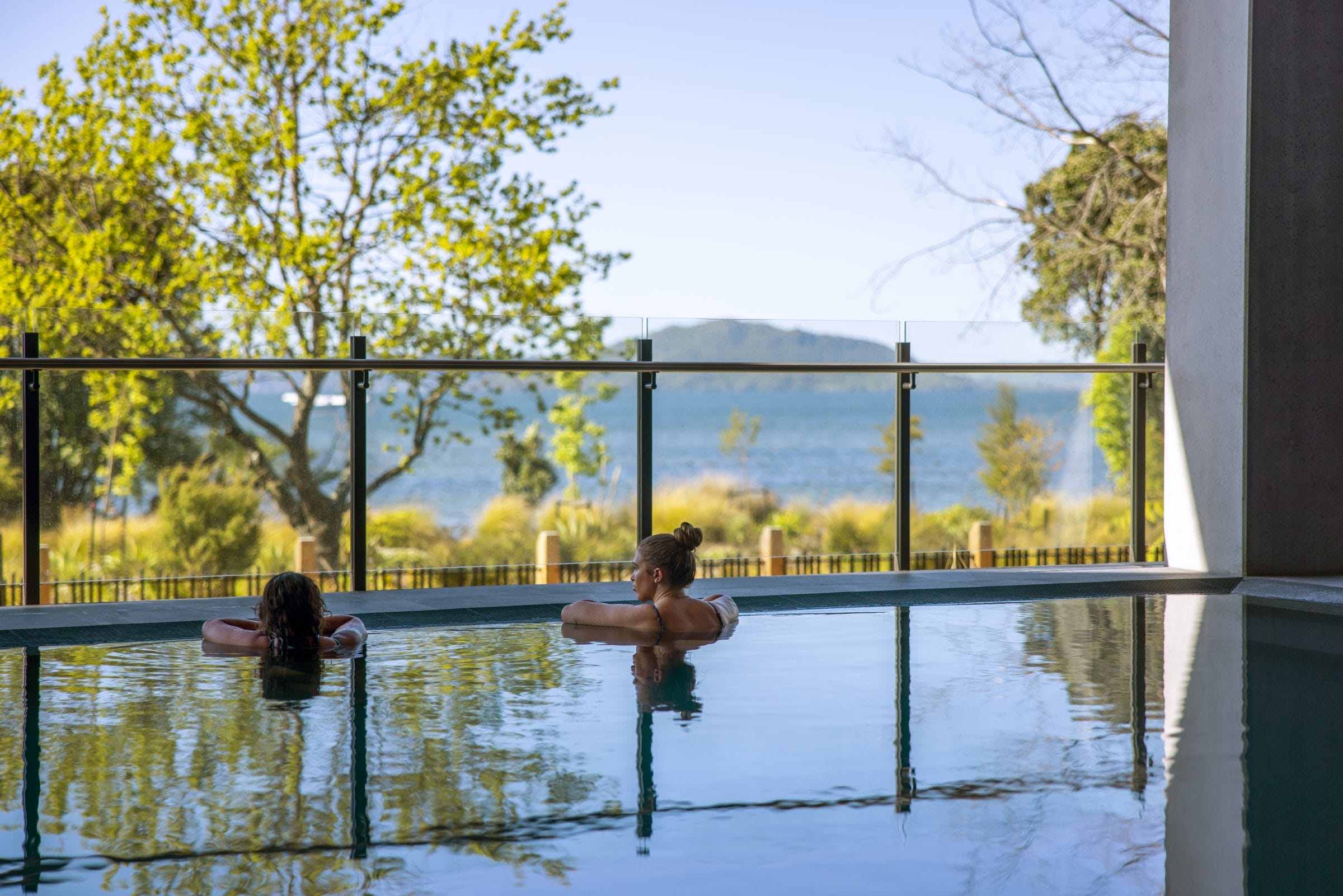
To round out the experience, Wai Ariki Hot Springs & Spa offers a more contemporary take on these same values. Set on the edge of Lake Rotorua, it’s a Māori-owned wellness space that draws on traditional healing practices while offering modern spa facilities.
Visitors move through a series of thermal pools, mud treatments, and steam experiences designed to support rest and recovery. Cultural elements are woven throughout, from the welcome to the structure of the treatments, creating a setting that feels both grounded in tradition and easy to engage with.
The National Kiwi Hatchery
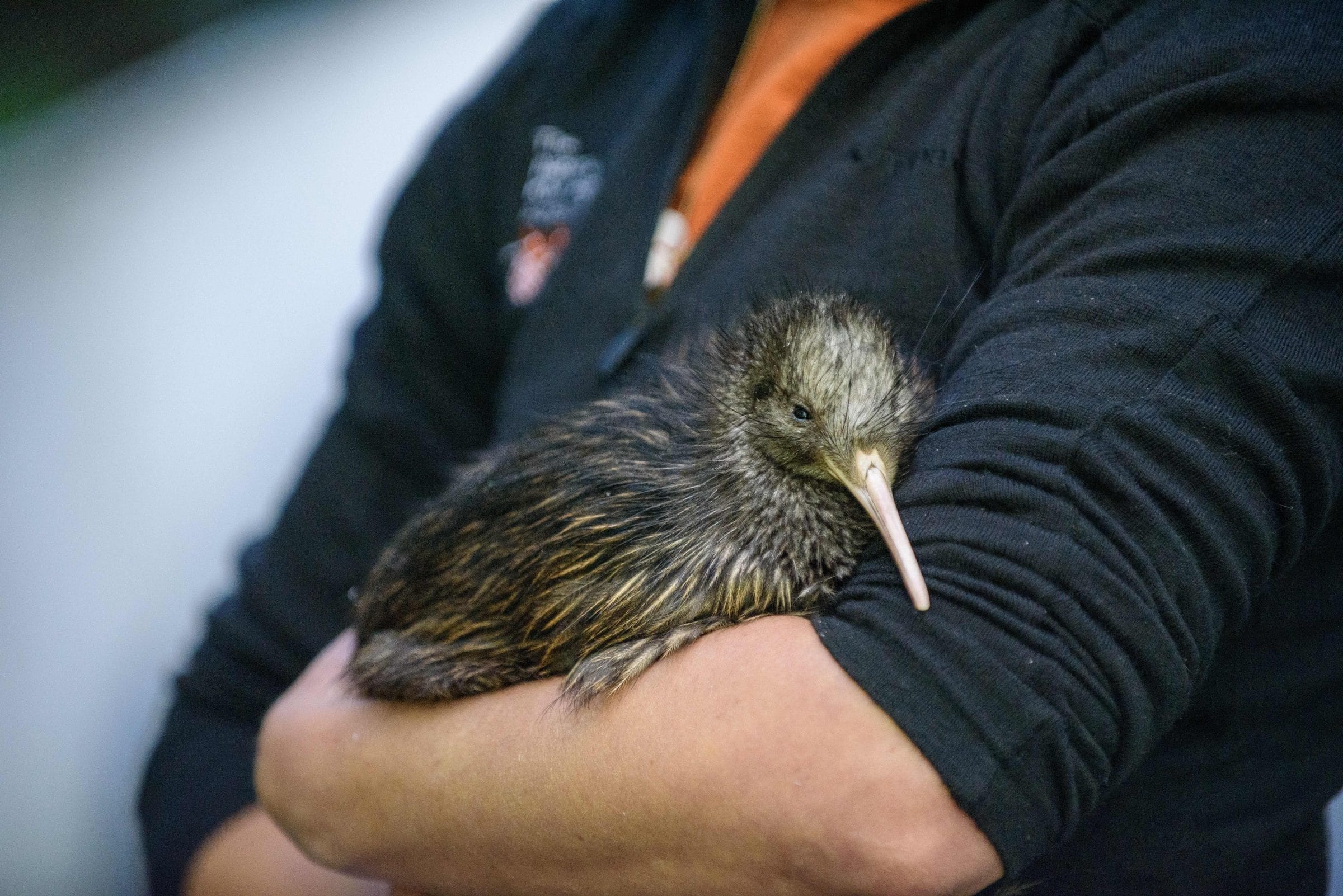
For a closer look at how conservation connects with culture, the National Kiwi Hatchery offers a meaningful stop. As the world’s leading kiwi conservation centre, it focuses on protecting one of New Zealand’s most iconic and vulnerable species. Visitors get a behind-the-scenes view of how kiwi eggs are carefully incubated, hatched, and raised, giving them a better chance of survival before being returned to the wild.
What makes the experience stand out is how it links scientific conservation with a broader sense of responsibility for the land and its wildlife.
The work here reflects a shared commitment to guardianship, where protecting the kiwi isn’t just about saving a species, but about preserving a part of New Zealand’s identity. It’s an accessible way to see how modern conservation efforts and cultural values can support each other in practice.
Smith & Sheth
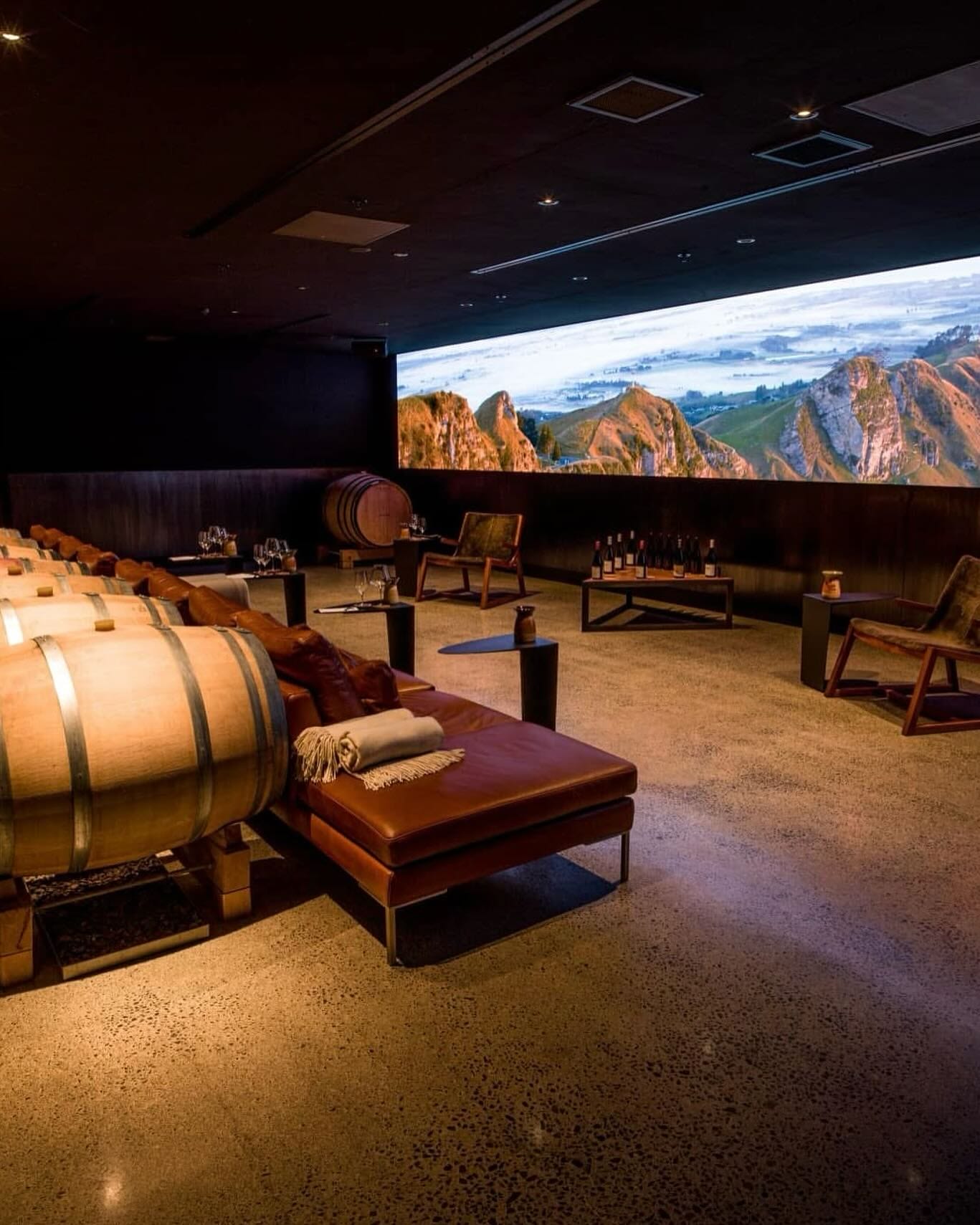
Last but definitely not least, Smith & Sheth offers a different way to connect with the land—through wine and storytelling.
Located in Hawke’s Bay, this wine library and tasting lounge goes beyond the usual tasting experience by focusing on the idea of Tūrangawaewae, or “a place to stand.” It’s about understanding where something comes from and why that place matters.
Each tasting is designed to highlight the relationship between people and whenua (land), with wines that reflect the regions they come from and the stories behind them.
Rather than just sampling different varieties, visitors are guided through how culture, landscape, and lineage shape what’s in the glass. It’s a simple but thoughtful way to experience Aotearoa’s wine culture while staying connected to the wider themes of identity and place.
From living villages to wellness spaces, conservation centres, and wine libraries, each stop adds a different layer to what it means to travel through Aotearoa. Together, they form a journey that is less about ticking off destinations and more about understanding place through people.