Bananas are doing more than filling snack shelves. Global demand is rising, with production at 135 to 139 million tonnes between 2022 and 2024 and projected to climb to 166 million tonnes by 2034. This growth is adding pressure on supply.
Across Asia, climate change, crop disease and land conversion are tightening availability and driving up costs, leaving smallholder farmers increasingly exposed.
Malaysia’s Production Outlook And Policy Response
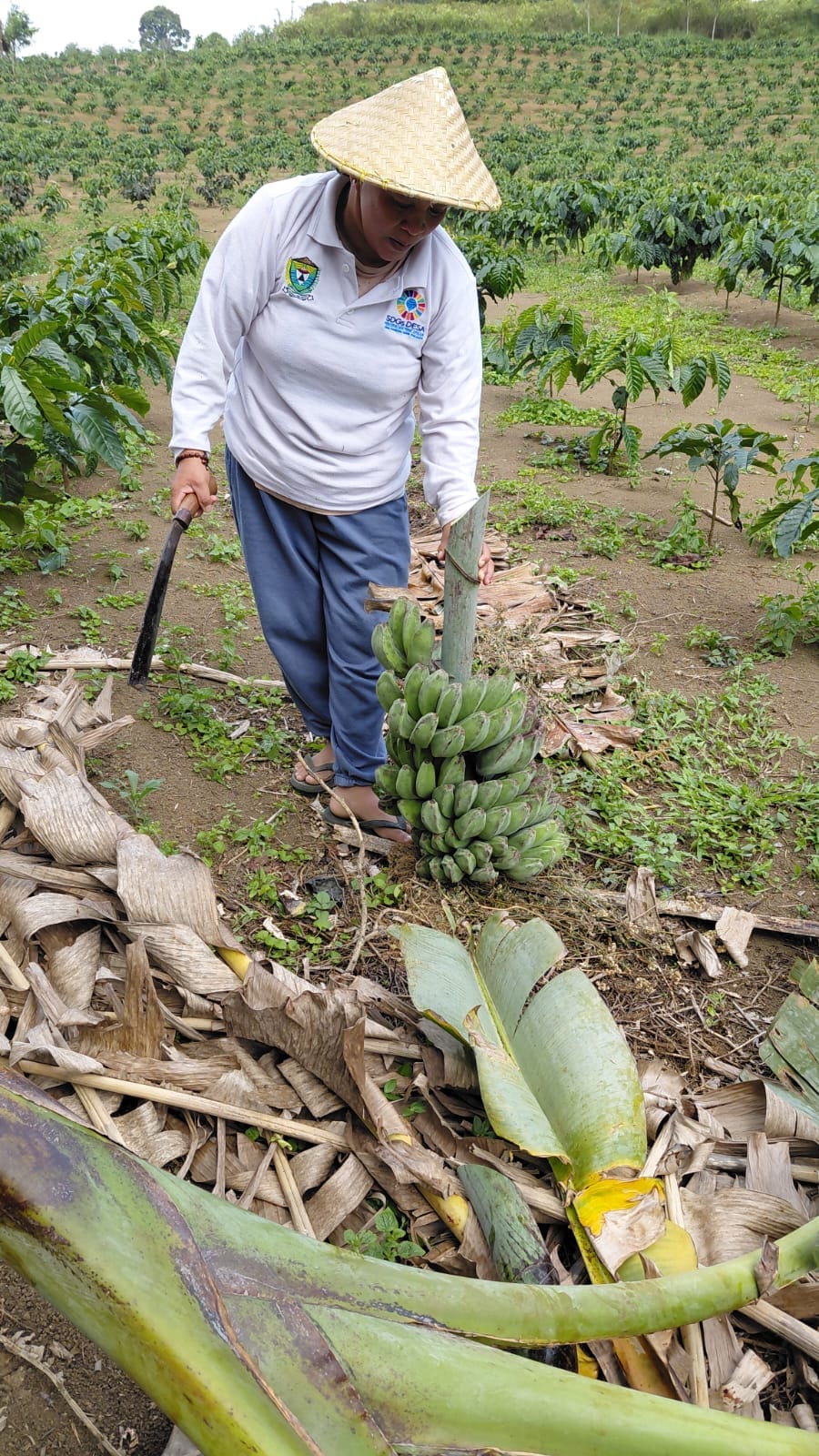
In Malaysia, bananas remain a key crop, with 313.9 thousand metric tonnes produced in 2024. That figure is expected to dip in the coming years. Varieties such as pisang berangan, pisang tanduk and pisang awak still anchor both fresh consumption and processed products like chips and flour.
To maintain a stable sector, national policy now focuses on disease-resistant planting methods, lower-emission farming and more resilient smallholder systems.
In South Sumatra, bananas are becoming part of a wider story. In Penyandingan Village, they sit at the centre of a community effort to protect the 43.7-hectare Ghimbe Pramunan Customary Forest while creating income for local women. The work is led by Anita Tasriah, who organises village women to safeguard the forest through long-standing customary practices.
The approach is hands-on. Women monitor river conditions, patrol forest trails, and keep track of resources such as bamboo, rattan and banana plants. Changes in water clarity, especially after heavy rain, can signal illegal activity upstream. These observations are reviewed regularly, with action taken to keep use within sustainable limits.
Women-Led Monitoring And Sustainable Resource Use
What started as conservation work has grown into a small but structured business. In 2023, a women’s group began producing banana-based products, turning a familiar kitchen activity into a source of income.
Simple homemade chips evolved into a branded product with support from a local organisation, improving consistency and helping the group manage production and sales while maintaining traditional methods.

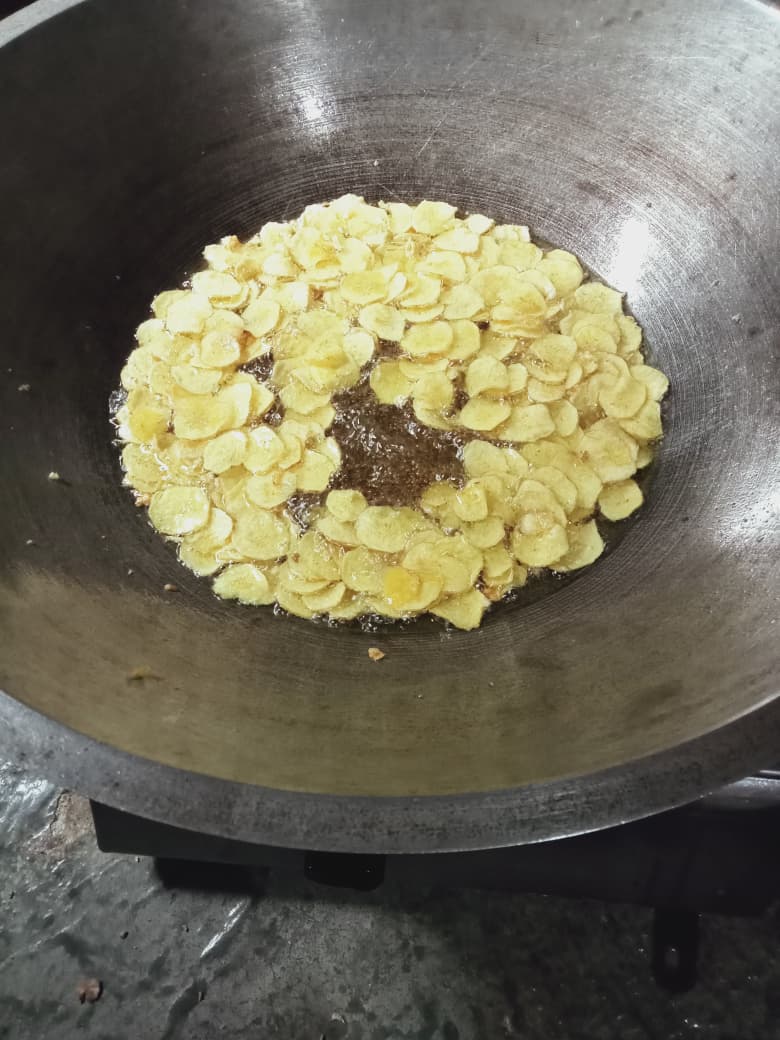
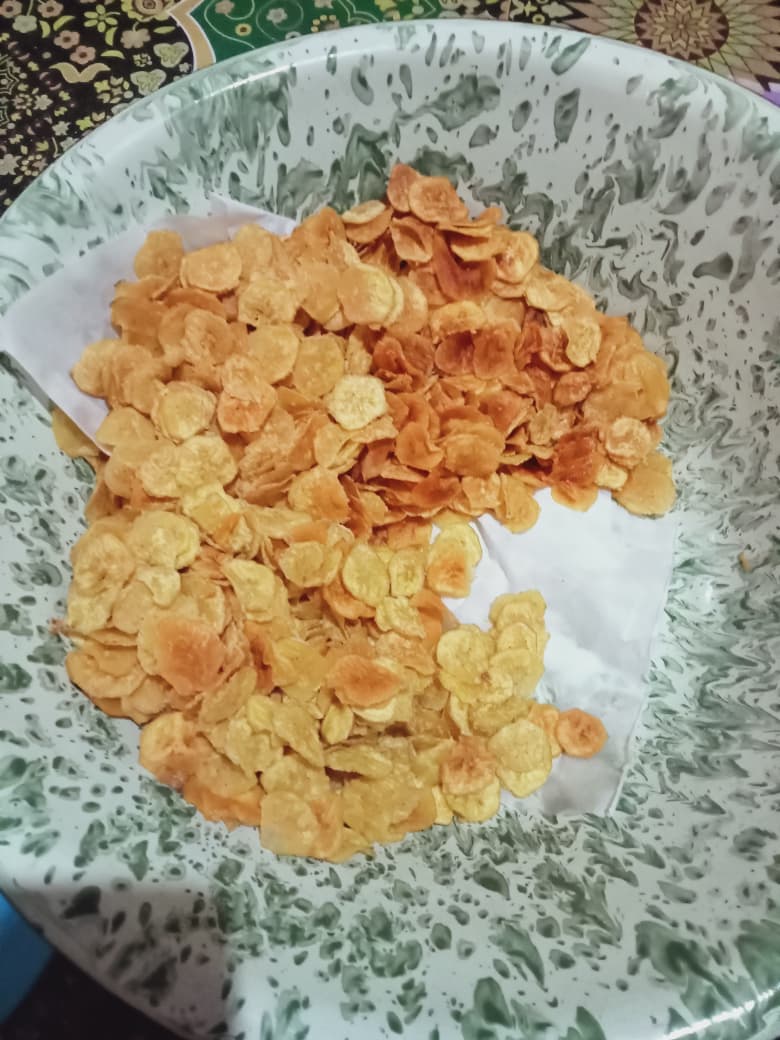
The results are already visible. Household incomes have edged up, more women are involved in decision-making, and around 100 banana trees have been planted within an agroforestry plot to secure supply and restore land. It is a working example of how environmental protection and local business can support each other without scaling beyond the community.
With World Banana Day on April 15 putting the spotlight on the fruit, this is a reminder of its wider role. In Penyandingan Village, bananas go beyond food. They support livelihoods, drive small-scale enterprise and help protect the forest, all through a model that is practical and already working.