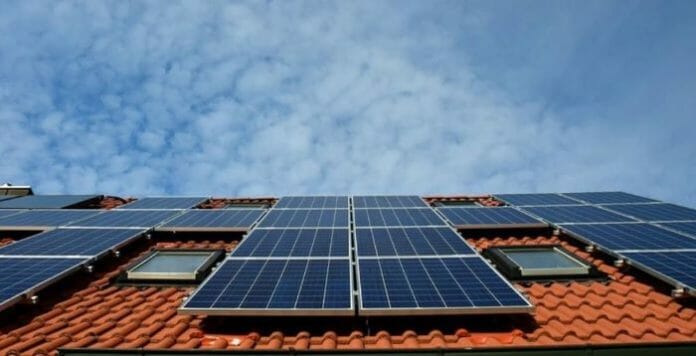
Malaysia is stepping up its push for rooftop solar adoption as part of efforts to shield households and businesses from rising uncertainty in global energy markets.
The Ministry of Energy Transition and Water Transformation (PETRA) said the Solar Accelerated Transition Action Programme (Solar ATAP), launched earlier this year, is designed to help users reduce exposure to volatile electricity costs driven by ongoing global energy disruptions.
The programme encourages both domestic and non-domestic users to install rooftop solar systems, allowing them to generate and consume their own electricity. Rather than direct cash incentives, the initiative focuses on lowering long-term energy costs through self-consumption and efficiency gains.
Under the scheme, users can also participate through solar leasing or rent-to-own models, which remove the need for upfront capital outlay. PETRA said this is intended to widen access to solar adoption, particularly among households and smaller businesses that may be constrained by initial installation costs.
Applications for Solar ATAP can be made through the Sustainable Energy Development Authority (SEDA) Malaysia, which also maintains a list of registered solar investors and service providers.
The government said the initiative is part of a broader strategy to strengthen energy resilience and reduce vulnerability to external shocks, particularly amid fluctuating fuel prices and supply uncertainties in the global market.
For larger electricity users in the medium, high and ultra-high voltage categories, PETRA said the Corporate Renewable Energy Supply Scheme (CRESS) remains an alternative to secure more stable and greener electricity supply over the long term.
The ministry also urged consumers to adopt energy-saving habits, including setting air-conditioning at 24°C, maintaining electrical appliances regularly, using 4 or 5-star rated equipment, switching off unused appliances and leveraging Time of Use tariffs for cost efficiency.
PETRA said these measures are aligned with Malaysia’s Energy Trilemma framework, balancing energy security, affordability and sustainability, while supporting the country’s broader climate and energy transition goals.