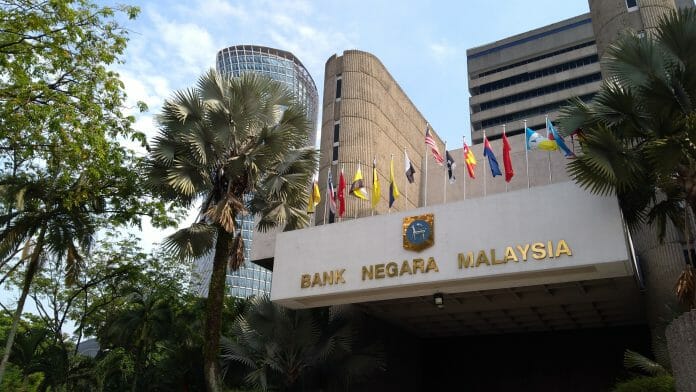
Bank Negara Malaysia’s (BNM) Monetary Policy Committee has decided to maintain the Overnight Policy Rate (OPR) at 2.75% at its meeting today, citing continued growth resilience alongside rising global uncertainties linked to the Middle East conflict.
The central bank said global growth remained steady in the first quarter of 2026, supported by domestic demand and ongoing expansion in the technology sector. However, it warned that higher energy and commodity prices alongside supply chain disruptions from the conflict are beginning to weigh on momentum.
It added that downside risks to global growth remain elevated due to uncertainty over the duration and severity of the conflict, tighter financial conditions and concerns over financial market valuations. Potential upside risks include de-escalation of tensions, stronger technology spending and supportive policy measures in major economies.
For Malaysia, BNM said early indicators point to sustained growth momentum driven by strong domestic demand and export performance. It noted that employment and wage growth together with policy measures are expected to continue supporting household spending.
Investment activity is also expected to be underpinned by multi-year infrastructure projects, ongoing public sector developments and the realisation of approved investments. The external sector is likely to benefit from continued strength in electrical and electronics exports, while tourism spending is expected to remain firm but at a more moderate pace.
Headline inflation averaged 1.6% in the first quarter of 2026 while core inflation stood at 2.1%. BNM said inflation may edge higher due to rising global commodity prices but expects overall price pressures to remain contained, supported by domestic policy measures and stable demand conditions.
The central bank said the monetary policy stance remains appropriate at current levels, balancing price stability with sustainable economic growth. It added that it will remain vigilant to developments in the Middle East and reassess risks to both inflation and growth outlook as conditions evolve.