


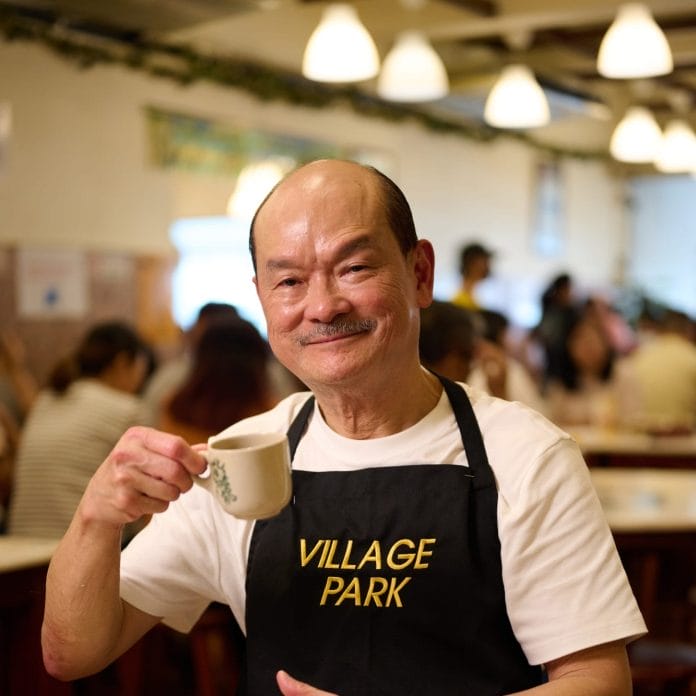
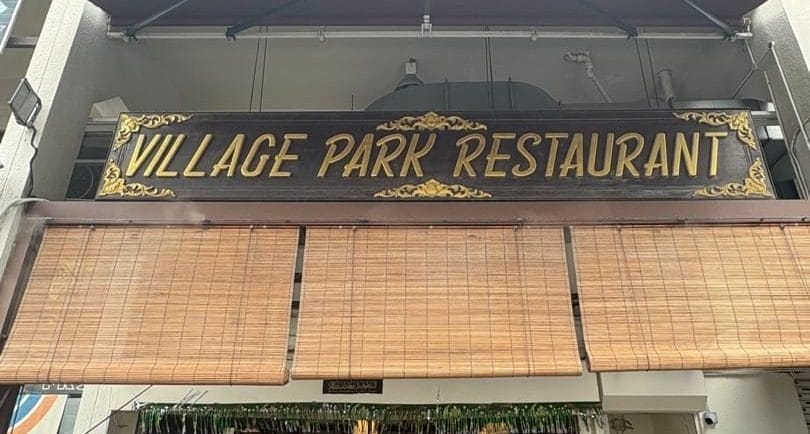
Since opening in 2002, Village Park Restaurant has grown from a modest neighbourhood eatery into one of Malaysia’s most recognisable nasi lemak destinations, drawing thousands of customers daily for what many consider a benchmark plate of the national dish.
Behind it is Datuk Seri Dr Mohd Shamil Ngoh Abdullah, a founder whose journey began far from the F&B world. Before Village Park, he ran an independent music company in Singapore, an experience he said shaped his discipline and long-term approach to business.
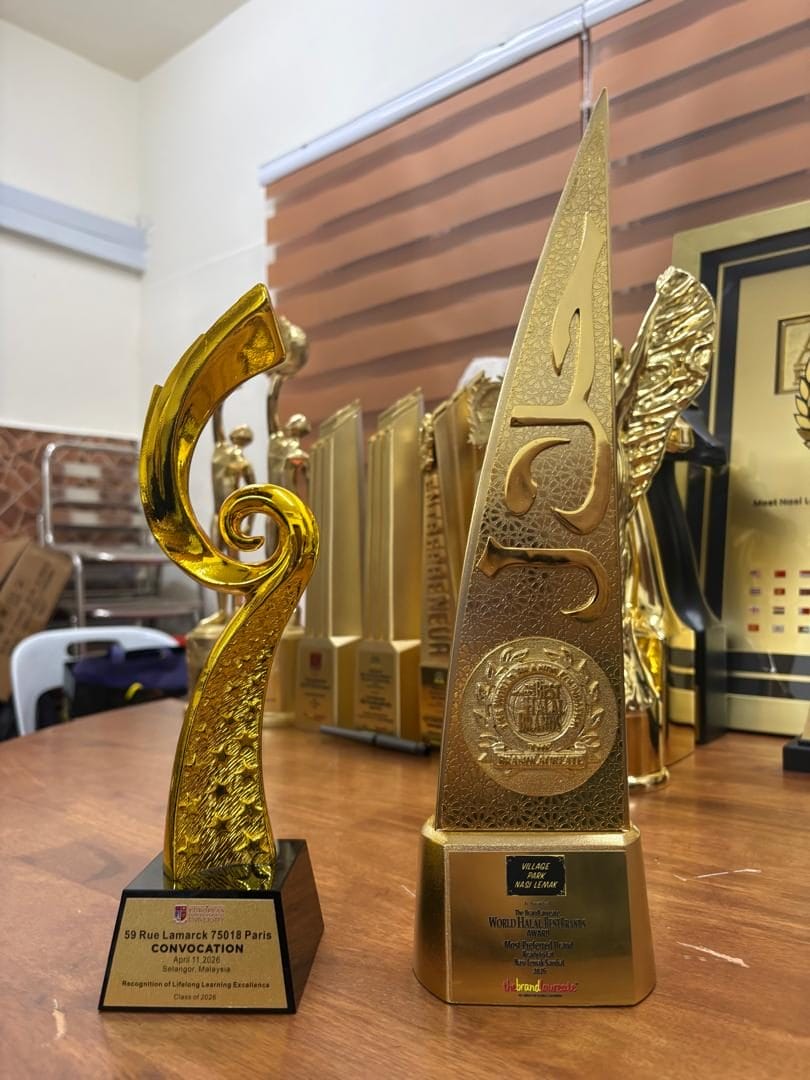
Today, his name carries a new academic recognition as well, having recently received the Recognition of Lifelong Learning Excellence and a Professional Doctorate in Business Administration at the EIU-Paris Convocation 2026.
But even with formal recognition added to his name, Shamil said his focus remains unchanged: the kitchen.
Built on a simple goal: consistency
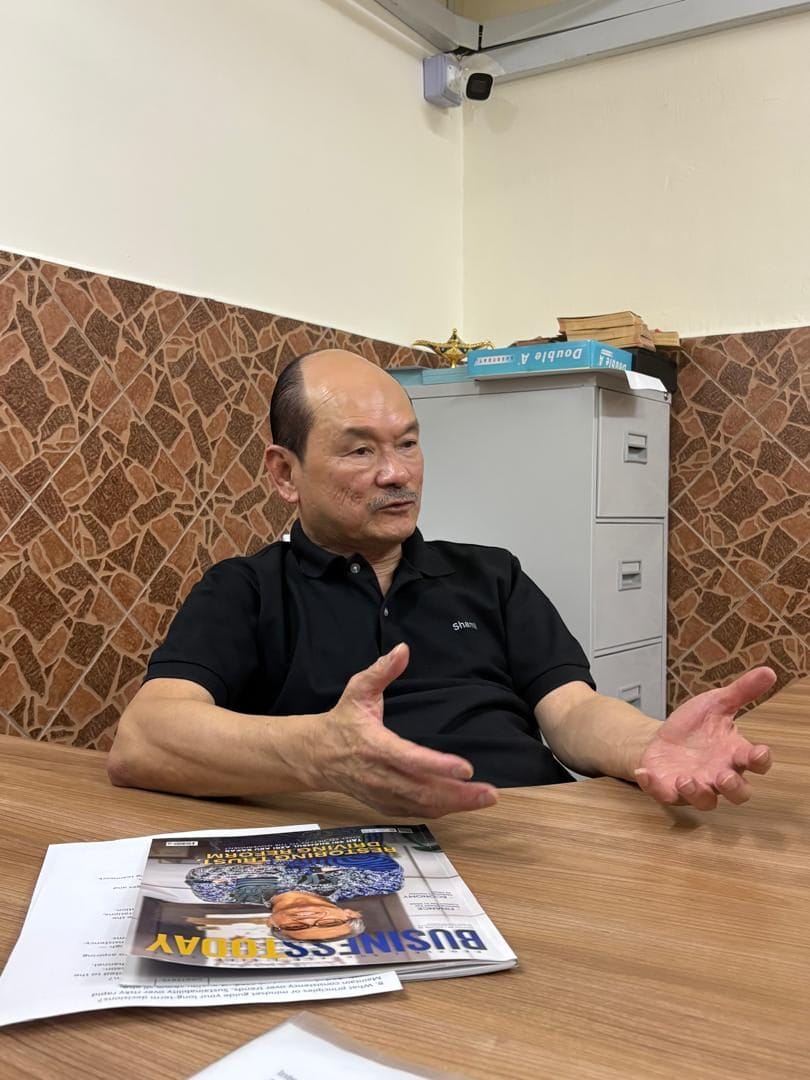
In an exclusive interview with BusinessToday, Shamil said Village Park began with a straightforward intention.
“We started small with a simple goal — to serve delicious, authentic and consistent nasi lemak,” he said.
“Nasi lemak is Malaysia’s national dish. It has universal appeal, strong daily demand, and reminds us of home.”
He said the business was never meant to become a national brand.
“We started with the hope to build a stable neighbourhood business,” he said. “The recognition today exceeded our expectations. It grew organically through word of mouth and customer loyalty.”
Why customers keep coming back
For Shamil, the answer lies in discipline rather than branding.
“Consistency, quality ingredients, and focus,” he said.
“We never compromised on taste and good ingredients. Customers trust that every plate tastes the same, every time they return to our restaurant.”
That consistency has driven steady growth from humble beginnings.
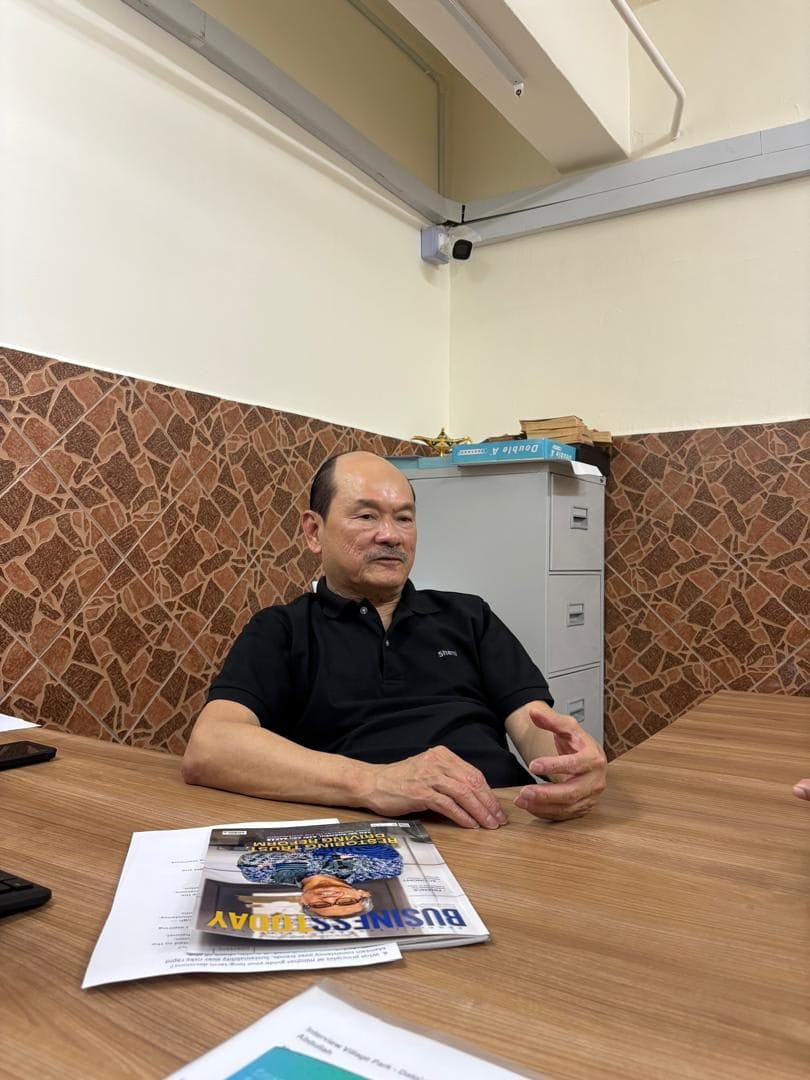
“We started with a modest capital,” he said. “Today, our turnover has grown steadily due to high daily volume and strong brand reputation.”
A single outlet by design
Despite its popularity, Village Park has remained a single outlet for more than two decades.
“Our priority has always been control, quality and consistency,” Shamil said.
That principle also extends to how the business is structured today.
Why no expansion, IPO or investors
Shamil has consistently rejected external funding and expansion opportunities, even as interest in the brand has grown over the years.
“Our focus has always been stability and quality control, not rapid scaling or chasing investor returns,” he said.
He confirmed that investors have approached him multiple times, offering capital and expansion opportunities, but he declined.
“Investors did come and ask for stakes or chances to invest more,” he said. “But we declined.”
For him, staying small is not hesitation, but a deliberate operational choice.
Still in the kitchen every day
Unlike many founders who step away after success, Shamil remains deeply involved in operations.
He still cooks key components of the menu himself.
“The sambal, I still cook it myself,” he said.
Even dishes like rendang and squid remain under his direct preparation.
“The rendang and squid are cooked fully by myself,” he added.
He said this level of involvement would be impossible to maintain with multiple outlets.


From RM2,000 beginnings to millions in turnover
Village Park’s growth has been steady rather than explosive.
Shamil said early turnover was around RM2,000 when the business first started. Today, it has grown to between RM2 million and RM3 million in daily-driven volume over time.
Despite this, the structure remains unchanged: one outlet, one kitchen and one tightly controlled system.
Covid pivot and Grab partnership
During the Covid-19 pandemic, the business adapted quickly by leaning into delivery platforms such as Grab Malaysia.
“Grab expanded our reach through delivery, especially during Covid,” he said.
He added that the experience reinforced a key lesson.
“Stay open and adaptable, and don’t rely on a single sales channel,” he said.
Shangri-La collaboration and global exposure
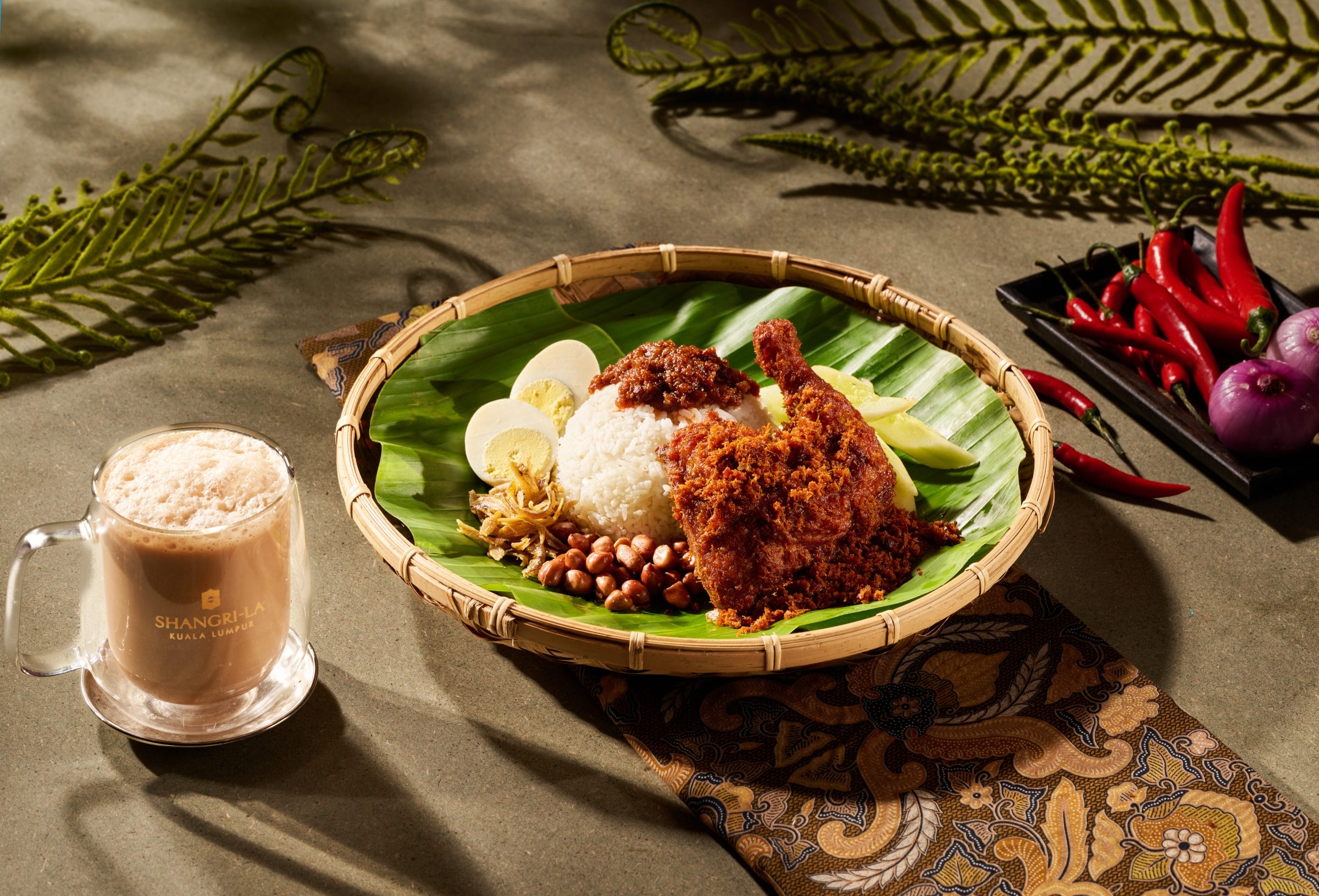
Village Park also partnered with Shangri-La Kuala Lumpur, bringing its nasi lemak into a premium hospitality setting.
The collaboration introduced the dish to international visitors and positioned it within Malaysia’s broader culinary heritage narrative.
Despite strong demand, Shamil said the business continues to face rising costs, including logistics, wages and imported ingredients such as Australian meat and Korean squid.
Even packaging costs have become a burden.
“Plastic prices are high and that really hurts the business,” he said.
Still, Village Park has avoided significant price increases to maintain accessibility.
“We want customers to still be able to afford it,” he added.
Advice to entrepreneurs
Shamil said F&B success requires discipline, not just passion.
“It’s a very competitive business with thin margins,” he said.
“Passion alone is not enough — you need perseverance, discipline and consistency.”
His advice is simple.
“Start small, master your product, and scale only when systems are strong.”
Technology supports, but does not define
While Village Park operates traditionally, Shamil said technology is still important but should remain secondary.
“Technology is important, but it should support and enhance the business — not replace fundamentals,” he said.
“Strong product, operations and service come first. Technology is a tool, not the foundation.”
On manpower, Shamil said the business relies largely on foreign workers, which comes with both challenges and advantages.
Challenges include training, communication and retention, while advantages include willingness to work long hours and strong teamwork once properly trained.
A recognised legacy, but unchanged mindset
With his recent recognition at the EIU-Paris Convocation 2026 and the addition of a professional doctorate title, Shamil said he remains grounded in the same philosophy that built Village Park.
To remain a household name for nasi lemak in Malaysia: sustainable, consistent and respected for quality.
And despite academic recognition, investor attention and decades of commercial success, his business philosophy has not changed.
Control, consistency and a single kitchen remain at the heart of it all.


