


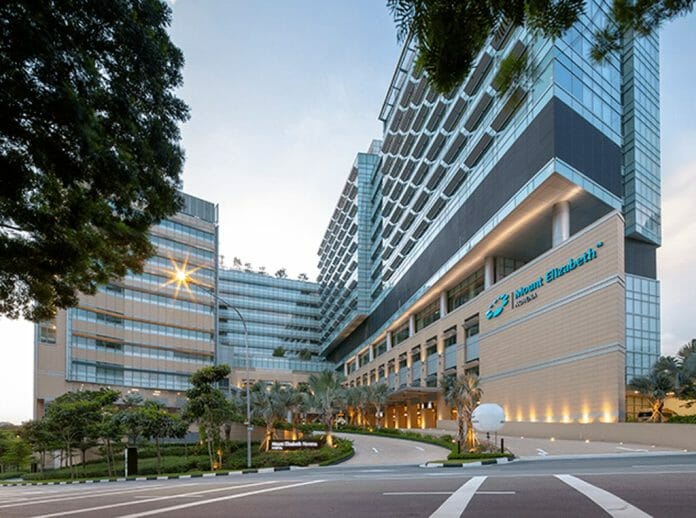
The proposed healthcare budget adjustments could reshape the country’s healthcare landscape, creating significant risks for the public healthcare system while potentially benefiting private healthcare providers and local pharmaceutical players, according to MBSB Investment Bank Research.
In its latest sector thematic report, MBSB Research said the government’s move to reduce expenditure comes amid heightened fiscal pressures, particularly from rising global energy prices and the growing cost of fuel subsidies. However, the sustainability of healthcare-related cuts remains a key concern as the public healthcare system is already operating under capacity constraints.
The research noted that while administrative cost-cutting measures such as reducing official travel, scaling down government events, improving energy efficiency and accelerating digitalisation could deliver immediate savings, deeper operational reductions could risk weakening essential healthcare delivery.
Among the proposed measures discussed were restrictions on government travel, energy-saving initiatives and greater reliance on digital processes, which could reduce administrative spending and support sustainability goals. However, MBSB cautioned that excessive cuts could affect institutional effectiveness and create operational challenges.
Public healthcare faces mounting pressure
MBSB highlighted that Malaysia’s public healthcare system is already facing shortages in manpower, particularly among specialist doctors. Further constraints on staffing, overtime and operational capacity could worsen waiting times, increase workload pressures and heighten the risk of talent outflow to private healthcare providers or overseas markets.
The research pointed out that Malaysia’s public healthcare workforce includes approximately 46,000 doctors under the Health Ministry, with medical personnel forming a significant portion of the civil service workforce. Any broad-based compensation adjustments could disproportionately affect healthcare workers due to their specialised allowances and operational requirements.
MBSB warned that salary-related measures could accelerate the migration of medical professionals, particularly given existing concerns over burnout, career progression and shortages of specialists.
Alternative solutions needed
Instead of relying solely on spending cuts, MBSB highlighted alternative approaches including better-targeted subsidies through the Central Database Hub (PADU), as well as corrective taxes on products associated with health and social costs.
The report noted that higher excise taxes on tobacco products could potentially generate substantial government revenue while supporting public health objectives. It also pointed to possible fiscal measures involving nicotine products, sugar-sweetened beverages, alcohol, ultra-processed foods, pollution and other harmful activities.
Private healthcare and pharmaceutical sector may benefit
While public healthcare could face structural challenges, MBSB believes the private healthcare sector may see stronger demand as patients seek alternatives amid longer waiting times and capacity constraints.
The research identified IHH Healthcare Berhad as one of the companies positioned to benefit, given its extensive hospital network and ability to capture demand from patients shifting away from public facilities. MBSB maintained a BUY recommendation on IHH with a target price of RM10.18.
Meanwhile, Pharmaniaga Berhad could benefit from government efforts to prioritise lower-cost generic medicines and reduce reliance on imported branded drugs. MBSB maintained a BUY recommendation with a target price of RM1.44, citing the company’s domestic manufacturing capabilities and healthcare logistics network.
Three possible scenarios ahead
MBSB outlined three potential outcomes for the sector.
Under a worst-case scenario, aggressive operational cuts could weaken public healthcare capacity, triggering public backlash and possible government intervention in the private healthcare sector through measures such as price controls.
The base-case scenario sees the government maintaining spending discipline while reversing some critical frontline constraints. This could lead to longer public hospital waiting times but potentially stronger private healthcare demand.
The best-case scenario would involve alternative revenue measures, targeted subsidy reforms and stronger healthcare investment, allowing both public and private healthcare systems to develop sustainably.
MBSB concluded that Malaysia’s healthcare sector faces a “double-edged sword” following the proposed budget adjustments. While the measures could accelerate digital transformation, efficiency improvements and greater adoption of local generic medicines, stakeholders must prepare for potential operational bottlenecks and rising demand for private healthcare services.
MBSB maintained a positive view on the healthcare sector, with IHH Healthcare and Pharmaniaga as its preferred picks.

