


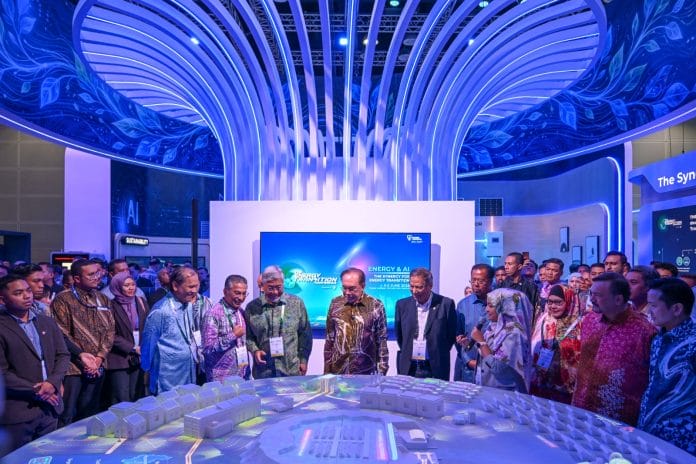
Malaysia’s energy transition is entering a defining phase in 2026. As demand grows among investors, regulators and multinational corporations for cleaner energy adoption, renewable energy (RE) is no longer viewed as a supplementary option, but an economic necessity tied directly to competitiveness, investment attraction and long-term sustainability.
At the centre of this shift is the rapid scaling of large-scale solar (LSS), which has evolved from a niche generation segment into one of the country’s core pillars in achieving its Net Zero 2050 aspirations.
Driving this transformation is Tenaga Nasional Bhd (TNB), which is positioning itself not merely as an electricity provider but as a system architect enabling Malaysia’s broader energy transition ecosystem.
2026: A Pivotal Year For Malaysia’s Energy Transition
Malaysia’s commitment to achieving net zero emissions by 2050 under the National Energy Transition Roadmap (NETR) has accelerated the urgency to scale RE deployment across industries.
The government has set ambitious targets to raise RE capacity while ensuring energy security, affordability and grid reliability remain intact. This comes amid rising ESG expectations from international investors, supply chain partners and export markets, particularly for Malaysian manufacturers serving global customers with decarbonisation requirements.
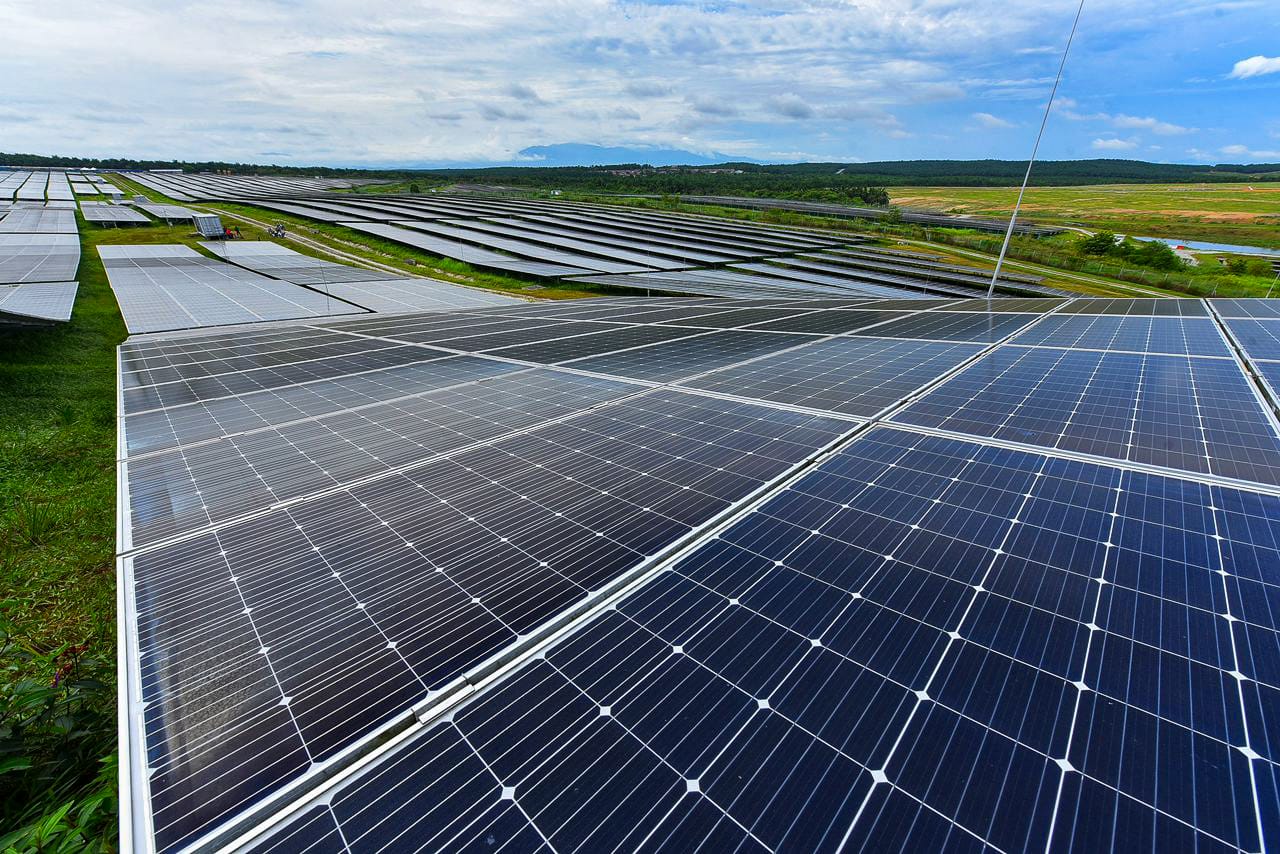
Against this backdrop, the Energy Commission’s LSS programmes, including LSS5 and LSS5+, have emerged as major catalysts for utility-scale RE deployment.
The transition is increasingly being supported by hybrid infrastructure models such as ground mounted solar projects and Hybrid Hydro Floating Solar (HHFS), allowing Malaysia to optimise land use while improving renewable generation efficiency.
For TNB, the shift represents more than generation expansion. It reflects the need to build an integrated energy ecosystem capable of supporting large-scale renewable adoption while maintaining national grid stability. Owing to this commitment, TNB has built up 4.3 gigawatts (GW) of installed RE capacity, accounting for more than one-third of Malaysia’s total RE capacity last year.
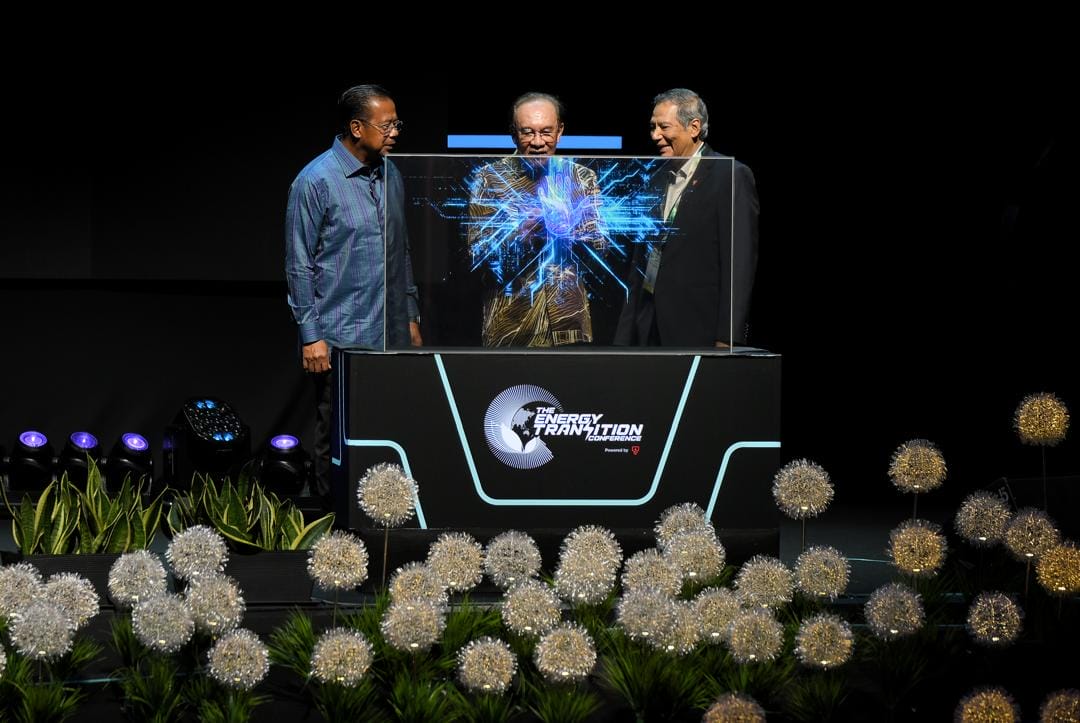
This vision was further highlighted during the recently concluded Energy Transition Conference 2026 (ETCon26), where several landmark initiatives showcased how Malaysia’s energy transition is moving from policy ambition to project execution. Among the developments announced were RE supply agreements, large-scale battery storage projects and next-generation solar developments that demonstrate the growing sophistication of the country’s clean energy ecosystem.
LSS Moves Mainstream
Over the past decade, Malaysia’s solar sector has undergone a dramatic transformation. What was once dominated by smaller distributed rooftop systems has steadily expanded into utility-scale projects capable of supplying significant capacity to the national grid.
The LSS programme has become one of the key mechanisms driving this growth, attracting participation from energy developers, infrastructure players and institutional investors.
As solar penetration increases, TNB’s role has expanded beyond project participation into enabling the supporting infrastructure required for long-term scalability.
This includes investments in transmission and distribution upgrades, grid modernisation and digital system planning to accommodate the intermittency associated with RE sources.
The utility giant is also involved in advancing utility-scale projects that support the country’s broader decarbonisation agenda while strengthening national energy resilience.
Examples highlighted at ETCon26 include the HHFS project at Kenyir, which combines 785MWp of floating solar generation with a 1,190MWh Battery Energy Storage System (BESS). The project is set to become the largest of its kind in Southeast Asia, demonstrating how solar generation and storage can work together to maximise RE output while enhancing system stability.
TNB also exchanged Joint Venture Head of Terms with SME Consortium for the development of a 750MWp ground-mounted solar project paired with a 1,000MWh BESS, further illustrating the industry’s shift towards integrated RE solutions.
Importantly, LSS is no longer viewed solely as an environmental initiative. It is increasingly seen as an economic enabler capable of attracting green investments, supporting industrial competitiveness and positioning Malaysia as a regional RE hub.
RE For All Businesses
As corporate demand for green electricity rises, businesses are seeking practical and scalable pathways to decarbonise operations without compromising operational reliability.
TNB has increasingly focused on enabling this transition through a range of customer-focused RE solutions.
Among them is the Green Electricity Tariff (GET), which allows businesses to match electricity consumption with internationally accredited Malaysia RE Certificates, supporting sustainability commitments and ESG reporting requirements.
Bundled into a single electricity bill, GET enables customers to obtain green electricity at a lower premium rate through exemptions from the Automatic Fuel Adjustment and Kumpulan Wang Tenaga Boleh Baharu charges, helping to mitigate rising global fuel prices affected by the Middle East situation. However, GET subscriptions remain subject to quota availability, with less than 40% of the current quota remaining.
Apart from that, the Corporate RE Supply Scheme (CRESS) further expands options for corporations seeking direct access to RE generation.
The growing importance of CRESS was evident at ETCon26, where TNB and DayOne, a Singapore-headquartered global digital infrastructure platform, formalised a Bilateral Energy Supply Contract (BESC) under the scheme. The agreement will support RE supply for AI and data centre operations, reflecting the increasing convergence between digital infrastructure growth and clean energy demand.
At the same time, initiatives such as the Solar Accelerated Transition Action Programme continue to accelerate rooftop solar adoption among commercial and industrial users, while the Malaysian Green Attribute Trading System supports the trading of RE certificates.
Beyond solar generation, TNB is also strengthening adjacent energy transition infrastructure through electric vehicle (EV) ecosystem development and Battery Energy Storage System integration.
TNB has streamlined the deployment of EV charging infrastructure through initiatives such as the EV Green Lane, enabling faster electricity supply connections for charging stations and helping accelerate the development of a nationwide EV ecosystem. TNB to date has installed 264 EV charge points nationwide, further providing convenience and reducing range anxiety among EV users.
Collectively, these initiatives position TNB as a scalable and bankable partner for businesses navigating increasingly complex sustainability obligations.
Grid Readiness, The Real Enabler
While RE deployment often captures public attention, the success of Malaysia’s energy transition ultimately depends on grid readiness.
As solar penetration rises, ensuring system reliability, stability and power quality becomes increasingly critical.
Unlike conventional generation, solar energy is intermittent by nature, requiring more sophisticated balancing mechanisms and stronger network infrastructure.
This is where TNB’s broader role as a grid operator becomes central to the transition process. With strong support from the Malaysian Government, TNB is set to invest RM43 billion under the Regulatory Period 4 towards modernising the national grid.
The utility continues investing heavily in transmission and distribution upgrades, digitalisation and advanced system planning to ensure renewable integration can occur without compromising reliability.
Battery storage technologies are also becoming increasingly important in helping stabilise supply fluctuations while improving energy dispatch flexibility.
One notable milestone announced at ETCon26 was the recognition of TNB’s BESS Santong project in Terengganu as Malaysia’s first grid-forming, grid-connected Battery Energy Storage System project. The achievement highlights the growing role of advanced storage technologies in strengthening grid resilience and supporting higher RE penetration.
Digital grid management systems, predictive analytics and smart infrastructure are expected to play a larger role as Malaysia moves toward a more decentralised and renewable-heavy energy mix.
Industry observers note that grid modernisation may ultimately become just as important as renewable generation itself in determining how quickly Malaysia can scale clean energy adoption.
Delivering Tangible ESG Outcomes
The scaling of LSS projects is also generating broader ESG benefits beyond emissions reduction.
At the environmental level, greater RE adoption supports Malaysia’s efforts to reduce carbon intensity and diversify away from fossil fuel dependence.
Economically, utility-scale solar projects create opportunities across engineering, construction, operations and local supply chains, while contributing to higher-skilled employment growth.
Communities surrounding project sites may also benefit from infrastructure development and broader economic participation linked to renewable investments.
At the governance level, industry stakeholders are placing greater emphasis on transparency, stakeholder engagement and environmental safeguards to ensure projects meet both regulatory and ESG expectations.
As scrutiny around greenwashing intensifies globally, the focus is increasingly shifting toward measurable and verifiable outcomes rather than aspirational sustainability narratives alone.
A Long-Term Transition with Collaboration
Malaysia’s energy transition journey remains a long-term undertaking that will require sustained collaboration between government agencies, utilities, investors and businesses.
Upcoming RE initiatives, future LSS rounds and continued NETR implementation are expected to further accelerate renewable deployment over the coming years.
However, the transition will also require careful balancing between sustainability ambitions, energy affordability and national energy security.
For TNB, the challenge extends beyond expanding renewable generation capacity. It involves building the enabling infrastructure and systems needed to support a stable, scalable and commercially viable clean energy ecosystem.
As LSS moves firmly into the mainstream, the company’s role in shaping Malaysia’s RE future is expected to become increasingly significant.
The announcements showcased during ETCon26 underscore how the energy transition is increasingly being supported by real investments, commercial partnerships and infrastructure development. From RE supply agreements for data centres to LSS and battery storage projects, these initiatives provide tangible examples of how Malaysia is building the foundations for a more sustainable and resilient energy future.
More information on TNB’s sustainability and energy transition initiatives is available through the company’s sustainability and corporate disclosures.


