


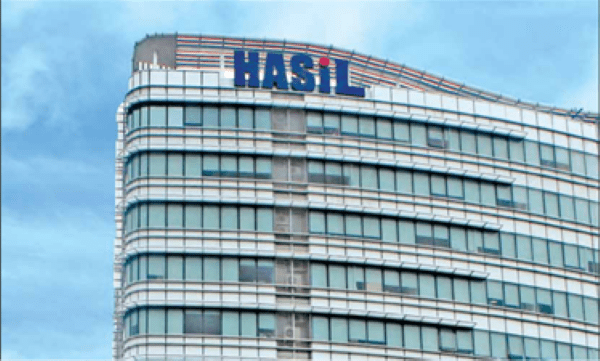
The Inland Revenue Board of Malaysia updated on the progress of e-Invoice which has been implemented since August 2024 with more than 230,000 taxpayers having submitted 1.505 billion e-Invoices since the system was introduced.
The taxation agency also reminded that starting 1 January 2026, all taxpayers are required to issue e-Invoices for every sale of goods or provision of services exceeding RM10,000. To facilitate accurate e-Invoice issuance, IRB noted that buyers are required to provide their identification number or Tax Identification Number (TIN) to sellers.
IRB has also developed analytical models to identify anomalies, suspicious transactions and unusual behavioural patterns for enforcement purposes. The data-driven approach has enabled HASiL to conduct more effective risk assessments, improve voluntary tax compliance and contribute towards higher national revenue collection. Based on its analysis, it identified taxpayers with active financial transaction patterns that did not correspond with their existing tax records.
As a result, IRB noted that 52,540 taxpayers have come forward to submit income tax return forms (BNCP) for previous assessment years. The disclosures involved total reported income of RM4.07 billion and tax payable amounting to RM1.009 billion.
These include individuals or businesses involved in high-value purchases exceeding RM100,000, vehicle and asset acquisitions, as well as active online transactions without appropriate income reporting.
Through its “nudging” approach and data-driven compliance initiatives, HASiL has provided taxpayers with opportunities to voluntarily correct their records and submit outstanding tax information before further action is taken.
However, the tax agency also noted that some taxpayers continue to fail to comply with e-Invoice requirements. Among the common issues detected include inconsistent issuance of e-Invoices, where taxpayers issue invoices for only some transactions but fail to do so for subsequent transactions.
Other non-compliance issues include issuing e-Invoices that do not follow prescribed guidelines, submitting consolidated e-Invoices beyond the permitted timeframe, and failing to issue e-Invoices for transactions exceeding RM10,000 from 1 January 2026.
IRB advised all taxpayers to ensure full compliance with the e-Invoice requirements currently in force.
Taxpayers who have yet to issue e-Invoices for previous eligible transactions have been urged to take immediate corrective action voluntarily.
The tax authority said enforcement and legal action will be taken where necessary to ensure a high level of compliance and maintain fairness within Malaysia’s taxation system.

