


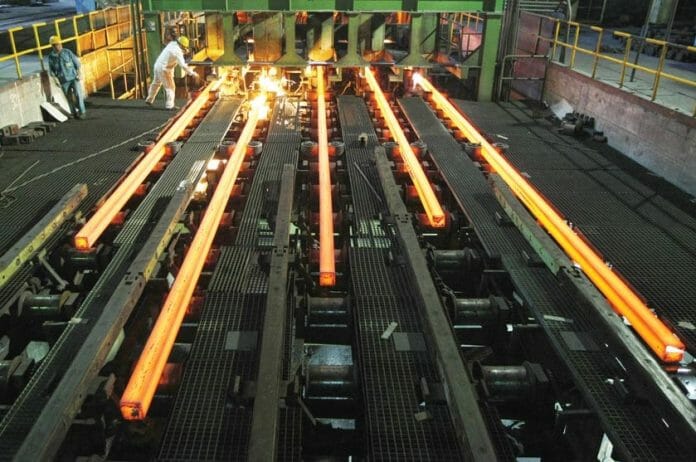
The ASEAN Iron and Steel Council (AISC) has called on governments across Southeast Asia to tighten regulations on the use of induction furnace (IF) technology in producing construction steel, warning that the manufacturing method could pose long-term structural safety risks if left unchecked.
In a statement, the council said the issue has become increasingly important as construction steel plays a critical role in buildings, bridges and other key infrastructure, particularly as ASEAN countries face growing seismic risks.
According to the council, not all steelmaking processes produce the same quality of construction steel. It said conventional Blast Furnace-Basic Oxygen Furnace (BF/BOF) and Electric Arc Furnace (EAF) technologies include refining stages that remove harmful impurities, while the induction furnace process lacks a primary refining stage, making it more difficult to eliminate contaminants from scrap metal.
The AISC said this could result in higher levels of impurities and non-metallic inclusions in finished steel, potentially reducing toughness, increasing brittleness and affecting fatigue resistance in critical structures.
While IF-produced steel may still comply with existing national chemical composition standards, the council said additional testing has found significantly higher impurity levels compared with steel produced through BF/BOF and EAF methods. It argued that many existing construction steel standards were developed decades ago, before induction furnaces became widely used for mass production, and may no longer adequately address quality concerns.
The council noted that several countries have already tightened regulations on induction furnace steel. China banned the production of construction steel using induction furnaces in 2017, while India has effectively prohibited their use for structural steel through stringent quality requirements. Thailand requires construction steel to be marked according to its production method, while Vietnam is pursuing a gradual transition away from induction furnace technology.
The AISC also highlighted growing concerns over earthquake resilience, citing recent seismic activity in the region and studies identifying fault lines across several ASEAN countries. It said ensuring the quality of construction steel is increasingly important to improve the resilience of buildings and infrastructure.
To address the issue, the council urged ASEAN governments to review the continued use of induction furnaces for producing construction steel, taking into account international practices and structural safety considerations.
Among its recommendations are restricting induction furnace steel to non-critical applications, introducing mandatory identification markings, strengthening testing requirements to include impurity-related assessments, and implementing a phased transition towards safer steelmaking technologies.
The council also called for national construction standards to be updated to reflect modern steel production methods and ensure stronger controls over impurity levels, structural performance and product traceability.
It warned that failure to act could encourage the expansion of lower-quality steel production, potentially increasing safety risks, while proactive reforms would strengthen public confidence in ASEAN’s infrastructure and construction sector.


