


Global oil prices have rallied sharply after the United States reimposed a naval blockade on Iran, with analysts warning that Brent crude faces mounting upside risks as geopolitical tensions threaten one of the world’s most important energy chokepoints.
In a market update published on July 14, BMI said Brent crude climbed towards US$87 per barrel following US President Donald Trump’s announcement that Washington would reinstate its naval blockade of Iran effective July 14.
The latest escalation follows nearly a week of military exchanges between the US and Iran, as well as Tehran’s announcement on July 12 that it had closed the Strait of Hormuz.
Trump also announced that the US would impose a 20% levy on all cargoes passing through the Strait of Hormuz, describing the charge as compensation for maritime security services provided by the US Navy.
The announcement triggered an immediate market reaction, with Brent futures for August delivery settling at US$83.30 per barrel on July 13 before extending gains towards US$87 during Asian trading on July 14.
BMI said the latest developments pose “considerable upside risk” to its current forecast for Dated Brent crude to average US$84 per barrel in 2026.
The research house noted that it had previously argued investors were underestimating the risks of renewed disruptions in the Strait of Hormuz, a vital shipping route that carries roughly one-fifth of global oil supplies.
“We remain within our Country Risk team’s ‘Constructive Negotiations’ framework for US-Iranian relations, but there is a significant and growing risk that we shift into our ‘Messy Negotiations’ scenario,” BMI said.
The firm is currently reassessing its bullish, bearish and base-case oil price scenarios and expects to publish revised forecasts later this week.
BMI warned that the crude market is now more vulnerable to supply disruptions than it was earlier this year.
Fuel inventories remain seasonally low while the northern hemisphere enters its peak summer demand period. At the same time, the ongoing El Niño weather pattern continues to pose risks to global energy systems.
The report also noted that many of the factors which helped contain oil prices during the second quarter—including inventory drawdowns, increased exports from non-Gulf producers and weaker Chinese crude imports—are becoming increasingly difficult to sustain.
Beyond supply fundamentals, BMI believes investor sentiment will play a crucial role in determining Brent’s short-term direction.
The research house said traders have repeatedly benefited from selling into conflict-driven oil rallies over recent years, particularly as geopolitical tensions often eased more quickly than initially feared.
However, BMI cautioned that the latest crisis may prove more difficult for markets to dismiss, especially if Brent successfully breaks above the US$90 per barrel level and remains there.
One of the biggest upside risks identified by the firm is the potential resumption of Houthi attacks on Saudi Arabian oil export infrastructure and Red Sea shipping routes.
BMI said any disruption to Saudi Arabia’s Yanbu export terminal or vessels transiting the Bab el-Mandeb Strait could significantly tighten global oil supplies and push prices materially higher.
The proposed US levy on cargoes transiting the Strait of Hormuz also introduces fresh uncertainty for global energy markets.
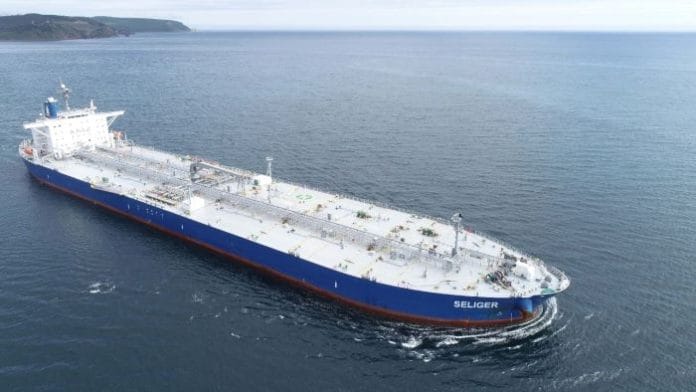
According to BMI’s estimates, a 20% charge on a fully loaded Very Large Crude Carrier transporting around two million barrels of oil valued at US$85 per barrel would amount to roughly US$34 million per shipment, or approximately US$17 per barrel before insurance and other transport costs.
The research house said such costs are unlikely to be commercially viable for many refiners and could significantly reduce demand for Gulf crude exports if implemented.
BMI added that uncertainty surrounding how the levy would be collected and enforced further complicates the outlook, with shipping companies potentially facing difficult decisions over routing, security risks and rising transportation costs.
Should the levy take effect as proposed, the firm believes it would further tighten global oil markets and add additional upside pressure to Brent crude prices in the months ahead.


