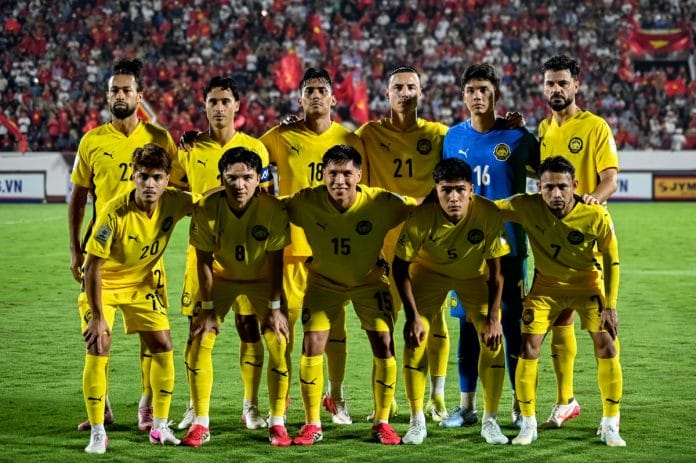
Deputy Prime Minister Datuk Seri Dr Ahmad Zahid Hamidi recently said Malaysia aspires to one day host the FIFA World Cup. It is a dream that many football fans, myself included, would love to see become reality. But after digging into FIFA’s requirements, Malaysia’s existing infrastructure and what previous hosts have spent, I realised just how monumental that dream actually is.
It All Started With A Dream
When I heard Zahid say he hoped Malaysia would one day host the FIFA World Cup while also seeing Harimau Malaya compete on football’s biggest stage, I smiled.
As someone who has spent the past month following every World Cup match, travelling to Putrajaya for the final and watching the country’s excitement return with Harimau Malaya’s resurgence, it felt like the kind of statement every football fan wants to hear.
But then the journalist in me took over.
How much would it actually cost? Does Malaysia already have the facilities? And more importantly, are we anywhere close to being ready?
After spending hours reading FIFA’s hosting requirements, past World Cup spending and studies on Malaysia’s readiness, one thing became clear.
Hosting the World Cup isn’t simply about building stadiums.
It is about building an entire ecosystem.
First, Here’s What FIFA Actually Wants
One thing that surprised me was how enormous FIFA’s checklist really is.
| Requirement | FIFA Expectation |
|---|---|
| Stadiums | 10-14 FIFA-compliant venues |
| Large stadiums | At least eight with 40,000+ seats |
| Main stadium | One venue exceeding 80,000 seats |
| Training facilities | Multiple FIFA-approved team bases |
| Hotels | Tens of thousands of rooms |
| Transport | Airports, highways and rail connecting venues efficiently |
| Broadcasting | International-standard media centres and fibre infrastructure |
| Security | Massive crowd control and emergency response capability |
Reading that list alone made me realise why countries spend tens or even hundreds of billions preparing for the tournament.
Malaysia Isn’t Starting From Zero
The good news is Malaysia already has several pieces of the puzzle.
Bukit Jalil National Stadium comfortably exceeds FIFA’s 80,000-seat requirement, while the Shah Alam Stadium redevelopment should eventually provide another venue capable of hosting marquee matches.
Malaysia also has several other stadiums above the 40,000-seat mark, along with modern airports, highways and one of Southeast Asia’s better urban rail systems.
Here’s where we currently stand.
| Area | Current Situation |
|---|---|
| Main stadium | ✅ Bukit Jalil (87,411 seats) |
| Second mega stadium | ✅ Shah Alam (under redevelopment) |
| Other large stadiums | Around nine above 40,000 seats |
| Airports | Strong international connectivity |
| Klang Valley rail | Extensive MRT and LRT network |
| Standalone FIFA requirement | ❌ Still short of 10-14 competition venues |
That last point is important.
Malaysia simply doesn’t have enough FIFA-standard stadiums for a standalone World Cup.
Then Came The Biggest Shock: The Price Tag
I expected the cost to be high.
I wasn’t expecting RM80 billion to RM150 billion.
To put that into perspective, that’s more than many of Malaysia’s largest national infrastructure projects combined.
Where would the money actually go?
| Spending Area | Estimated Cost (RM) | What’s Included |
|---|---|---|
| Stadium construction and upgrades | 15-30 billion | Building new venues, redeveloping existing stadiums, installing FIFA-standard pitches, lighting, hospitality areas and broadcast facilities. |
| Public transport and road infrastructure | 20-40 billion | MRT/LRT expansion, highways, airport links, rail upgrades and improved connectivity between host cities. |
| Airports and aviation facilities | 5-10 billion | Terminal expansion, immigration facilities, baggage systems and increased passenger capacity. |
| Hotels and accommodation | 10-20 billion | New hotels, athlete villages, media accommodation and fan lodging across host cities. |
| Training facilities and fan zones | 3-8 billion | Team base camps, training pitches, public viewing areas and recreational facilities. |
| Broadcasting and digital infrastructure | 5-10 billion | International Broadcast Centre, fibre-optic networks, 4K/HDR production capability, telecommunications and cybersecurity. |
| Security and tournament operations | 10-20 billion | Policing, emergency response, volunteers, logistics, crowd management, ceremonies and operational costs throughout the tournament. |
| Estimated Total | RM80-150 billion | Varies depending on whether Malaysia hosts alone or as part of an ASEAN bid. |
It’s worth noting that these figures are indicative estimates rather than official government projections. The exact cost would depend heavily on whether Malaysia builds new stadiums, upgrades existing infrastructure or shares hosting duties through a joint ASEAN World Cup bid. A multi-country tournament could significantly reduce Malaysia’s financial commitment by distributing venues and infrastructure investments across participating nations.
And suddenly, the number started making sense.
Hosting the World Cup isn’t paying for football.
You’re essentially upgrading an entire country.
How Does Malaysia Compare With Previous Hosts?
Looking at history helped put everything into perspective.
| Host | Cost |
|---|---|
| Germany 2006 | US$5.2 billion |
| South Africa 2010 | US$7.2 billion |
| Brazil 2014 | US$15 billion |
| Russia 2018 | US$11.6-14 billion |
| Qatar 2022 | US$220 billion |
| USA, Canada & Mexico 2026 | Around US$8 billion |
| Malaysia (estimated) | RM80-150 billion (US$17-32 billion) |
The reason Qatar spent so much is obvious.
It wasn’t just hosting football.
It built an entirely new city, metro lines, stadiums and surrounding infrastructure.
Malaysia wouldn’t need to go that far.
But it certainly wouldn’t be cheap.
Maybe ASEAN Is The Better Answer
The more I researched, the more I became convinced that Malaysia probably shouldn’t do it alone.
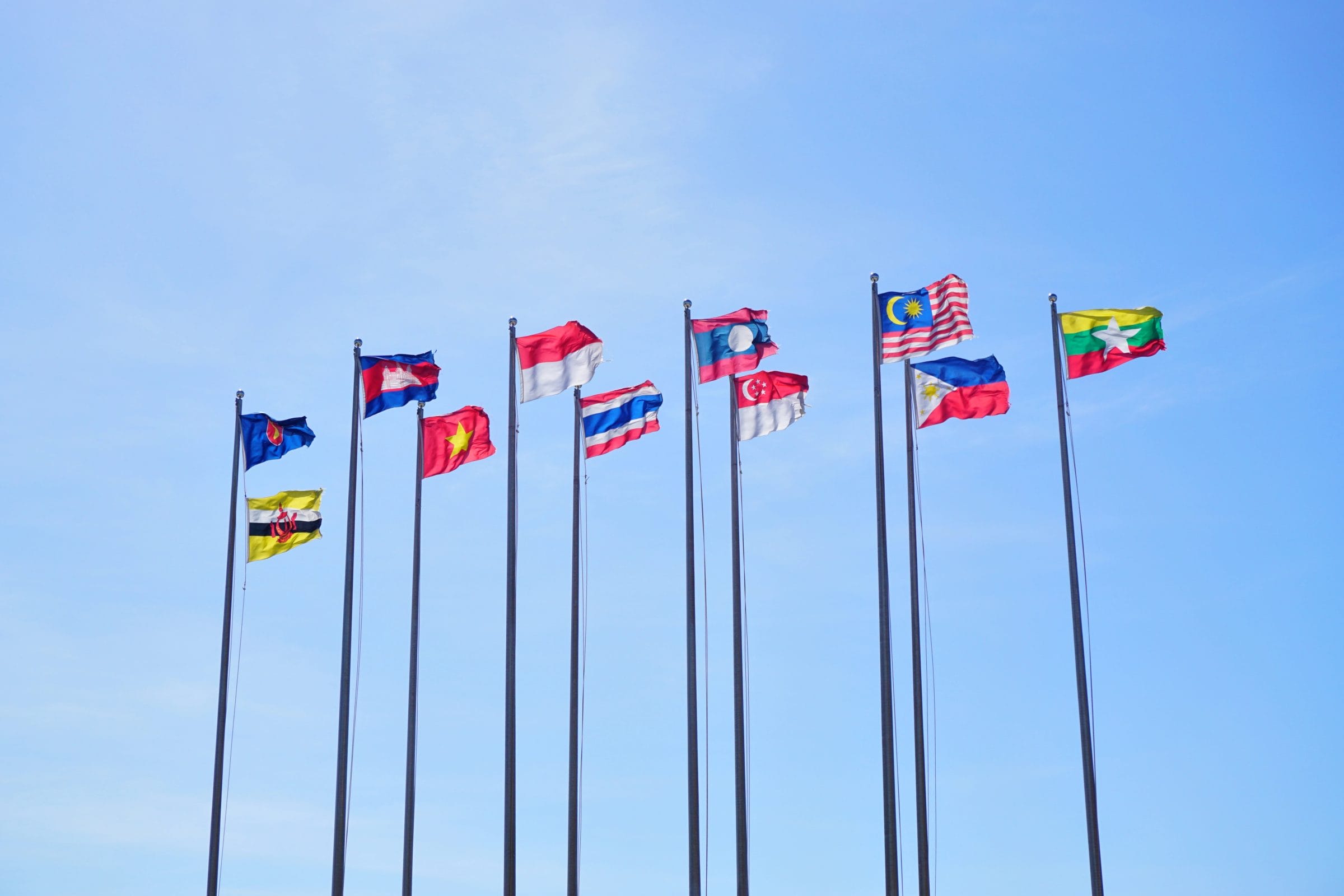
A feasibility study conducted by Universiti Malaya back in 2015-2016 concluded that an ASEAN World Cup was entirely possible.
Instead of one country bearing the financial burden, stadiums could be shared among Malaysia, Indonesia, Thailand, Vietnam, Singapore and other regional neighbours.
Why an ASEAN bid makes sense
| Advantage | Benefit |
|---|---|
| Shared costs | Lower financial burden |
| Existing stadiums | Less new construction |
| Short flights | Easy travel between host cities |
| Tourism | Fans experience multiple countries |
| Regional branding | ASEAN showcased together |
It reminds me of what Canada, the US and Mexico are doing for the 2026 tournament.
Perhaps that’s the blueprint Southeast Asia should follow.

But Football Legends Are Telling Us To Slow Down
Not everyone shares Zahid’s optimism.
Former national striker James Wong described the World Cup ambition as little more than “coffee shop talk.”
His criticism wasn’t aimed at killing the dream.
Instead, he argued Malaysia should first fix its football foundations.
Develop stronger youth programmes.
Improve domestic competitions.
Produce better players.
Only then should the country think about hosting football’s biggest event.
Legendary defender Santokh Singh was even more blunt.
His argument was difficult to ignore.
“We can’t even qualify. How are we going to host it?”
He believes Malaysia’s priority should be reforming the Football Association of Malaysia (FAM), strengthening grassroots football and rebuilding a competitive national team before discussing World Cup ambitions.
His prediction was sobering.
Without hosting rights, he does not see Malaysia qualifying for the World Cup in the next 10, 20 or even 50 years.

Even TMJ Says “Forget About It”
Perhaps the strongest criticism came from Johor Regent Tunku Ismail Sultan Ibrahim.
When asked whether Malaysia could host the World Cup, his answer was direct.
“For Malaysia, I can say, forget about it.”
His reasoning wasn’t about money.
It was about basics.
He pointed out that for years, many stadiums still struggle with poor-quality pitches, outdated floodlights and ageing facilities.
His now-famous remark about some venues still using “cow grass” quickly became one of the biggest talking points in Malaysian football.
His broader message was simple.
Dreams are important.
But reality matters more.
Until Malaysian football fixes unpaid salaries, deteriorating facilities and inconsistent infrastructure, discussions about hosting the FIFA World Cup remain premature.
So… Could Malaysia Actually Do It?
After researching everything, I don’t think the answer is simply yes or no.
Technically?
Yes.
Malaysia already possesses several world-class stadiums, excellent airports and experience organising major international sporting events.
Financially?
Possible, but extraordinarily expensive.
Practically?
Probably not alone.
An ASEAN bid appears far more realistic than a standalone Malaysian campaign.
My Final Thoughts
As a football fan, I would love nothing more than seeing the FIFA World Cup played on Malaysian soil one day.
Imagine Bukit Jalil hosting a World Cup final.
Imagine fans from every corner of the world filling Kuala Lumpur’s streets.
Imagine Harimau Malaya walking onto the pitch in front of a home crowd.
It would be unforgettable.
But after looking beyond the dream, I also understand why so many football figures are urging caution.
Hosting the world’s biggest sporting event isn’t just about ambition.
It requires decades of planning, enormous financial commitment, political coordination and, perhaps most importantly, a football ecosystem capable of sustaining that legacy long after the final whistle.
Maybe one day Malaysia will get there.
If it does, I suspect it won’t be because we chased the World Cup first.
It will be because we built Malaysian football properly, and the World Cup naturally followed.