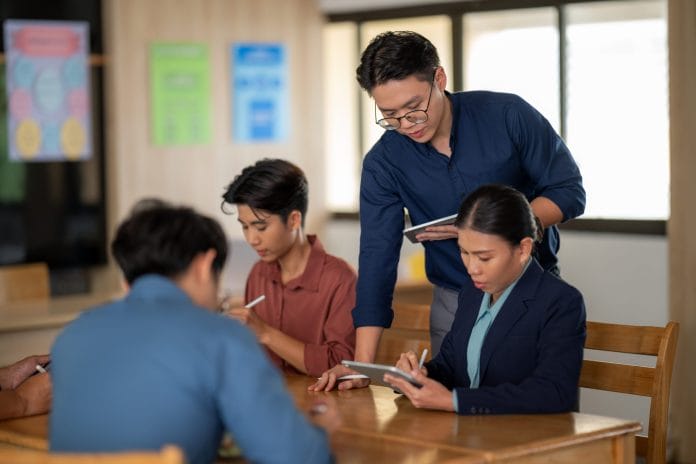
For schools, introducing technology is not limited to buying devices. It also involves training teachers, managing repairs, protecting student information and ensuring equipment remains useful over time.
At a recent education event in Kuala Lumpur, Apple outlined how its education efforts extend beyond its Mac and iPad range to include professional learning programmes, accessibility functions and long-term device planning.
Dominic Liechti, Senior Director of Worldwide Product Marketing for Education at Apple, said the work was intended to support the people at the centre of a school community.
“We’re here to have an impact ultimately on students and the teachers”, Liechti said.

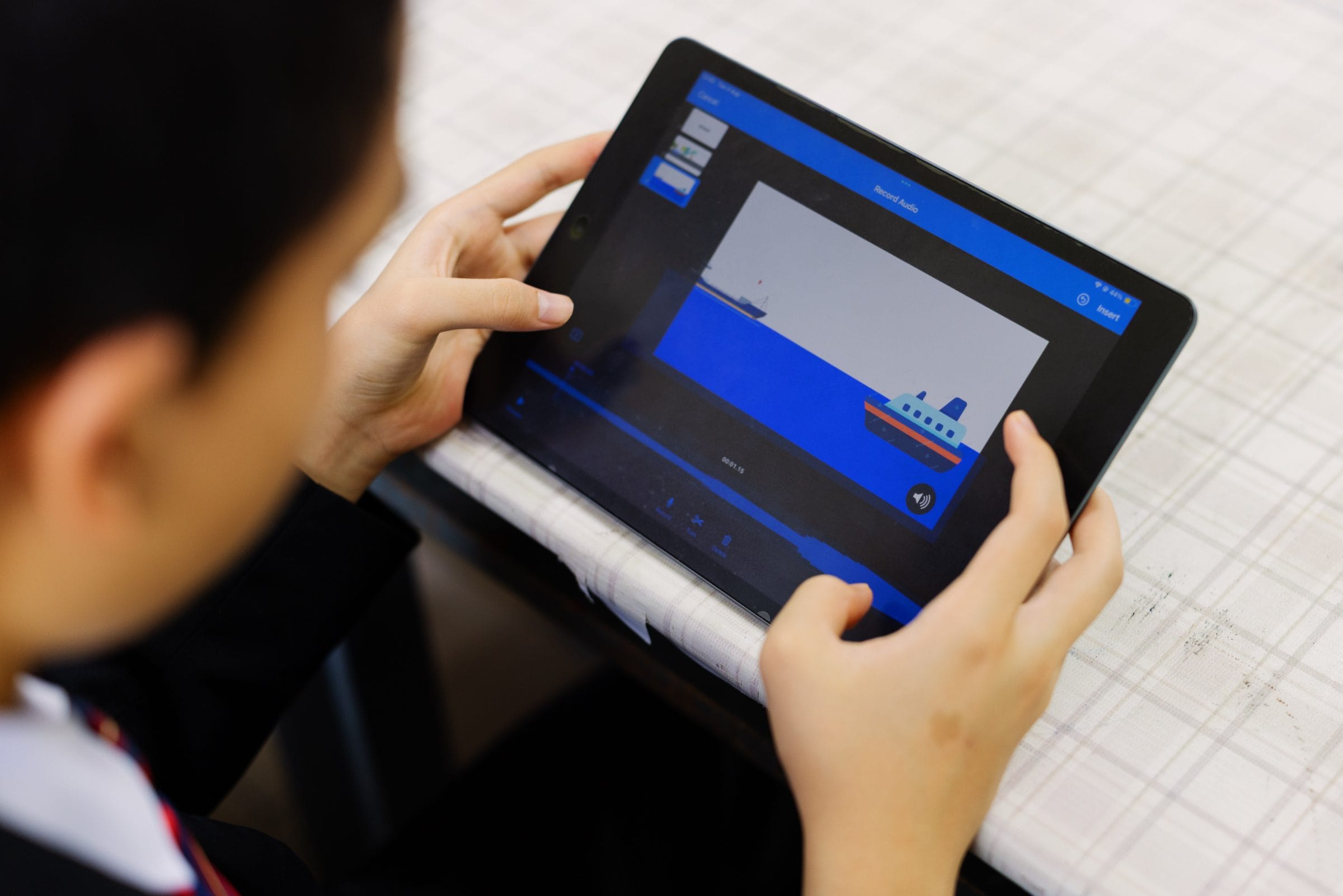
Apple groups its education efforts under four areas: engagement, expression, longevity and continued support. While the first two relate to how students use technology, the latter two focus on what happens after a school has adopted it.
That includes helping educators become comfortable with the tools available to them. Apple Teacher provides free, self-paced training for educators using Apple technology, and the company said more than 400,000 teachers worldwide are recognised through the programme.
For schools that require more sustained support, Apple Learning Coach trains selected educators to support their colleagues. Rather than relying solely on external workshops, the programme is designed to build expertise within schools, enabling trained participants to assist others with lesson planning and the effective use of technology.

Currently, Apple has more than 7,000 Learning Coaches globally, where participants can connect with educators from other schools and share experiences.
The event also outlined functions intended for students with different access requirements, including tools for users with visual, hearing, mobility and cognitive needs. Translation and text-to-speech functions were cited as examples that may also assist second-language learners.
Privacy and data management formed another part of the discussion. Certain AI-related tasks can be processed directly on a device, including in offline settings, rather than requiring information to be sent to a remote server.
For schools, however, managing technology still involves setting their own policies on student accounts, approved applications, data sharing and the use of shared devices.
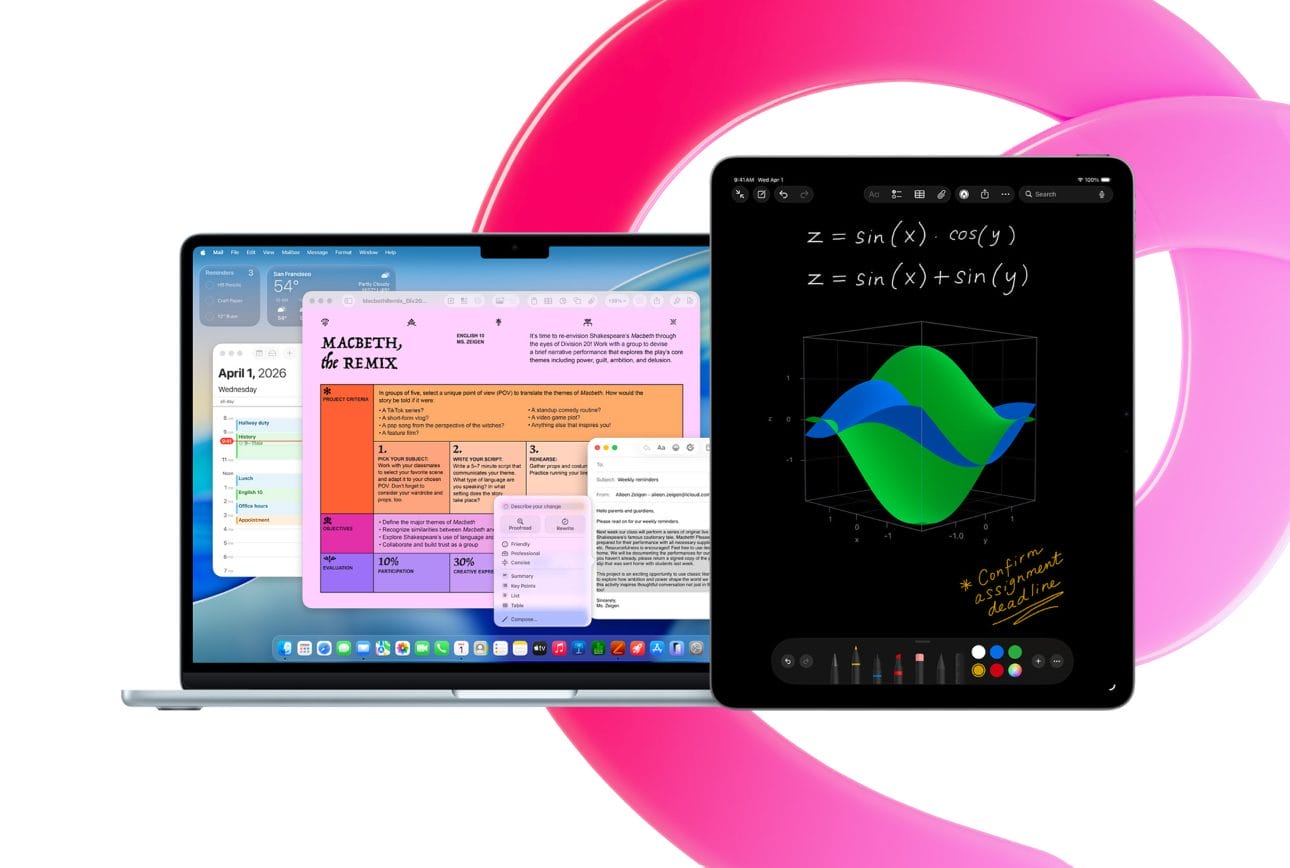
The lifespan of school devices was also taken into consideration. Under their “designed to last” approach, Apple focuses on battery performance, durability, repairability and the total cost of ownership rather than only the initial purchase price.
The MacBook Neo, for example, contains 60% recycled content and an internal design that allows selected components to be repaired more easily.
Additionally, the event showed how Apple is positioning its education efforts around an ecosystem of products, training and support services. The extent to which these resources are used will depend on individual schools’ budgets, existing infrastructure and technology policies.
“When we infuse technology with humanity, we can change people’s lives and learners’ lives in profound ways,” Liechti said.