



DAP’s overwhelming decision to keep its ministers and deputy ministers in the current government administration until the 16th General Election (GE16) may have settled one immediate political question, but the party now faces a more consequential test — whether it can rebuild its reformist identity and broaden its appeal beyond its traditional voter base.
Political analyst Dr Ahmad Zaharuddin Sani said to BusinessToday that the Aug 16 decision during the DAP special congress should not be seen merely as an internal vote on government positions, but as a moment that forces DAP to confront a deeper question over whether political power remains an instrument for reform or has increasingly become a burden of compromise.
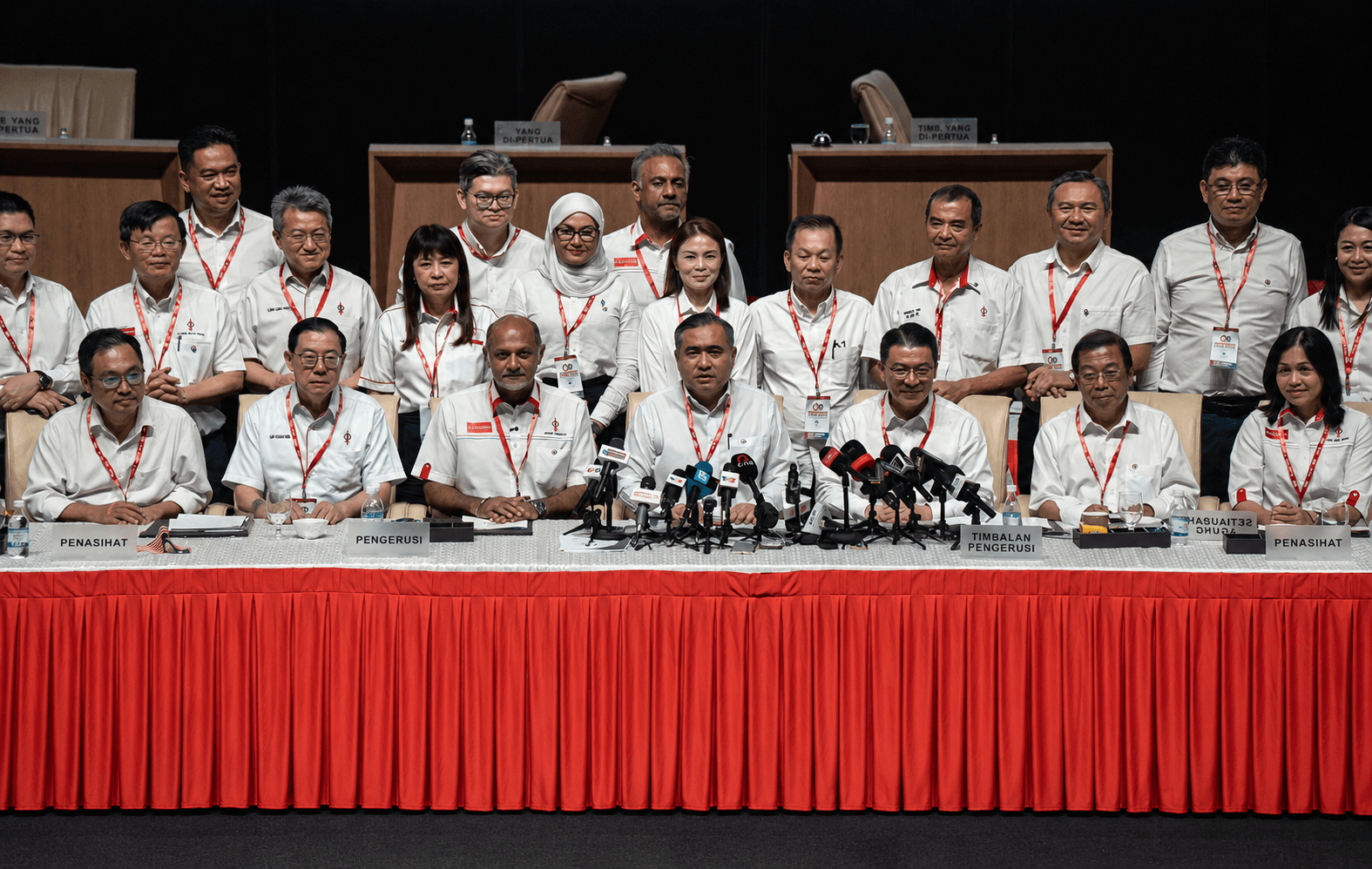
During the special congress, 88.2% of DAP delegates voted for the party’s representatives to remain in government until GE16. Of 2,106 secret ballots cast, 1,857 supported staying in government while 242 voted for the ministers to resign.
The decision effectively gives DAP’s five ministers and seven deputy ministers a mandate to continue serving in Prime Minister Datuk Seri Anwar Ibrahim’s administration.
But Dr Ahmad Zaharuddin said remaining in government alone will not resolve the larger political challenge facing the party.
“DAP may possess considerable parliamentary strength; it won 40 parliamentary seats in GE15 but that does not automatically translate into broad national acceptance.

“The party needs to look beyond how many seats it can retain and confront the more difficult question of which voters continue to resist it,” he said.
He added that the dilemma has become more pressing following a series of electoral setbacks where DAP lost all eight seats it contested in the November 2025 Sabah state election, while its representation subsequently fell from 10 seats to six in Johor and from 11 to nine in Negeri Sembilan.
Staying In PH Is Not Enough
Dr Ahmad Zaharuddin believes DAP’s best option heading into GE16 is to remain with Pakatan Harapan (PH), but rebuild a distinct political identity within the coalition.
“Leaving PH would be politically hazardous because DAP cannot govern Malaysia on its own and requires coalition politics to exert influence over national policy.
“Yet staying in government without clearly articulating its own positions carries another risk — becoming indistinguishable from the coalition and inheriting public anger over issues it may not fully control,” he explained.
That includes public dissatisfaction over the cost of living, delayed reforms, political compromises and unfulfilled expectations.
He emphasised that the challenge, therefore, is not whether DAP should leave PH, but how it remains within the coalition without surrendering the political identity that built its support.
Dr Ahmad Zaharuddin then said the party needs to clearly communicate what it has delivered in government, where it has failed, what it has opposed internally and which reforms it is still prepared to fight for.
Malay Acceptance Remains The Bigger Test
More significantly, DAP will have to confront what Dr Ahmad Zaharuddin describes as its longstanding Malay acceptance problem.
“While the party already commands considerable support among Chinese voters, winning broader trust among Malay voters remains a major strategic weakness that cannot be fixed through slogans or election campaigning alone.
“Rebuilding that trust will require DAP to demonstrate that it understands bread-and-butter concerns from the price of food and housing to education and jobs as convincingly as it speaks about institutional reform, equality and good governance,” he shared while revealing that leadership renewal will also need to go beyond introducing younger faces.
DAP’s current leadership already includes a younger generation such as Steven Sim, Hannah Yeoh, Syahredzan Johan and Arul Kumar alongside more established figures, but Dr Ahmad Zaharuddin cautioned that generational change does not automatically amount to political transformation.
For DAP to break through its electoral ceiling, its next generation of leaders must become more effective at communicating with Malay voters, rural communities, younger Malaysians and constituencies outside the party’s traditional urban strongholds.
GE16 Could Decide DAP’s National Ceiling
Ultimately, Dr Ahmad Zaharuddin sees GE16 as potentially defining whether DAP evolves into a genuinely broader national party or remains highly successful within a relatively limited electoral constituency.
DAP won 28 parliamentary seats in GE12, 38 in GE13, 42 in GE14 and 40 in GE15, but its vote share slipped from 17.4% in GE14 to 15.5% in GE15.
The danger, he argued, is that DAP could remain one of Parliament’s strongest parties after GE16 while simultaneously becoming less influential in shaping Malaysia’s national political narrative if it fails to reinvent itself.
Nevertheless, Dr Ahmad Zaharuddin said the Aug 16 vote has therefore answered whether DAP will remain in government for now.
The harder question is what kind of DAP will emerge when Malaysians next go to the polls.
For Dr Ahmad Zaharuddin, PH should remain the vehicle but DAP must still decide where it wants that vehicle to go.


