


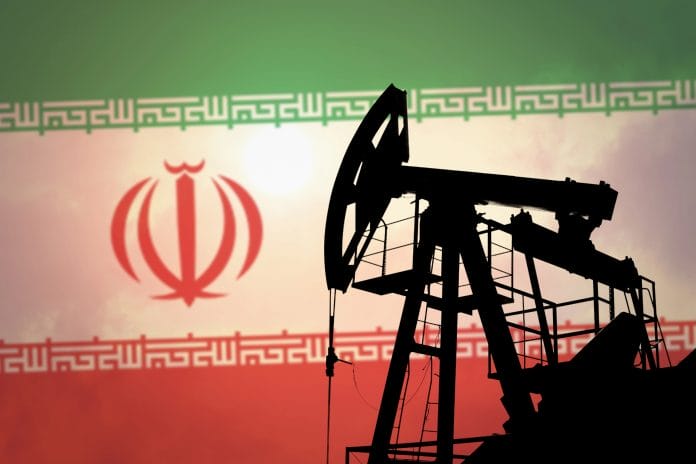
Oil prices edged higher in early trade on Wednesday, extending gains for a fourth straight session as uncertainty over crude exports through the Strait of Hormuz continued to weigh on market sentiment.
Brent crude futures rose 26 cents, or 0.29%, to US$91.28 a barrel by 0004 GMT, while US West Texas Intermediate crude futures gained 37 cents to US$85.31.
Both benchmarks had settled at their highest levels since July 24 on Tuesday as hopes for a peace deal between the US and Iran faded.
The latest price moves came as conflicting statements from Tehran and Washington left the status of the key shipping route uncertain. US President Donald Trump said on Tuesday that no talks were taking place with Iran and insisted that the Strait of Hormuz was open.
Iran, however, maintained that the strategic waterway remained closed to shipping.
A temporary ceasefire agreement expired on Monday, while a senior Iranian official told Reuters that Iran was moving ahead amid the diplomatic stalemate. There were no reports of fresh strikes by either side on Tuesday.
The uncertainty has also prompted moves to find alternative routes for oil exports.
Iraq’s cabinet on Tuesday approved mechanisms for exporting Iraqi crude through specialised international and local companies via multiple export outlets to avoid the Strait of Hormuz. The new arrangements will run for three months from Sept 1.
Meanwhile, two major Chinese shipping companies have stopped sending oil tankers through the Strait of Hormuz and the Bab al-Mandeb Strait amid the Middle East conflict, according to industry executives, tanker trackers and a ship broker. The companies are instead collecting oil cargoes outside the Gulf.
US inventory data also provided some support to prices. Crude oil and distillate inventories fell last week while gasoline stocks increased, according to market sources citing American Petroleum Institute data.
Official figures from the US Energy Information Administration are due later on Wednesday, with analysts polled by Reuters expecting crude inventories to have declined by about 600,000 barrels in the week ended Aug 14.
The Strait of Hormuz is a critical route for global oil shipments, making any prolonged disruption a potential source of further supply pressure and price volatility.
Reuters


