


OCBC said 2Q economic improvement in Malaysia was supported by stronger manufacturing, construction and services activity, alongside robust export growth.
Malaysia’s goods exports surged 16.8% y-o-y in 2Q26, compared with just 2.5% in 1Q26, with the electronics and electrical appliances sector, particularly semiconductors, remaining a key growth driver.
Services exports also strengthened, expanding 18% y-o-y in 2Q26, up from 17.1% in the previous quarter.
OCBC attributed the resilience partly to Visit Malaysia 2026 and the large-scale data centre investments that have been underway since 2021.
Domestic demand in Malaysia remained broadly stable, with domestic final demand growth easing only marginally to 5.1% in 2Q26 from 5.2% in 1Q26.
Broad-based subsidies have continued to cushion households from higher global oil prices and support private consumption, OCBC said.
However, investment growth moderated. Malaysia’s gross fixed capital formation (GFCF) expanded 4.6% y-o-y in 2Q26, down from 7.3% in 1Q26, mainly due to slower private-sector investment.
OCBC said this was consistent with its view that investment growth would normalise following the sharp increases associated with data centre construction in recent years
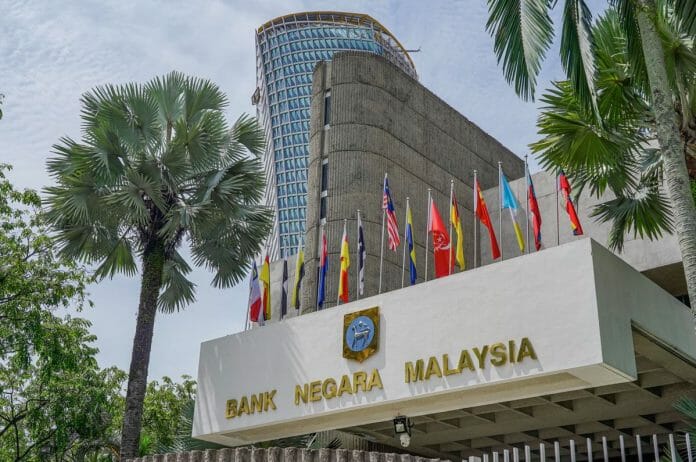
The house expects Bank Negara Malaysia to keep the Overnight Policy Rate (OPR) at 2.75% in 2026, before raising it to 3.0% in 2027.


