


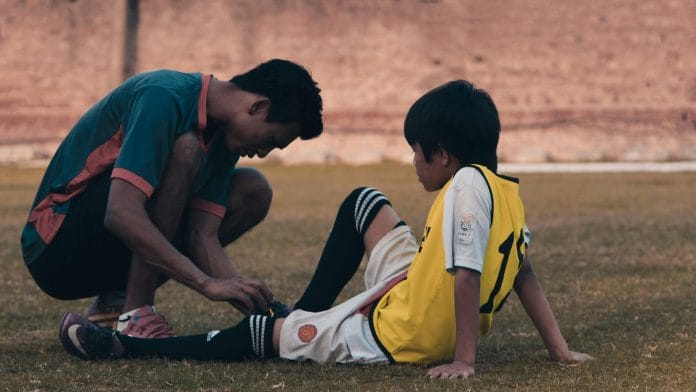
Knee pain is common among active teenagers and is often blamed on sports injuries or “growing pains.” However, not all pain is harmless. When pain persists or behaves unusually, it may be a sign of a more serious condition, including bone cancer.
Osteosarcoma is a highly aggressive type of bone cancer that primarily affects children and adolescents. About 75% of cases occur before age 25, with an incidence of 4.4 per million cases per year. It commonly develops around the knee, which makes it easy to mistake for a sports injury—one of the key reasons diagnosis is often delayed.
According to Dr Tie Teck Liang, Consultant Orthopaedic Oncology Surgeon, Sunway Medical Centre, Sunway City (SMC), persistent pain that does not improve with rest or time, like a typical injury, should never be ignored.
Teenagers tend to be active, and minor injuries are common. According to Dr Tie, what matters is not just the presence of pain but its pattern.
“With a typical sports injury, pain should gradually improve with rest and medication. If the pain persists beyond one to two weeks, remains intense, or does not respond to painkillers, that is when further investigation is needed,” he explains.
If your child experiences pain from an injury that wakes them up at night or does not improve after taking medication, it may be more than a simple injury and should be evaluated by a doctor. In some cases, it could indicate osteosarcoma. Other suspicious signs include swelling in the leg, the presence of a lump, limping while walking, or pain that occurs without a specific injury.
“There is no strict timeline, but parents and coaches should notice whether the pain is improving or remaining the same with medication or disrupts sleep,” says Dr Tie.
Kids love to run, jump and trip over their own feet, so it is common to see knee pain from overuse and trauma. Often, these injuries can highlight underlying issues. Early symptoms are often mild and easily mistaken for sports injuries, especially if there was a recent fall. This creates a false sense of reassurance.
However, unlike an injury, osteosarcoma continues to grow. In children, tumours can enlarge rapidly, eventually involving surrounding nerves and blood vessels, which makes treatment more complex.
Early imaging should always come before any surgical procedure or biopsy done elsewhere. “X-ray is the most common first step in assessing persistent bone pain. It can reveal abnormal bone changes and guide clinicians on the next steps,” Dr Tie shares.
If findings are suspicious, an MRI is usually needed to determine the tumour size and its relationship to nearby nerves and vessels, which directly affects surgical options. Depending on the case, CT scans, bone scans or PET scans may be used to assess spread.
If imaging suggests a bone tumour, diagnosis must be confirmed with a biopsy, but this step needs careful planning. “The biopsy should always be performed by the surgeon who will carry out the definitive surgery,” Dr Tie explains. This is because the biopsy tract is treated as contaminated and must be removed during tumour surgery.
A poorly planned biopsy can contaminate surrounding tissues, complicate reconstruction, and increase the risk of recurrence, as well as a higher risk of amputation. This is why early referral to a specialist orthopaedic oncology centre is critical.
Decades ago, amputation was often the only option for osteosarcoma. Today, advances in treatment have made limb-salvage surgery possible in selected cases.
Surgery involves wide local excision of the tumour with a margin of healthy tissue to ensure cancer clearance. Reconstruction options include endoprosthetic reconstruction, where a metal implant replaces the removed bone segment.
In selected cases, Dr Tie performs biological reconstruction using cryotherapy, where the patient’s own tumour-bearing bone is treated with liquid nitrogen at −196°C to destroy cancer cells before being reimplanted.
“The advantage is that we use the patient’s own bone. This approach may reduce issues such as size mismatch and may support bone healing in some cases,” he says. For growing children, preserving natural bone can help reduce limb length discrepancies and improve long-term function of the limb long after the surgery.
Recovery does not end with surgery. Physiotherapy often begins within days, focusing on strengthening and the gradual return of movement. The recovery journey typically spans about a year, including chemotherapy and surgery, followed by years of monitoring for recurrence or spread.
Many families initially struggle with fear and uncertainty, but understanding the treatment journey helps them regain a sense of control.
Equally important is emotional support. Dr Tie notes that children often cope better than their parents once they understand what to expect. Clear communication, reassurance and realistic goal setting help families navigate the long treatment course.
Most knee pain in teenagers is not cancer. But when pain persists, worsens, or behaves unusually, it should never be ignored.
“Early diagnosis is important and may improve treatment outcome, including the possibility of limb preservation and functional recovery, allowing children to return to a normal, active future,” Dr Tie emphasises.


