


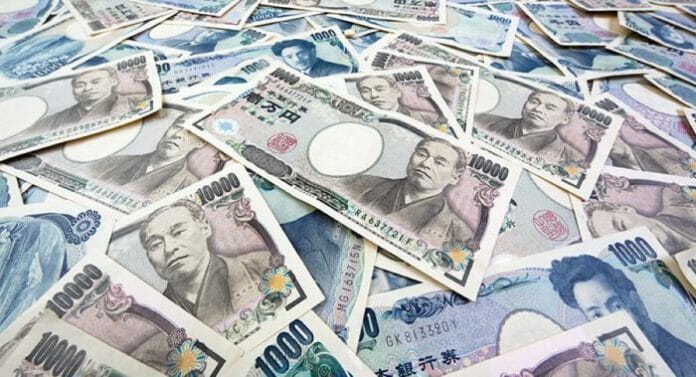
Japan’s foreign reserves recorded their biggest-ever monthly decline in August after Tokyo carried out a record round of dollar-selling and yen-buying intervention to stem persistent weakness in the currency.
Data from Japan’s Ministry of Finance showed reserves fell US$79.6 billion or 6.18% to US$1.208 trillion at the end of August from US$1.287 trillion a month earlier.
The decline was mainly driven by a fall in foreign securities, which make up about 70% of Japan’s reserves and are largely held in US Treasuries acquired through dollar-buying interventions conducted around two decades ago.
Japan spent ¥15.4 trillion or about US$98.66 billion on currency intervention between 30 July and 26 August, marking the largest intervention operation recorded in a single month, according to separate MOF data released last month.
The intervention helped push the yen higher from 40-year lows near ¥164 against the US dollar to as strong as ¥155.20 by 3 August. The currency later weakened towards ¥160 before recovering to around ¥155 to ¥156 in early September.
Part of the yen-buying intervention was carried out jointly with the US, marking the first coordinated intervention between the two countries since 2011 and catching markets off guard as expectations for such action had been limited.
Tokyo and Washington have also sought to ease concerns over Japan’s ability to sustain large-scale intervention by pointing to a Federal Reserve backstop introduced during the COVID-19 pandemic.
The facility allows Japan to obtain dollar liquidity without directly selling US Treasuries, potentially reducing funding pressure on Tokyo as it intervenes in the currency market.


