


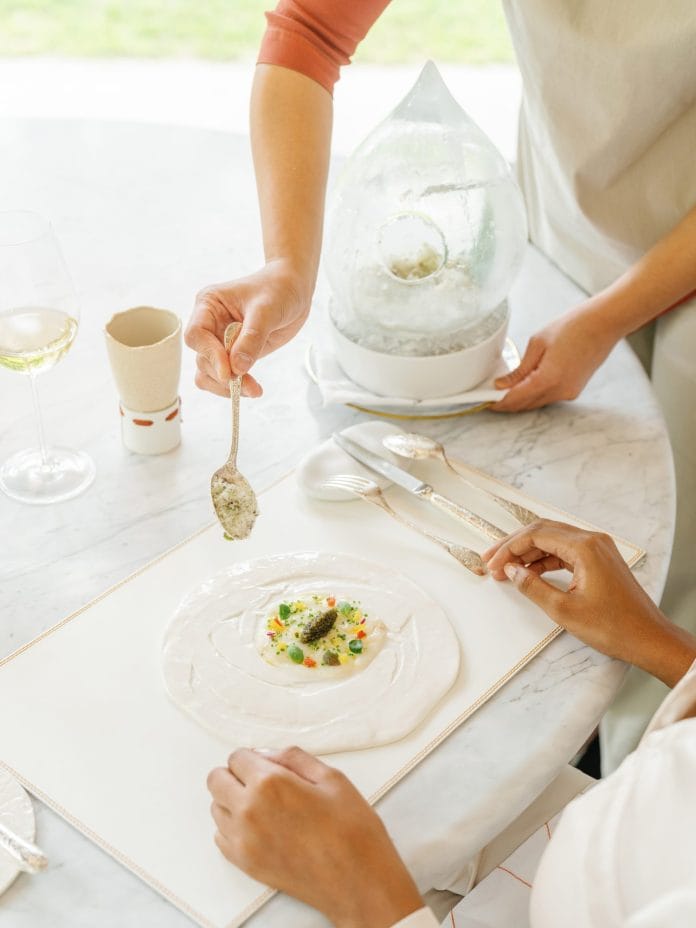
Sustainability has long been part of the conversation around responsible dining, but its importance has never been greater. As the world of luxury gastronomy continues to evolve, chefs and hotels are looking more closely at the ingredients, landscapes and communities behind every dish.
From wild ingredients foraged in the Dolomites to seasonal produce and local terroir, discover how thoughtful culinary experiences are putting sustainability at the heart of the table — rooted in place, shaped by nature and served with purpose.
Cheval Blanc Randheli – Noonu Atoll, Maldives
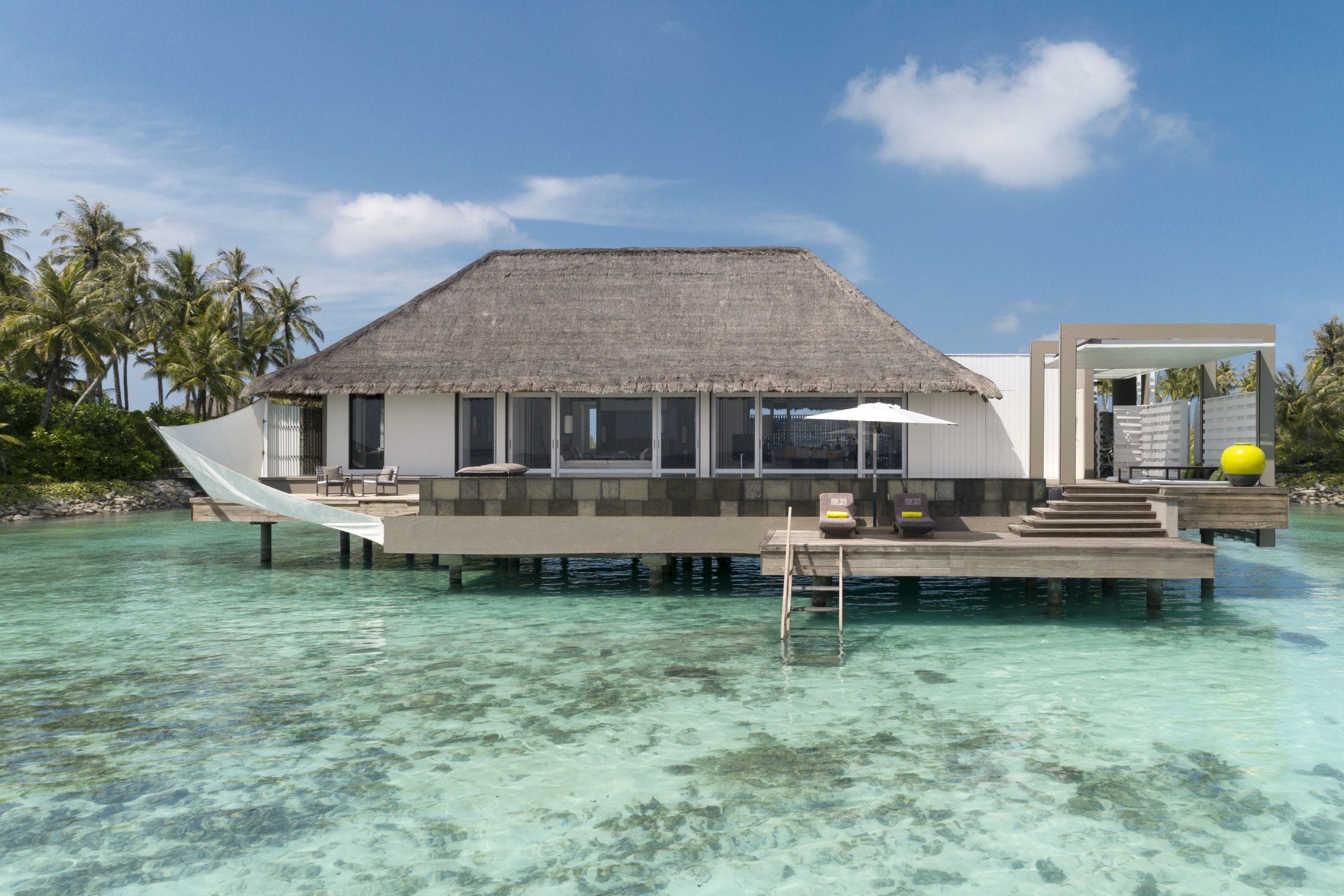
Spread across six islands in the Noonu Atoll, Cheval Blanc Randheli is surrounded by one of the Maldives’ most extraordinary and fragile marine environments. Here, sustainability is increasingly woven into the way the Maison operates, from reducing its reliance on single-use plastics to improving waste separation and recycling, while taking steps to minimise food waste across its operations.
These efforts extend across the Maison’s culinary landscape, which comprises five restaurants and three bars, creating a more considered approach to gastronomy within the remote island setting. At The Spa Bar, located on the dedicated island of wellbeing, this philosophy takes on a more personal dimension through mindful eating. Rather than focusing solely on indulgence, the menu centres around fresh juices, healthful small plates and personalised, restriction-friendly options, encouraging guests to think more consciously about what they consume and how it makes them feel.
Hotel du Cap-Eden-Roc – Cap d’Antibes, France
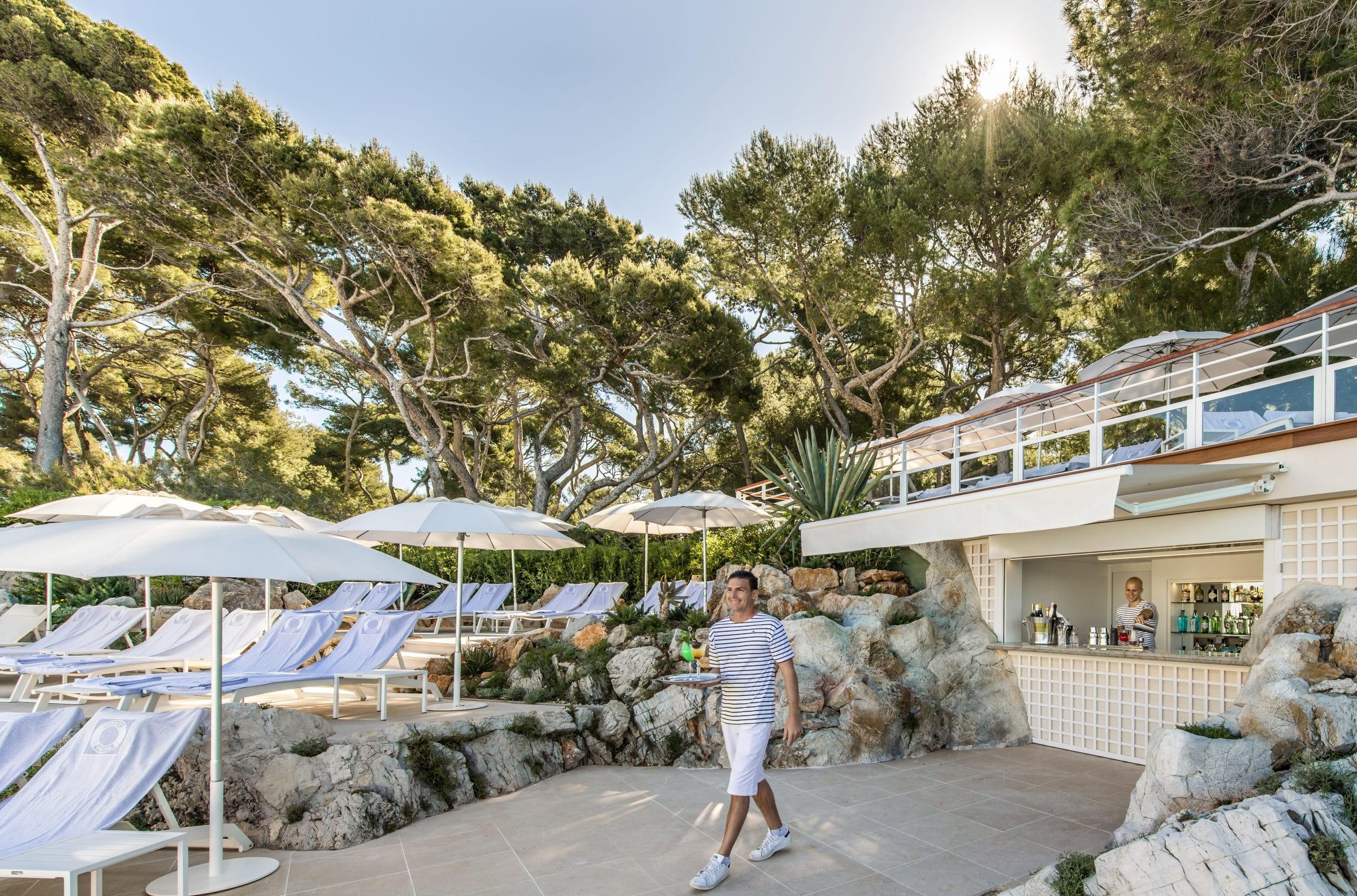
Perched along the Mediterranean coastline of the French Riviera, Hotel du Cap-Eden-Roc has long been synonymous with timeless glamour. Yet behind its celebrated dining experiences lies a considered approach to sustainability, with the hotel placing increasing emphasis on local sourcing, responsible consumption and the preservation of its surrounding environment.
Since 2018, the hotel has operated a composting programme that transforms vegetable and fruit peelings from the kitchen, restaurants and room-service breakfasts into compost for the gardens — producing around nine tonnes each year. Beyond the plate, Hotel du Cap-Eden-Roc is also working to protect the biodiversity of its Mediterranean surroundings. In partnership with the Vert-d’Azur horticultural school, the hotel is experimenting with locally adapted and more climate-resilient plants within its gardens, while its wider sustainability programme includes initiatives focused on natural resource conservation, carbon reduction and responsible purchasing. For guests, this creates a dining experience that is unmistakably Riviera yet increasingly mindful of the landscape and communities that sustain it.
Hotel du Cap-Eden-Roc closes for the 2026 season on 18th October 2026 and will reopen in mid-April 2027.
Beau-Rivage Palace – Lausanne, Switzerland
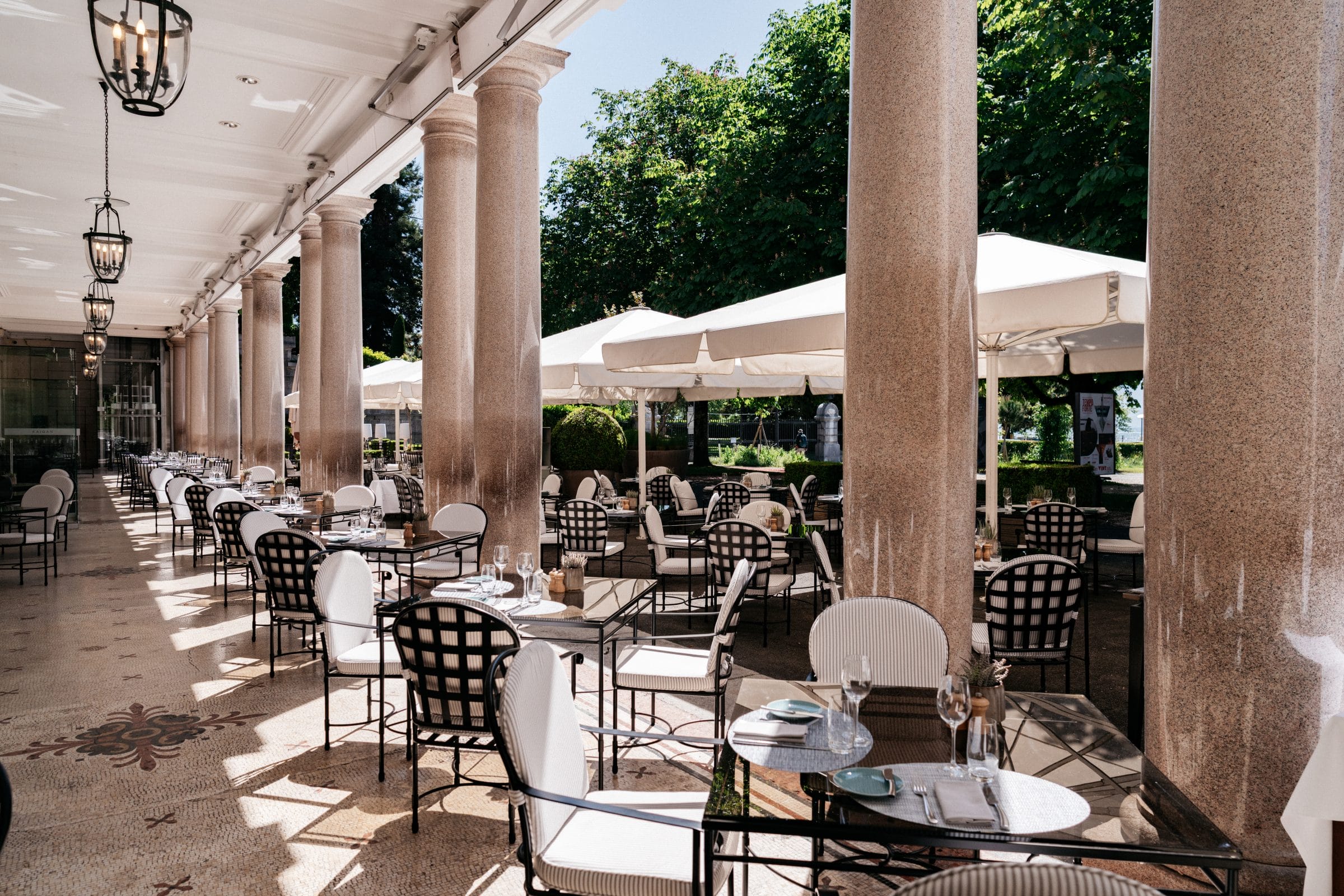
Set between Lake Geneva and its historic gardens, Beau-Rivage Palace has long been closely connected to the natural and cultural heritage of Lausanne. Its sustainability approach spans responsible sourcing, resource management and support for local communities, with the hotel also recognised through the Vaud Ambassadeur label for its commitment to the region.
This philosophy extends to its dining experiences, particularly at Café Beau-Rivage, where seasonal cuisine draws inspiration from the lake, mountains and surrounding Swiss terroirs. The restaurant also showcases wines from Vaud, Lavaux, Valais and Neuchâtel, bringing the region’s agricultural and culinary heritage to the table. By following the seasons and placing Swiss terroir at the heart of its cuisine, the hotel demonstrates how celebrating local produce and regional heritage can be an integral part of sustainable dining.


