


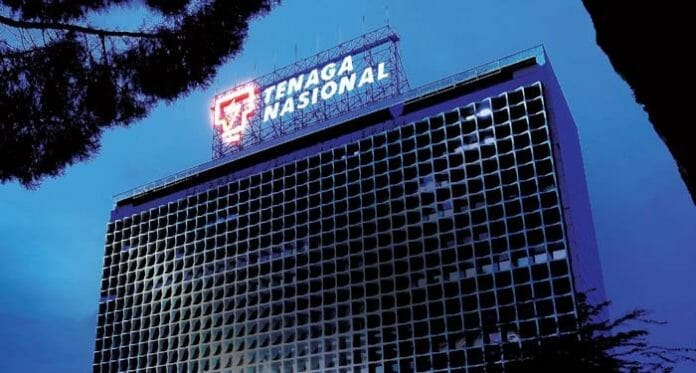
Tenaga Nasional Bhd clarified that the Automatic Fuel Adjustment (AFA) mechanism is not a new additional charge on electricity bills, saying consumers have received RM3.1 billion in AFA rebates compared with RM800 million in surcharges since the mechanism was introduced.
In a statement responding to concerns over electricity bills, the utility said AFA was implemented on July 1, 2025 following the restructuring of electricity tariffs, replacing the previous Imbalance Cost Pass-Through (ICPT) mechanism.
TNB said AFA is a two-way adjustment mechanism reflecting changes in fuel costs and foreign exchange rates and does not generate additional profit for the company.
Under the current tariff structure, domestic consumers using 600kWh or less a month are fully protected from AFA surcharges. Consumers within this usage category are also exempt from the 8% service tax and retail charge.
TNB said households within the category are paying about 2% to 14% less under the new tariff structure compared with the previous tariff, depending on their electricity consumption.
According to TNB, consumers benefited from AFA rebates for nine consecutive months from August 2025 to April 2026 as fuel costs remained favourable.
Surcharges were only introduced from May 2026 after electricity generation costs increased following the crisis in West Asia.
TNB said the government had also channelled an additional RM435 million through the Electricity Industry Fund (KWIE) to reduce the impact of AFA surcharges on consumers.
For September 2026, the AFA rate has been set at a surcharge of 3.67 sen per kWh, following verification by the Energy Commission.
The utility stressed that the AFA mechanism alone should not be viewed as the cause of sudden increases in monthly electricity bills, noting that usage patterns can also change due to festive periods, school holidays and increased working from home.
TNB said consumers could manage their bills by monitoring usage through the myTNB application, adopting energy-efficient practices and shifting electricity consumption to off-peak periods under the Time of Use (TOU) scheme.
Under TOU, lower tariff rates apply during off-peak hours from 10pm to 2pm on weekdays, as well as throughout Saturdays, Sundays and public holidays.
TNB also highlighted rooftop solar schemes such as Solar ATAP and SuRIA Home, under which eligible consumers can receive rebates of up to RM3,000 for a 5kWac system, with an estimated payback period of around eight years.
The utility said it remained committed to ensuring electricity bills reflect actual costs while maintaining protections for lower-usage domestic consumers.


