


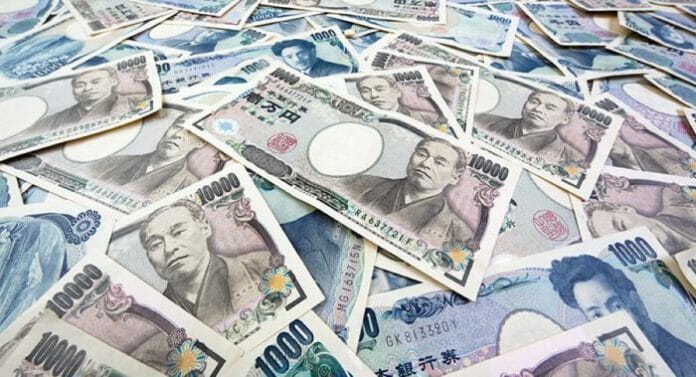
The yen’s sharpest rally in 18 months is facing a crucial test this week as investors bet on a faster pace of Bank of Japan (BOJ) rate hikes, raising the risk of a sharp reversal if the central bank fails to meet those expectations.
The yen climbed nearly 5% against the US dollar earlier this month after a more hawkish shift in BOJ rhetoric, reinforced by US Treasury Secretary Scott Bessent calling on the central bank to “do the right thing”.
The currency reached a nearly seven-month high of 152.89 per dollar last week as markets priced in the possibility of the BOJ raising rates once every quarter, taking the policy rate above 2% over the next year compared with 1% currently.
Masafumi Yamamoto, chief currency strategist at Mizuho Securities, said markets may already be expecting too much from the BOJ ahead of its Friday policy decision.
“Even if the BOJ hikes this time, it will be hard for the BOJ to be more hawkish than what the market expects,” he said, while flagging the risk of the yen retreating towards 157 per dollar.
“The market is pricing in too much. Above 2% for the terminal rate is too high. It will damage the Japanese economy.”
The yen’s rally has also been supported by speculation that Japan’s roughly US$2 trillion Government Pension Investment Fund (GPIF) could repatriate more capital for domestic investments. However, analysts say the impact of any such move could be slower and smaller than markets expect.
Yield Gap Still A Problem
A key challenge for the yen remains the interest rate gap between Japan and the US.
Markets now see a US Federal Reserve rate hike on Wednesday as almost certain, followed by further quarterly increases over the next 12 months. This could offset the impact of a more hawkish BOJ.
The 10-year bond yield gap between the two countries is expected to remain around 200 basis points, maintaining one of the key structural pressures that have weighed on the yen for much of the past decade.
Japan’s reliance on imported oil is another concern, particularly amid the US-Israeli war on Iran and higher energy costs.
The combination could encourage traders to rebuild carry trades, where investors borrow cheaply in Japan and use the funds to buy higher-yielding assets elsewhere. Those positions were heavily unwound during the yen’s recent rally.
Yen Shorts Could Return
Speculative positioning in the yen has shifted sharply following the rally. Commodity Futures Trading Commission data showed net long yen positions for the first time since February.
However, analysts see the clearing out of short positions as potentially negative for the currency because it gives traders room to rebuild bearish bets.
Japanese investors also continue to direct money overseas. They poured 1.3 trillion yen, or about US$8.4 billion, into foreign equities in August, the biggest shift towards overseas shares in five months, according to Finance Ministry data.
The continued strength of US-focused AI investments could further encourage Japanese capital to remain abroad.
GPIF Hopes May Be Overdone
Speculation over a potential shift by the GPIF towards Japanese stocks and bonds intensified after minutes from a recent governing board meeting showed that its “basic portfolio” was discussed.
The speculation was fuelled by the unusual timing of the meeting and the fact that a similar discussion in March had concluded that no review was needed.
Japan’s 10-year government bond yield has since climbed around 100 basis points to above 3% for the first time in three decades. Prime Minister Sanae Takaichi and Finance Minister Satsuki Katayama also called in July for pension funds to invest more domestically.
The GPIF declined to comment on the speculation but said it assesses its portfolio annually.
Analysts remain sceptical about the potential impact. The fund’s governance framework requires it to minimise its impact on markets, meaning any change in allocation would likely be spread over several months.
Koichi Sugisaki, Morgan Stanley’s head of Japan macro strategy, said any repatriation would “only be a temporary flow, much like forex intervention,” and would not change fundamentals that point to a yen rate of 167 per dollar.
There is also a question over whether the GPIF would have much incentive to increase its exposure to domestic bonds.
Even with Japanese yields around 3%, returns would remain below the GPIF’s target return of 1.9% plus nominal wage growth, which Morgan Stanley estimates at between 3% and 3.5%.
“GPIF has little incentive to increase its allocation to domestic bonds,” Sugisaki said.
Reuters


