



Malaysia’s sustainability conversation often centres on cleaner technologies and the eventual transition towards electric mobility, but there is another issue that is already sitting on the country’s roads: what happens to the millions of motorcycles already in use?
With more than 18.9 million registered motorcycles in Malaysia, extending the useful life of existing vehicles could form another part of the country’s approach to reducing waste and making better use of resources, according to iMotorbike CEO and co-founder Gil Carmo.
Speaking exclusively to BusinessToday, Carmo said the pre-owned motorcycle market can contribute to a circular economy by keeping vehicles in use for longer rather than replacing them before they have reached the end of their usable lifespan.
“The pre-owned motorcycle market naturally supports the circular economy because it gives motorcycles a second life instead of replacing them before they have reached the end of their usable lifespan,” he said.
That means the sustainability question is not necessarily limited to how quickly consumers can move towards newer technologies, but also how responsibly existing vehicles are maintained, repaired, resold and eventually retired.
The Existing Fleet Is Part Of The Equation
Malaysia already has a large motorcycle population, with many of those vehicles ageing. That creates a sustainability question that sits alongside the push for cleaner technologies.
Carmo said the country needs to consider how existing vehicles can continue to be used safely rather than treating sustainability solely as a question of replacing older vehicles with newer ones.
“As the country strengthens its sustainability agenda, including the upcoming National Climate Change Bill, the conversation shouldn’t focus solely on new technologies,” he said.
“We also need to look at how we extend the useful and safe usage of what we currently have on the roads.”
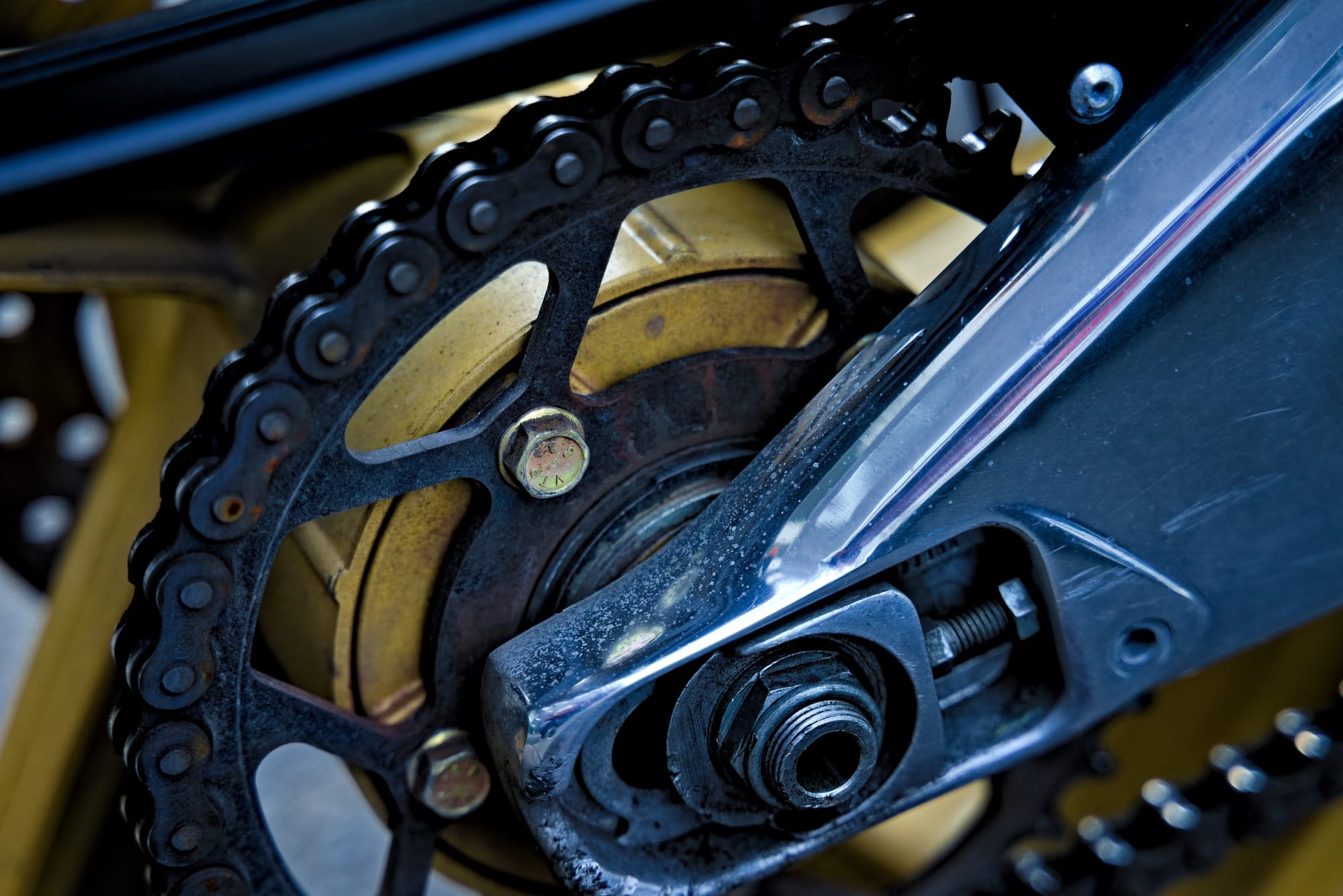
The distinction is important. Extending a motorcycle’s life is only meaningful from a sustainability and public safety perspective if the vehicle remains roadworthy. Simply keeping older motorcycles on the road without proper maintenance would not address the issue.
For Carmo, responsible resale, refurbishment and regular maintenance are therefore central to the equation.
“Through proper refurbishment and regular maintenance, these motorcycles can continue operating safely and efficiently instead of being left unused or replaced too early,” he said.
But A Longer Life Also Requires Standards
The pre-owned market brings its own challenge: consumers need to know whether a motorcycle being sold to them is actually safe and fit for continued use.
Carmo said refurbishment cannot simply mean making an old motorcycle presentable for resale.
“A structured refurbishment process is important, as it goes beyond simply getting a motorcycle back on the road,” he said.
At iMotorbike, he said each motorcycle acquired undergoes a 170-point inspection, with repairs and refurbishment carried out where necessary before the motorcycle is sold.
The broader issue, however, extends beyond any one company’s process. If the pre-owned market is to play a meaningful role in circular consumption, buyers need greater confidence that used motorcycles have been properly assessed and maintained.
That also puts pressure on businesses in the sector to make sustainable choices practical rather than expecting consumers to prioritise them at the expense of affordability or convenience.
“Consumers always look for options that are cost-effective, convenient and trustworthy,” Carmo said.
Affordability Is Still A Major Driver
The sustainability argument also has to contend with why people buy used motorcycles in the first place.
For many riders, particularly those relying on motorcycles for commuting, affordability remains a more immediate consideration than environmental impact.
Carmo said many customers are looking for practical motorcycles such as kapcai models for daily use, while demand also exists for larger and more premium motorcycles.
“Cost-effectiveness remains one of the biggest drivers of demand for pre-owned motorcycles, especially as living costs continue to rise,” he said.
This means the environmental benefits of a stronger second-hand market may be partly tied to an economic reality: consumers already have reasons to keep using motorcycles for longer.
The challenge is ensuring that affordability does not come at the expense of safety, transparency or reliability.
Carmo said there are signs that consumers are increasingly willing to consider used motorcycles beyond the idea of them being a last resort, provided those concerns are addressed.
“It is becoming clear to us that our customers are not viewing second-hand motorcycles as a last resort; they are increasingly recognising them as a practical and sustainable alternative when quality, reliability and transparency are assured,” he said.
The Transition To Cleaner Mobility Will Take Time
None of this removes the need for cleaner transport technologies.
Carmo acknowledged that electric mobility will increasingly form part of the transport ecosystem and contribute to efforts to reduce environmental impact.
But Malaysia is not starting that transition with an empty road.
Millions of motorcycles are already being used for commuting, deliveries and everyday transport. Replacing that entire existing fleet will take time, while manufacturing and deploying newer vehicles also involves its own use of materials and resources.
“Improving how existing motorcycles are maintained, refurbished and reused can deliver meaningful benefits while the industry gradually transitions towards newer technologies,” Carmo said.
The argument, therefore, is less about choosing between extending the life of existing motorcycles and adopting cleaner technologies, and more about recognising that both are part of the transition.
“A balanced sustainability approach should look at both future innovation and improving the lifecycle of vehicles already in use,” he said.
For Malaysia, that leaves a more immediate question alongside the push for new mobility technologies: how much more useful life can safely be extracted from the vehicles already on the road, and what standards are needed to make that possible?
“By extending product life and reducing unnecessary waste, we can continue making progress today while supporting the longer-term shift towards cleaner mobility solutions,” Carmo said.


