Home Blog Page 3552

Over 160 Dead, Hundreds Injured After 5.6 Earthquake Hits Indonesia

Indonesian rescue workers were racing today to reach people still trapped in rubble after an earthquake devastated a West Java town a day earlier, killing at least 162 people and injuring hundreds, as officials warned the death toll may rise.

The epicentre of the shallow 5.6-magnitude quake was close to the town of Cianjur in a mountainous area of Indonesia’s most populous province. The tremor on Monday afternoon prompted panicked residents to flee onto the streets as buildings collapsed.

Overnight a hospital parking lot in Cianjur was inundated with victims, some treated in makeshift tents, others hooked up to intravenous drips on the pavement, while medical workers stitched up patients under the light of torches.

“Everything collapsed beneath me and I was crushed beneath this child,” Cucu, a 48-year-old resident, told Reuters, from the crowded hospital parking area.

“Two of my kids survived, I dug them up… Two others I brought here, and one is still missing,” she said through tears.

AP

On Tuesday morning, hundreds of police officers had been deployed to assist in rescue efforts, Dedi Prasetyo, national police spokesperson told the Antara state news agency.

“Today’s main task order for personnel is to focus on evacuating victims,” he said.

At least 162 people were killed in yesterday’s quake, many of them children, with more than 300 injured, West Java Governor Ridwan Kamil said, warning some residents remained trapped in isolated places.

Authorities were operating “under the assumption that the number of injured and death will rise with time”, he said.

The national disaster agency (BNPB) said it had confirmed the deaths of 62 people, but had not verified 100 additional victims.

On Tuesday, officials were working to reach the area of Cugenang, which had been blocked off by a landslide.

Rescue efforts were complicated by electricity outages in some areas, and more than 80 aftershocks.

The earthquake, which was felt strongly in the capital Jakarta, some 75km (45 miles) away, damaged at least 2,200 homes and displaced more than 5,000 people, the BNPB said.

Straddling the so-called “Ring of Fire”, a highly seismically active zone where different plates on the earth’s crust meet, Indonesia has a history of devastating earthquakes.

In 2004, a 9.1 magnitude quake off Sumatra island in northern Indonesia triggered a tsunami that struck 14 countries, killing 226,000 people along the Indian Ocean coastline, more than half of them in Indonesia. ― Reuters

For the latest Business News and happenings, follow BusinessToday on Twitter
Pending for Catalysts, HSI Futures in Consolidating Stage Until Positive Momentum Picks Up

0

RHB Research has maintained long positions on HSI futures.

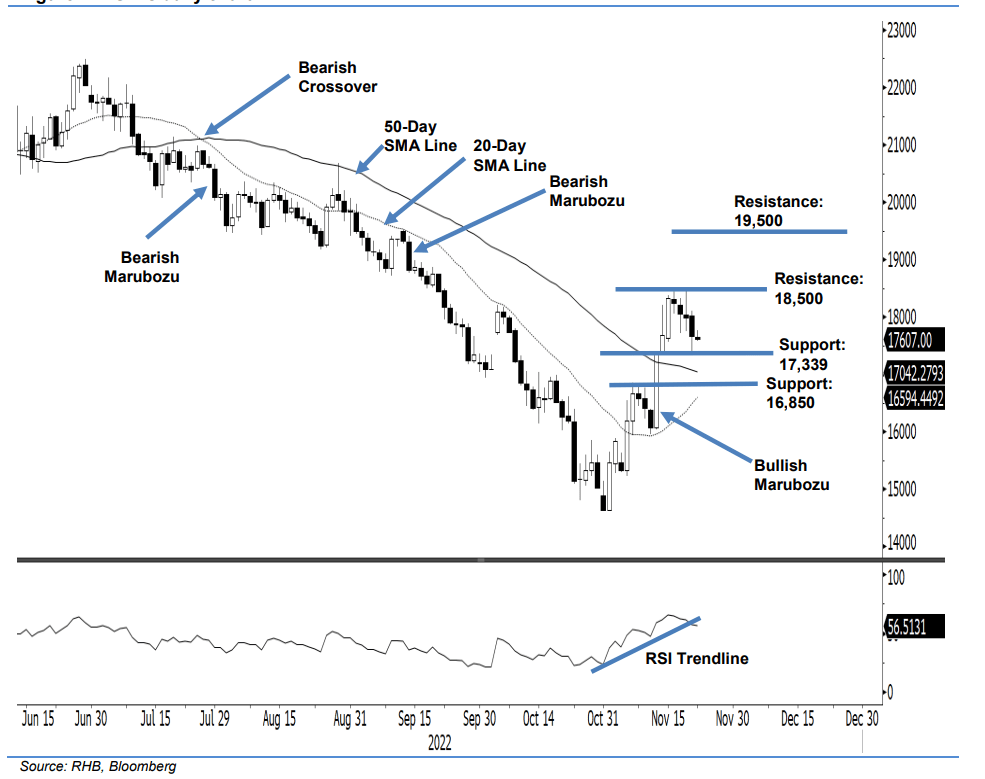
The HSIF pulled back for the fourth consecutive session, retracing 329 points to close at 17,664 points. Yesterday, the index began trading at 18,020 points. At one point in the morning, it fell sharply towards the 17,395-pt day low before rebounding and moving sideways. It then closed at 17,664 points and charted a long lower shadow. In the evening, it retreated 57 points and last traded at 17,607 points. The price action shows that the index is respecting the 17,339-point support. With the index approaching the 50-day SMA line, buying pressure has emerged. As long as the index is able to stay above the 50-day SMA line, we regard the bullish setup as remaining intact. For the coming sessions, the index should continue to consolidate above the moving average line until momentum picks up again. The research house still retains our positive bias but adjust the stop-loss higher.

Traders should keep the long positions initiated at 16,657 points, or the close of 7 Nov. To minimise the downside risks, the stop-loss is revised to 17,339 points from 16,850 points.

The immediate support remains unchanged at 17,339 points – 14 Nov’s low – with the lower one at 16,850 points. Towards the upside, the first resistance is kept at 18,500 points, followed by 19,500 points.

Stock Picks of the Day: Yinson Holdings, Lion Industries Corp

0

Yinson Holdings

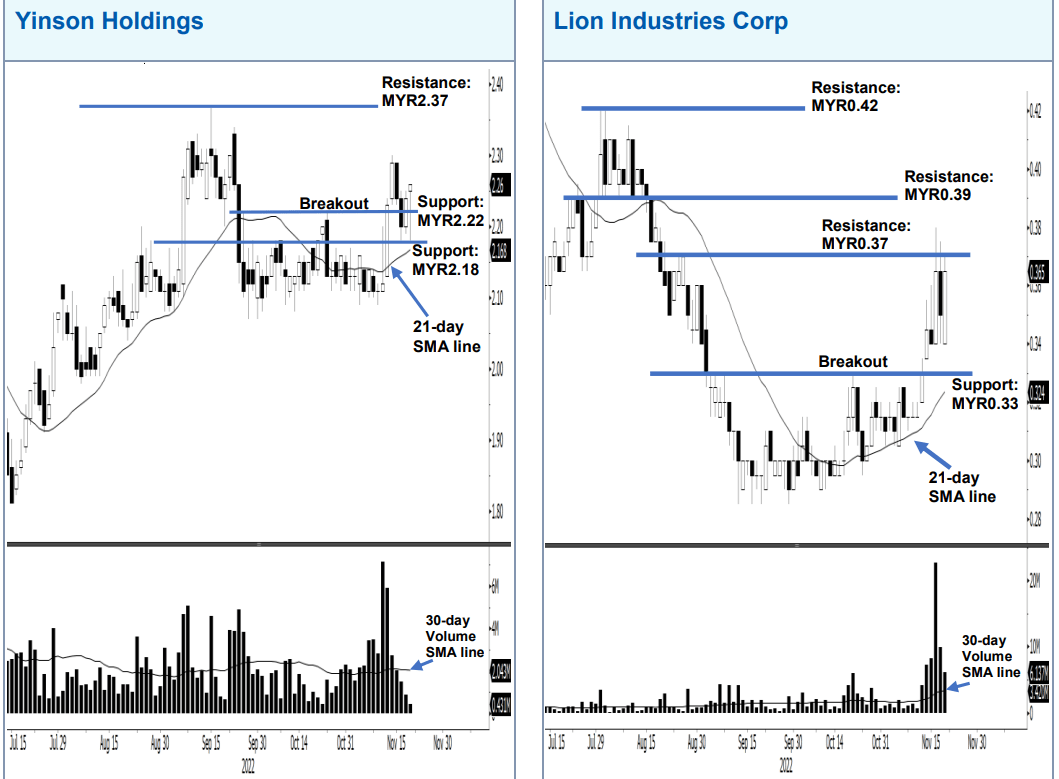
This counter, as cited by RHB Research’s technical analysis report (Nov 22), is set to rebound towards its 10-week high as it bounced off its 21-day average line while reclaiming above the MYR2.22 previous breakout – this follows the recent pullback. Since it has formed a “higher low” bullish pattern above the average line, the bullish momentum above the breakout level may continue to dominate – propelling the stock towards the 10- week high of MYR2.37, which was 15 Sep’s high. This is followed by MYR2.52, ie the highest level since 13 Jan. Conversely, the momentum may lose steam if the counter falls below the MYR2.18 support, forming a “lower low” bearish structure beneath the average line.

Lion Industries Corp

Lion Industries is poised to resume its recent uptrend as it rebounded strongly yesterday from Friday’s pullback. It tested the MYR0.37 immediate resistance while forming a “higher low” bullish structure. If it manages to surpass the immediate resistance, the bullish momentum will move the stock higher towards the MYR0.39 next resistance before reclaiming its 4- month high at MYR0.42, ie 2 Aug’s high. The momentum may be reversed if it drops below the strong support of MYR0.33 –trading below the previous major breakout level.

STI Down 0.7%, Singapore Stocks Fall Amid Regional Declines

Singapore stocks finished Monday (Nov 21) with a loss of 0.7 per cent, with the Straits Times Index (STI) falling 21.61 points to 3,250.62.

Losers outpaced gainers 355 to 184 in the broader market, after 1.7 billion securities worth S$965.4 million changed hands.

This mirrored a downward trend in the Asia-Pacific region, which some analysts attributed to investors’ fears from fresh Covid-19 restrictions in China as cases rise.

South Korea’s Kospi fell 1 per cent, Hong Kong’s Hang Seng Index fell 1.9 per cent, the Jakarta Composite Index fell 0.3 per cent while the Kuala Lumpur Composite Index fell 0.1 per cent, The Business Times cited.

Japan’s Nikkei 255 bucked the trend, edging up 0.2 per cent at the closing bell on Monday.

“The recent news has been less good from China, where surging Covid cases have wobbled markets just as we were seeing an improvement in sentiment,” said Oanda’s senior market analyst Craig Erlam.

China has seen a surge in infections days after easing some restrictions from a strict zero-Covid policy. On Monday, officials in Beijing’s most populated districts closed schools and asked residents to stay home.

“Not only would fresh lockdowns in major cities take a sledgehammer to growth into year-end, but it could also complicate any plans that are being put in place to soften the zero-Covid policy next year. We’re back into uncertain territory, which could slow the recovery in stock markets,” Erlam said.

Frasers Logistics & Commercial Trust : BUOU -3.51% was the worst performer on the STI, losing 3.5 per cent or S$0.04 to close at S$1.10.

Singapore’s banking trio was also in the red. OCBC : O39 -0.8% and DBS : D05 -0.79% each lost 0.8 per cent, while UOB : U11 -0.73% fell 0.7 per cent.

The index’s best performer for the day was Jardine Matheson : J36 +1.58%, which climbed 1.6 per cent or US$0.73 to close at US$46.89.

For the latest Business News and happenings, follow BusinessToday on Twitter
Oil Not So Slick

Falling oil prices are often seen as good news for world markets, signaling weaker inflationary pressures as well as a boost to households’ purchasing power and corporate profit margins.

Crude’s current slump, however, is more of a mixed bag.

Oil slid to a 10-month low on Monday, accelerating a decline that has now reached around 15% in the last two weeks. The drivers of the drop – both short- and medium-term – are concerning.

The demand outlook in China is deteriorating as authorities there become mired in numerous battles against COVID-19 flare ups. Hopes Beijing will open up the economy soon seem fanciful, spelling trouble for a world already facing slowdown next year, even recession in many key economies.

Wall Street fell on Monday, with energy one of the worst performers. The S&P 500 energy sector index slid almost 3% to a four-week low before recovering. But after having surged around 60% this year – the only major S&P 500 sector to rise this year – there is plenty downside potential, Reuters reported.

China’s pandemic plight is also fueling safe-haven demand for the dollar – which rose strongly on Monday – and a stronger dollar tends to weigh on commodity and energy prices.

The benefits of lower oil this time around may not be so clear-cut. All else equal, a stronger dollar tightens financial conditions, which may be what policymakers want in the fight against inflation, but growth and risk appetite will suffer.

The eventual good news is the impact on inflation. Brent crude futures are at a 10-month low, which has dragged the year-on-year price rise down as low as 7%. In March it was over 100%.

But right now, oil’s slide is being driven by weakening demand, growth fears and a strong dollar. None of that is encouraging for investors or risk assets in the near term.

Three key developments that could provide more direction to markets on Tuesday:

– China’s Baidu earnings (Q3)

– Taiwan unemployment (October)

– Fed’s Mester, Bullard and George speak

For the latest Business News and happenings, follow BusinessToday on Twitter

U.S. Stocks Closes Mostly Lower Amid Worries About China Covid Surge

Energy sector stocks regained ground while computer hardware, housing, semiconductor and biotechnology stocks moved to the downside in the U.S. Uncertainty over the formation of a new government continued to weigh on the benchmark FTSE Bursa Malaysia KLCI (FBM KLCI) which closed at 1,447.96 points against 1,449.32 last Thursday. Malayan Banking Bhd (Maybank), IHH Healthcare Bhd and Hong Leong Bank Bhd slid lower, however, Public Bank Bhd, Petronas Chemicals Group Bhd, CIMB Group Holdings Bhd, Tenaga Nasional Bhd (TNB) were among the gainers.

After ending last Friday’s choppy session mostly higher, stocks moved back to the downside during trading on Monday. The tech-heavy Nasdaq showed a particularly steep drop after ending the preceding session little changed.

The major averages all finished the day in negative territory, although the Dow posted a relatively modest loss, edging down 45.41 points or 0.1 percent to 33,700.28. The Nasdaq tumbled 121.55 points or 1.1 percent at 11,024.51 and the S&P 500 slid 15.40 points or 0.4 percent to3,949.94, RTTNews cited.

Concerns about the outlook for the global economy contributed to the weakness on Wall Street amid a surge in new Covid cases in China.

China reported the death of three people after contracting Covid, marking the first Covid-related deaths that China’s mainland has reported since May.

The surge in new cases had led China to impose stringent restrictions in cities like Beijing and Shanghai, shattering recent hopes the country would soon ease Covid curbs.

“Stocks are lower as the global growth picture takes a hit following key China Covid lockdowns and as the US economy could have to deal with a massive rail worker strike before the holidays,” said Edward Moya, senior market analyst at OANDA.

He added, “Adding to the risk aversion tone are rising concerns that future Russian attacks on Ukraine’s nuclear power supply could be catastrophic.

Trading activity was relatively subdued, however, with some traders likely looking to get a head start on the upcoming Thanksgiving Day holiday.”

A lack of major U.S. economic data also kept some traders on the sidelines, although reports on durable goods orders and new home sales are likely to attract attention on Wednesday along with the minutes of the latest Federal Reserve meeting.

Sector News

Energy regained ground after an early sell-off but still ended the considerably lower, with the Philadelphia Oil Service Index tumbling by 2.3 percent and the NYSE Arca Oil Index falling by 1.5 percent.

The weakness among energy stocks came as the price of crude oil for December recovered after plunging to a ten-month low but still closed down $0.35 at $79.73 a barrel.

Computer hardware and semiconductor stocks also saw significant weakness on the day, contributing to the steep drop by the Nasdaq.

Housing and biotechnology stocks also moved to the downside, while some strength was visible among steel and utilities stocks.

Other Markets

In overseas trading, stock markets across the Asia-Pacific region moved mostly lower on Monday. China’s Shanghai Composite Index fell by 0.4 percent and Hong Kong’s Hang Seng Index tumbled by 1.9 percent, although Japan’s Nikkei 225 Index bucked the downtrend and edged up by 0.2 percent.

The major European markets also moved to the downside on the day. While the U.K.’s FTSE 100 Index edged down by 0.1 percent, the French CAC 40 Index dipped by 0.2 percent and the German DAX Index slid by 0.4 percent.

In the bond market, treasuries showed a lack of direction after failing to sustain an early upward move, closing roughly flat. As a result, the yield on the benchmark ten-year note, which moves opposite of its price, inched up by less than a basis point to 3.825 percent.

Looking Ahead

Trading activity is likely to remain somewhat subdued on Tuesday amid another quiet day on the U.S. economic front.

For the latest Business News and happenings, follow BusinessToday on Twitter
Lagenda Saw Its Q3 PATAMI Retreat 22% To RM35.7 Million

0

Lagenda Properties Berhad for the first nine months of the year saw its revenue increase by 8% YoY to RM632.0 million and profit after tax and minority interest was RM133.1 million.

In 3Q2022, the developer registered a slight 2% decrease in revenue to RM180.7 million, compared to RM185.2 million achieved in 3Q2021. PATAMI for 3Q2022 was RM35.7 million as compared to RM45.5 million in a similar quarter of the preceding year. The decline in PATAMI was mainly due to upfront costs incurred in preparation for multi-states project launches in the coming quarters and the provision for prosperity taxes. The group also announced the adoption of a dividend policy to payout at least 25% of its consolidated PATAMI as dividends, which will be effective in FY2022 and reviewed every two years.

Managing Director of Lagenda, Dato’ Jimmy Doh said “Our bookings and sales momentum continued to be healthy in 3Q2022. As of 30 September 2022, the Group’s unbilled sales stood at RM653.6 million and the majority of this will translate into revenue in the coming quarters. We currently have a presence in two states and aim to venture into two additional new states in 2023.

What to do if Your Car is Submerged in Flood Water

0

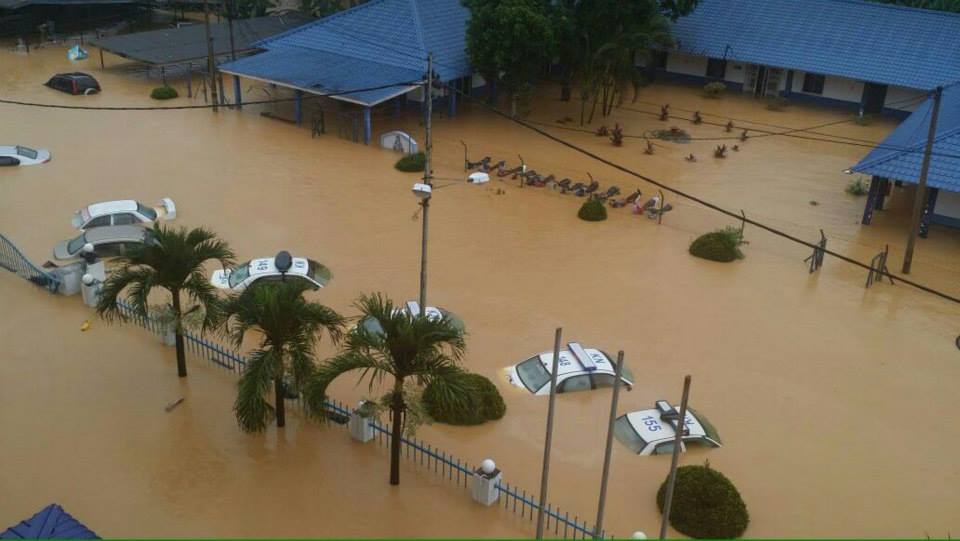
With floods now massively affecting hundreds and thousands of Malaysians, what do you do if your car has been submerged in water? Follow these steps according to Carsome and let’s hope the whole process will be easy and not worrisome for you.

Check the Water Level 

The first thing you need to do if your car is submerged in flood water is to wait for the water to recede before checking the condition of your car. Flood water usually leaves traces of mud on the surface of your car, especially on the exterior. Checking this is important to assess the possibility of damage and determine whether the flood water has submerged the entire car and has entered the engine and other parts of the car.

Do Not Start Your Engine 

If a flood has submerged your entire car including the cabin and engine bay, never start your car’s engine because that can cause a short circuit. Major components such as engines and gear systems can be damaged by the water. All you need to do is to remove the battery of your car and call a mechanic or tow it to a workshop.

Check the Engine & Gearbox 

Once your car is at the workshop, check the engine and the gearbox. Start by checking the dipstick of your engine. If the fluid appears milky, diluted, or beige in color, it’s highly likely that your engine has been flooded. exceeds the maximum line, this means your engine has been flooded. You can also drain the engine and inspect the oil in a pan.

Flush the Fuel (If Needed)

If the fuel tank is positioned on the lower side of your car, it increases the probability of flood water entering the tank. You then should remove the fuel that has been mixed with water to avoid more serious damage to your engine. Do check with your mechanic on how this process should be done.

Remove and Dry the Components of Your Car 

Any removable components in the car such as the radio, mats, and seats should be removed and dried properly. Wash your car with a heavy jet, especially the engine and brakes. However, never spray water towards the air filter holes and lubricating oil lids. Additionally, clean the dirt on the interior of your car like the cushions to avoid any kind of nasty odor. 

Cleaning a flood-damaged car is a huge task and best left to the professionals. You can get advice from your workshop, professional car wash, or professional cushion cleaner to get this job done effectively.

We hope this article will be able to help you if you ever have to drive your car in flood waters. Do remember it’s always safer to leave your car if the flood starts to get worse as your life is much more important to us. If there is a need to drive in the rain, it would be best to check the map app on your phone such as Google Maps or Waze to determine if it’s safe to drive.

Westport Receives 10 Year Investment Tax Allowance From MOF

0

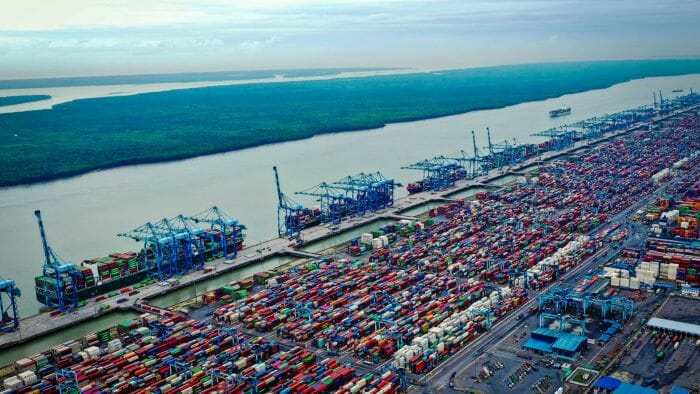
Westport Berhad has announced that its wholly-owned subsidiary, Westports Malaysia Sdn Bhd has received Ministry of Finance approval with respect to the granting of a ten-year investment Tax Allowance. The ITA granted is for the period from 1 January 2022 to 31 December 2031, and has been granted in order to facilitate the capital expenditure to be incurred by WMSB with respect to existing and future expansion programme.

As part of the ITA, fifty percent of the qualifying capital expenditure incurred by WMSB within the stipulated ten-year period can be offset against its statutory taxable income for each year of assessment within the stipulated ten-year period. The ITA, Westport said was granted following consultations with the Ministry of Finance and with the conditions, among others, that WMSB is required to incur a minimum of RM4.0 billion in capital expenditure with respect to its terminals during the stipulated ten-year period.

Meanwhile, Kelantan Gets Its First Uniqlo

0

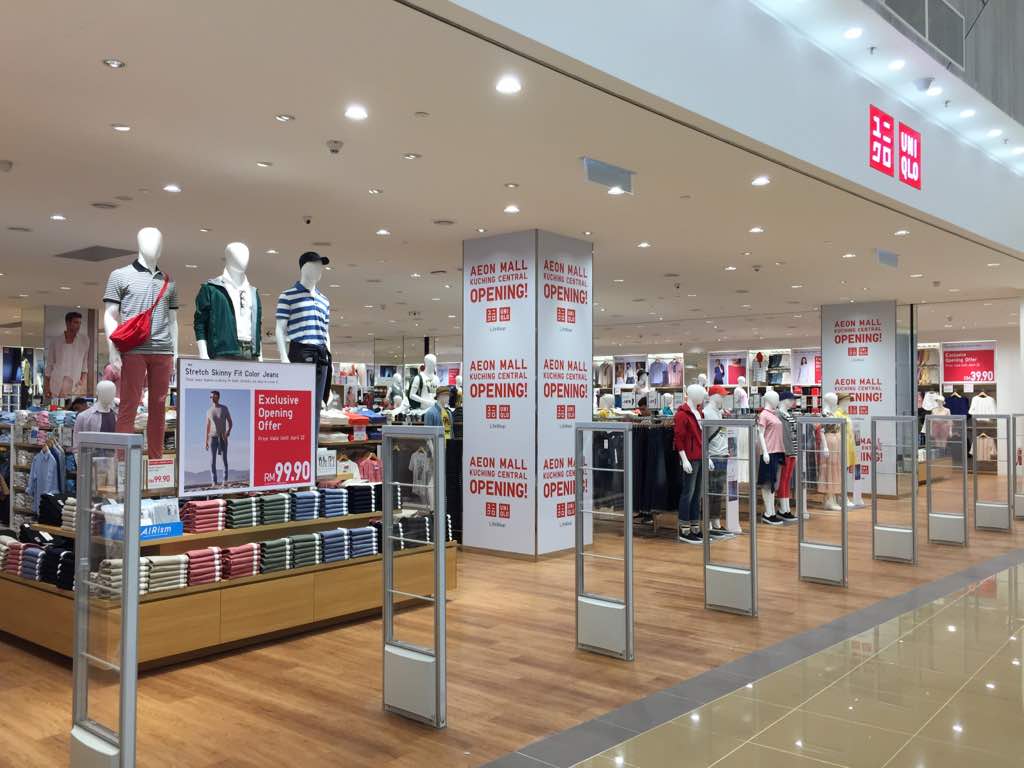
While the country is at a standstill awaiting the pending results on which coalition will form the next government is it the one with Kelantan’s PAS or Penang’s DAP, Uniqlo has just launched its first outlet in Kelantan.

The outlet is situated in AEON Mall Kota Bharu and in conjunction with the new store opening, customers can expect attractive offers that are exclusive and limited to the opening month. Uniqlo said it will also be doing its part for the local community by providing underprivileged children in the state with a memorable in-store shopping experience and clothing for the holiday season.

The new store will feature a wide range of UNIQLO LifeWear clothing for men, women, and children including popular UNIQLO lines, such as AIRism – an innovative and functional material that is breathable and moisture-wicking for optimal comfort in Malaysia’s hot and humid weather, available in a wide range of clothing from t-shirt, mask, innerwear, outerwear, hijab and more; UNIQLO core collection – from tops and bottoms, including jeans for work and leisure, loungewear and sports utility wear for both men and women, clothes for kids and babies as well as accessories like shoes, belt, and bags; and UT or UNIQLO T-shirts that offer an array of authentic pop culture and art graphics from around the world, allowing the wearer to express their individuality.

Whatever the outcome, Kelantan folks can now look stylish in their Uniqlo clothes.

MSM Reports RM72.8 Million In Loses Attributes To Input Cost And Weakening Ringgit

0

The Group recorded a total revenue of RM668.13 million in the current quarter compared to the preceding quarter of RM624.20 million due to higher overall sales volume and average selling price.

The Group recorded LAT of RM72.80 million for the three months period ended 30 September 2022 compared to the preceding quarter of RM34.07 million. The higher loss recorded in this quarter was attributable to high input costs mainly freight, natural gas, and the weakening of the Ringgit.

The Group said it continues to face the prevailing challenging environment amidst high input costs mainly raw sugar, freight,
natural gas, and the weakening of the Ringgit. Other input costs such as packaging materials, wages, and inland
logistics have also increased significantly

The domestic and export markets are seeing stronger demands which provide growth opportunities and recovery of
product consumption including sugar across Consumer and Industrial segments.

MSM however reiterated that it remains focused on meeting these demands by improving its operations particularly focused on MSM Johor ramp-up to attain lower refining costs with higher efficiency. It will also ensure a consistent supply of sugar is made available to the market and continue to engage the Government for all necessary economic support in ensuring food security despite the challenges

Taliworks Records RM15.4 Million PAT, Declares Third Interim Dividend

0

Taliworks Corporation Berhad for its quarter under review recorded revenue of RM91.3 million and a profit after tax of RM15.4 million. This the group said translates to a growth of 6.5% and 24.5% respectively in comparison to Q2FY2022.

In Q3FY2022, the Group’s water treatment, supply and distribution segment posted a higher revenue of RM46.8 million, due to higher metered sales, electricity and chemical rebates from the Sungai Selangor Water Treatment Plant Phase 1 operations. Revenue from the construction segment increased to RM15.2 million mainly due to contributions from Packages 2 and 3 of the Sungai Rasau Supply Scheme (Stage 1) works contract. In addition, the Group’s toll highway segment and renewables segment recorded revenue at RM21.9 million and RM6.2 million respectively for Q3FY2022.

With attributes from the above, Taliworks registered a revenue of RM251.9 million and recorded profit before tax and PAT of RM56.8 million and RM39.3 million respectively for the nine-month financial period ended 30 September 2022 (“9MFY2022”).

Commenting on the Group’s performance, Executive Director Dato’ Ronnie Lim Yew Boon said, “Taliworks continues to perform steadily as we navigate cautiously through 2022. While the current economic and geopolitical climate has brought much uncertainties, I am pleased that our business and various income streams remain resilient in generating consistent cash flow to support our ongoing dividend policy. Moving forward, the team remains motivated in executing the business strategies to look for sustainable recurring income streams in order to elevate to greater heights and reward our loyal shareholders. Overall, we are optimistic that we will be able to finish off the year on a positive note.”

The Board of Directors has declared a third interim single-tier dividend of 1.65 sen per share on 2.02 billion ordinary shares, amounting to RM33.3 million, which shall be paid on 23 December 2022. To date, it has declared a total dividend payout of 4.95 sen per share in respect of FY2022.

GE15: An Eager Malaysia Awaits, Where Does Truth Lie?

0

Anxiety is now being felt by people from across all walks of life in Malaysia over the pertinent question as to who will be the 10th Prime Minister and which coalition is to form government days after the 15th General Election (GE15) on Nov 19.

A total turnout rate of about 73% of voters in Malaysia went out to cast their ballots in hopes of a brighter future for the country.

The GE15 this year is historic because it is the first time all voters, including those aged 18 and above, were automatically registered. It was also the first time in democratic history that Malaysia experienced a hung Parliament.

Pakatan Harapan (PH) chairman Datuk Seri Anwar Ibrahim confirms that he is the sole candidate for Prime Minister in joint negotiations with Barisan Nasional (BN) earlier today. PH won 82 seats at GE15, placing them as the largest bloc to form a government.

“Well yes, I am the prime minister candidate, said Anwar, adding, Pakatan Harapan has exceeded the required 112-seat simple majority required to form the next government.

“We have exceeded, it’s comfortable,” said Anwar when met by reporters as left the hall after holding a press conference at the Seri Pacific Hotel here on Monday (Nov 21), when asked to comment on the majority that PH has secured.

On the other side of the divide, Perikatan Nasional (PN) stated the coalition has submitted statutory declarations (SD) from MPs to show that the coalition has achieved the majority needed to back its chairman Tan Sri Muhyiddin Yassin as the next prime minister.

“The number of SDs submitted is more than 112, which is the majority vote needed from MPs for the appointment of the prime minister under Article 43 of the Federal Constitution,” said PN secretary-general Hamzah Zainudin.

PH won 82 seats, PN (73), Barisan Nasional (30), Gabungan Parti Sarawak (22),  Gabungan Rakyat Sabah (6), Warisan (3), Independents (2) and Parti Bangsa Malaysia (1) in the 15th General Election.

Out of the 222 seats in the Dewan Rakyat a simple majority to form government of 112 seats is needed. So, both parties claiming they have 112 or more seats does not compute.

Who is telling the truth, or is it merely perceived? Malaysia should know on Tuesday.

MAHB Signs New 99 year Land Development Agreement With Malaysian Government

0

Malaysia Airports Holding Berhad said it has multiple agreements with the Government of Malaysia for the development and operations of Kuala Lumpur International Airport including Land Lease and Land development agreement at the KLIA zone

The airport operator has the Operating Agreement between GoM, MAHB, and Malaysia Airports (Sepang) Sdn Bhd which gives it a management contract of the airport from 2009 for a period of 25 years until 2034; and a Lease Agreement between the Federal Lands Commissioner and from 2009 for a period of 25 years until 2034.

Accordingly, it said consistent with other airports in developed countries, MAHB established a wholly owned subsidiary, KLIA Aeropolis Sdn Bhd to focus on attracting and developing economic activities within the vicinity of KLIA. Based on engagements with various potential investors and businesses, the company said it acknowledged the challenges faced by these investors and businesses in obtaining a palatable return on investment due to the short remaining tenure of the land lease.

Since then, it had engaged with GoM to structure better terms to increase both domestic as well as foreign direct investments. This has since been approved by the Government on the principal terms of the Land Lease Agreement and Development Agreement. Subject to the finalisation of the agreements where a Development Agreement between KASB and the GoM to formalise the acceptance of the grant of development rights by KASB in respect of forty-one lots of land measuring 8,537.3137 acres in total for a period of ninety-nine years commencing where KASB has been given the right to plan, design, develop and construct the KLIA Aeropolis Lands.

Meanwhile, the LLA between KASB and FLC formalised KASB’s acceptance of a ninety-nine-year lease of the KLIA Aeropolis Lands.

The Supplemental Agreement between MA Sepang and the GoM is intended to vary the terms and conditions of the OA to carve out the KLIA Aeropolis Lands from the OA for the development of KLIA Aeropolis. Meanwhile, the supplemental agreement between MA Sepang and FLC is intended to vary the terms and conditions of the LA to carve out the KLIA Aeropolis Lands from the LA for the development of KLIA Aeropolis.

Therefore, consequent to the above, MA Sepang will retain the remaining forty-seven lots of land measuring approximately 23,111.04 acres for the continued purposes of KLIA airport operations, to be held under the OA and LA.

The execution of the agreements as well as the development of KLIA Aeropolis, is expected to contribute positively to the future earnings of MAHB Group.

LBS’ Profit After Tax Soars By 96% In Q3FYE22

0

LBS announced its third quarter results for the financial year ending 31 December 2022.

For the quarter under review, LBS delivered a strong set of financial results driven by an impressive revenue of RM528.9 million, which translated to a year-on-year increase of 108% from RM254.0 million in Q3FYE21. In addition, profit after tax and profit after tax and non-controlling interests (PATMI) increased by 96% and 95%, year-on-year, from RM20.0 million to RM39.2 million and from RM18.1 million to RM35.4 million respectively. 

On a segmental basis, property development remained the Group’s main earnings contributor whereby revenue doubled from RM243.2 million to RM512.2 million in Q3FYE22. The increase was largely attributable to the positive take-up rates of the Group’s key projects at Bukit Jalil, LBS Alam Perdana, KITA @ Cybersouth and Alam Awana Industrial Park. To add on, the Group reported that development projects within the Klang Valley accounted for more than 85% of the Group’s revenue for the current financial period.

For the nine months ended 30 September 2022, revenue and PATMI surged by 46% and 69% respectively to RM1.3 billion and RM100.6 million as compared to the corresponding period in 2021.

The Group further announced that as at 21 November 2022, it has surpassed its property sales target of RM1.6 billion by 14% as it stood at RM1.83 billion. As at 31 October 2022, the Group has a land bank for future development of 2,663 acres and a healthy unbilled sales of RM2.54 billion. 

Commenting on the results, LBS Executive Chairman Tan Sri Lim Hock San said, “LBS has performed remarkably well this quarter and I am indeed pleased by our results. It is encouraging to note that demand for affordable properties continues to remain strong. The strategic locations of our developments and affordable pricing have paid off handsomely as we have managed to maintain our performance throughout 2022. Exciting times are ahead for the remainder of the year as we intend to launch RM424 million worth of properties in the fourth quarter. This should provide us with leverage to close off 2022 on a positive note.”

He added, “According to Bank Negara Malaysia, Malaysia may face a challenging economic climate in 2023, as the worsening supply chain, geopolitical uncertainty and market volatility could upset growth. However, we are cautious of these negative factors and believe with our focused and strategic hands-on approach, we should be able to minimise disruptions to our business in the quarters ahead.”

Sonic The Hedgehog Co-Creator Arrested Over Insider Trading

0

The co-creator of classic video game series Sonic the Hedgehog has been arrested for alleged insider trading, according to public prosecutors in Tokyo.

Yuji Naka, a 57-year-old programmer known for making Sonic and other major titles at Japanese game firm Sega, was arrested on Friday, a prosecution document obtained by AFP said.

His alleged misdeed took place nearly three years ago, when Naka was an employee at “Final Fantasy” creator Square Enix, the Tokyo District Prosecutors Office document said, according to AFP.

Naka is accused of buying shares in another game company, Aiming, when he knew they were going to release a new title jointly developed with Square Enix.

He purchased 10,000 shares in Aiming for 2.8 million yen (about RM91,410) in January 2020, according to the document, and the new game was announced the following month.

Prosecutors on Thursday arrested two other former Square Enix employees, also for alleged insider trading linked to Aiming.

Naka was not immediately reachable for comment, but his fans expressed surprise and disappointment on social media.

“Please tell me this isn’t true. He brought Sonic to life… I’m so sad,” one Twitter user wrote.

“He worked on many great games. So disappointing,” said another.

On the website of the game studio that Naka founded called Prope, the programmer said he wanted to create “games that surprise and entertain children around the world”.

Short-Term Interbank Rates Finish Stable On BNM Operations

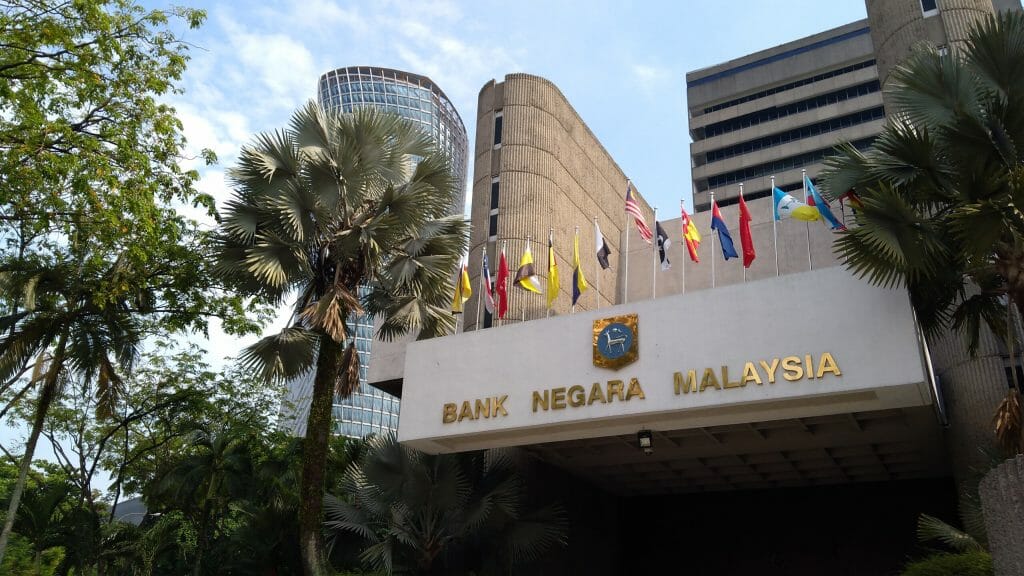
Short-term interbank rates closed steady today on Bank Negara Malaysia’s (BNM) operations to absorb surplus liquidity from the financial system.

Liquidity in the conventional system fell to RM48.33 billion from RM56.37 billion this morning while Islamic funds’ liquidity dipped to RM38.40 billion from RM43.10 billion.

Earlier today, the central bank called for three conventional money market tenders, three Qard tenders, and two reverse repo tenders.

At 4pm, it called for a RM48.30 billion conventional money market tender and a RM38.40 billion Murabahah money market tender, both for one-day money.

The Malaysia Islamic overnight rate (MYOR-i) stood at 2.73 per cent as of November 17, 2022.

Higher Average Tin Prices Drove MSC’s 9M2022 Revenue to RM1.112 Billion

0

Tin miner and metal producer announced its financial results for its third quarter (3QFY22) and nine months financial period ended 30 September 2022 (9MFY22) today.

For 9MFY22, Malaysia Smelting Corporation’s revenue increased by 35.4% year-on-year (YoY) to RM1,112.4 million, against RM821.5 million in the previous year’s corresponding period (9MFY21). Net profit also grew by 34.2% YoY to RM72.5 million from RM54.0 million a year earlier.

The improved performance was mainly attributable to higher average tin prices and refined tin production in the first nine months of 2022. During this time, tin prices climbed 22% to RM148,800 from RM121,500 per metric tonne (MT) in 9MFY21.

For third quarter of 2022 (3QFY22), average tin prices fell by 26% to RM104,700 from RM141,900 per MT in the prior year’s corresponding quarter (3QFY21).

The sharp drop in tin prices have impacted the financial performance of both MSC’s smelting and mining businesses during the quarter. The Group’s smelting arm posted a net loss of RM46.0 million in 3QFY22 (3QFY21: net profit of RM4.9 million).

Meanwhile, net profit for the mining operations fell by 72.6% to RM8.0 million on the back of lower tin prices and a one-off provision for legal case settlement of RM4.7 million.

The decline of tin prices can be attributed to a myriad of factors including concerns of a global recession which led to lower tin demand, compounded by the intermittent lockdowns in China following its zero-Covid policy. At the same time, fears of tin supply scarcity eased with the resumption of operations by smelters

As a result, MSC recorded a net loss of RM31.3 million in 3QFY22, exacerbated by longer-than-expected furnace outage due to logistic delay to secure specialized fire rated bricks and higher operating costs in relation to energy, fuel, reductant and furnace re-bricking costs during the quarter. Group revenue stood at RM344.1 million in 3QFY22.

“The decline in tin prices and higher-than-expected inflation have impacted MSC’s performance in 3QFY22. Our operational costs have risen as we recorded higher energy and freight prices due to the prolonged Russia-Ukraine war. In this volatile macroeconomic environment, MSC continues to remain vigilant while focusing on our efforts to strengthen the Group’s operational efficiencies,” Dato’ Dr. Patrick Yong, Group Chief Executive Officer of MSC remarked.

“At the Pulau Indah smelting facility, we look forward to higher production yield and efficiency using the more efficient Top Submerged Lance (“TSL”) furnace technology. We expect to generate cost savings of approximately 30% with lower manpower and carbon emissions,” Dato’ Yong added.

“As for our tin mining arm, we are continuously exploring ways to enhance our mining productivity at the Rahman Hydraulic Tin mine in Klian Intan. Additionally, the recent acquisition of Asas Baiduri allows us to further expand
RHT’s mining pit eastwards, contributing to higher mining output,” he elaborated.

“In conclusion, we are strengthening MSC’s foundation to allow us to better address the challenges and withstand external headwinds. Nonetheless, tin’s long-term prospects remain positive as tin has been identified as a key
component in emerging technologies, including for lithium-ion batteries for electric vehicles.”

For the latest Business News and happenings, follow BusinessToday on Twitter

Asian Bourses Mostly Ended in Red as COVID Cases Rise in China, FBM KLCI Dragged by Political Limbo

0

Kuala Lumpur, November 21 – Bursa Malaysia closed the Monday trading day in jittery mood, with the FBM KLCI ceded 1.36 point or -0.09% at 1,447.96. Due to the political limbo post 15th general election, the index opened lower at more than 1% and it narrowed its losses during the second half of the trading day.

Meanwhile, the Asian bourses fell on Monday amid growing Covid concerns in China. The rising cases saw the introduction of new lockdown measures in several economic hubs, including Beijing and Shanghai. Also dented mood due to its central bank kept the benchmark lending rates, or loan prime rates, on hold which is in line with expectations.

Hong Kong’s HSI stumbled by 1.87% at the close, leading losses in the wider region, whilst in mainland China, the Shanghai SSE Composite Index shed 0.39% to 3,085.04.

Bucked the regional trend was Japan’s Nikkei 225, it gained 0.16% at 27,944.79 at the close. It was lifted by the Berkshire Hathaway raised its stake in the country’s top trading houses.

** The FTSE BM KLCI opened at 1,434.55. The index fluctuated between 1,427.75 – 1,444.66.

** 378 counters are gainers, 362 counters are unchanged, while 510 counters are decliners.

** Total volume of 4,292,159,000 shares changed hands; while Turnover of RM 2,501,465,874

** The Top 5 Gainers: NESTLE (131.80, +1.60); MPI (26.82, +0.72); UTDPLT (14.60, +0.30); BAT (10.52, +0.28); RAPID (16.00, +0.22)

** The Top 5 Losers: HEIM (23.20, -1.54); CARLSBG (22.00, -1.20); PETDAG (22.16, -0.66); HEXTECH (12.58, -0.54); BLDPLNT (10.36, -0.44)

** The Top 5 Active: ASB (0.16, +0.035); DNEX (0.57, +0.065); MUIIND (0.10, +0.01); EDEN (0.195, 0.025); MASTEEL-WB (0.165, +0.08)

* Singapore’s Straits Times Index (STI) shed 26.41 points or -0.81% to 3,245.82; Hong Kong’s HSI ceded 336.63 points or -1.87% at 17,655.01; Japan’s Nikkei 225 Index climbed 45.02 points or +0.16% at 27,944.79; Shanghai’s SSE Composite Index dropped 12.20 points or -0.39% at 3,085.04; Korea’s Kospi Index down 24.98 points or -1.02% at 2,419.50; Australia’s S&P/ASX 200 Index dropped 12.50 points or -0.17% at 7,139.30.

For the latest Business News and happenings, follow BusinessToday on Twitter

Co-Creation and the Innovation Value Chain

0

The innovation process is characterised by two intended outcomes that are at times at odds with one another – complexity and speed. As technological innovation time to market shortens considerably, companies have increasingly explored new ways of expediting the innovative process. These include joint innovative centres, technology sandboxes, strategic alliances, and co-research facilities.

Digital transformation and the coming together of information technology giants such as IBM, Microsoft and Amazon is a case in point. Beyond simply creating state-of-the-art IT products, the collective expertise of IT and industry experts resulted in the charting of new pathways for digital solutions for the future.

Co-creation makes sense on so many levels, the least of which is the removal of barriers in technology and commerce which results in a faster return on investment and increasing the scope and scale of technological offerings. The innovation process inevitably faces issues including market uncertainties, insufficient talent, and financial constraints which are often times challenging for an organisation or entity to single-handedly address. Among these, co-creation provides a unique blend of control, cost, and time to impact.

Addressing the strategic needs of nations

Taking it a notch higher and going beyond the obvious benefits to companies and industries, co-creation is also a useful tool in addressing strategic needs of nations. The ability to move strategic initiatives at a fraction of the cost, increased speed and with multiple impact is an attractive proposition.

The ‘co-creation and succeeding together’ philosophy was employed in full force by the COVID-19 Turkey Platform in vaccine and drug development. Coordinated by the Scientific and Technological Research Council of Turkey (TÜBITAK) the project involved 436 researchers from 49 different institutions working on 17 vaccine and drug development projects. TÜBİTAK is currently collaborating on bilateral basis with 93 organisations in 65 countries through research and innovation collaboration projects, and researcher exchange programmes. In 2021, thirty-four distinct bilateral calls were initiated with 22 countries.

Extending the concept to the larger intent of national self-sufficiency for Malaysia, similar collaboration in strategic areas of food security, health, digitalisation, and energy among others, will prove beneficial. Co-creation and co-design, while in line with Malaysia’s own National Research and Technology (R&T) agenda, will tap upon a vast knowledge pool and edges the country further into the global supply chain.

Co-creation hits many birds with one stone. Development in the area of defence, for example, affects both civilian and military technologies advancement and use. Satellite technologies impact communication, agriculture and security, all key areas in the push for self-sufficiency. Unmanned Aircraft Systems (UAS), apart from having direct military use, are also immensely useful in the areas of search and rescue, weather monitoring, firefighting, logistics and distribution and healthcare.

Focused and concerted effort

What is key is a focused and concerted effort, soundly developed through deliberate design and not left to chance. Tracing the development of the nation through every significant milestone, one finds that organic growth has not resulted in much significant leap in Malaysia’s economic landscape. From the birth of the electronics industry, especially semiconductors resulting from the ‘knock-on doors’ efforts in the late 60’s and early 70’s, to the introduction of palm oil which supplemented as a major commodity earner, economic prowess has always been the result of bold forward-thinking measures.

A co-creation roadmap built on the MIGHT’s F.I.R.S.T framework of high technology ecosystem will put Malaysia in good stead in charting its own path to self-sufficiency and technological strength. It will build on skills and industries already of potential and Malaysia will not be starting from zero, but with a dynamic partner will do twice the job in half the time and double the impact. Technical skills and competencies will also improve substantially to levels required by the sophisticated requirements of industries such as aerospace. This effectively shortens the innovation-to-commercialisation learning curve.

By Datuk Dr Mohd Yusoff Sulaiman