Malaysia marked a major milestone in its energy transition agenda with the launch of the Santong Battery Energy Storage System (BESS), the country’s first grid-forming smart energy bank aimed at strengthening grid stability and supporting renewable energy integration.
Developed by Tenaga Nasional Berhad in Dungun, Terengganu, the 100MW/400MWh project is among Malaysia’s earliest large-scale utility battery energy storage systems that are connected to the grid.
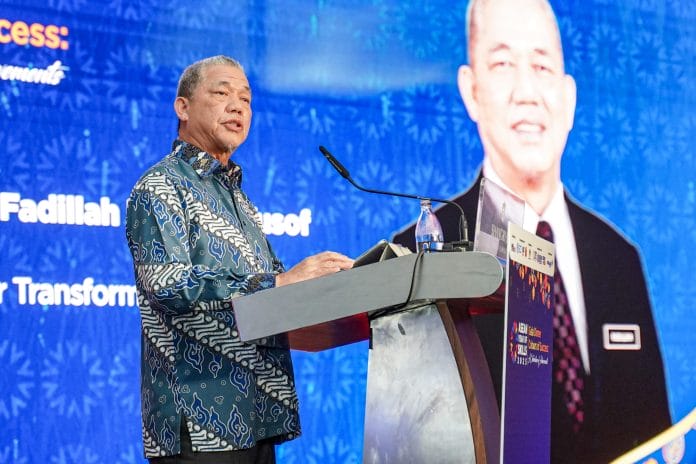
Deputy Prime Minister and Minister of Energy Transition and Water Transformation, Datuk Seri Fadillah Yusof, said the project reflects the government’s commitment to strengthening the resilience of the national energy system amid growing uncertainties in global energy supply chains and international energy markets.
He said the initiative would help ensure domestic electricity supply security, improve grid reliability and maintain energy affordability for consumers.
The Santong BESS project is expected to play a key role in supporting wider integration of renewable energy into Malaysia’s electricity supply system as the country moves towards its target of achieving 70% renewable energy installed capacity by 2050.
Fadillah said energy storage technologies such as BESS are becoming increasingly important in addressing intermittency challenges linked to renewable energy sources, particularly solar power, while enhancing the flexibility and resilience of the national grid.
The system functions as a large-scale “power bank” capable of storing excess electricity and releasing it when demand rises, helping stabilise grid frequency and reduce the risk of supply disruptions.
As Malaysia’s first smart energy bank connected to the grid using grid-forming technology, the Santong BESS project is also expected to serve as an important learning platform for the local energy industry in the development, operation and integration of utility-scale energy storage systems.
The government said insights gained from the project would help pave the way for future BESS integration under large-scale solar developments and other national green energy initiatives.
Beyond grid stability, the project is also expected to spur the development of a new industrial ecosystem involving battery technology, energy management systems, smart grid engineering and local green energy talent development.
Through Ministry of Energy Transition and Water Transformation, the government said it will continue working closely with industry players to ensure new energy technologies are implemented sustainably and safely in line with Malaysia’s low-carbon growth agenda.