


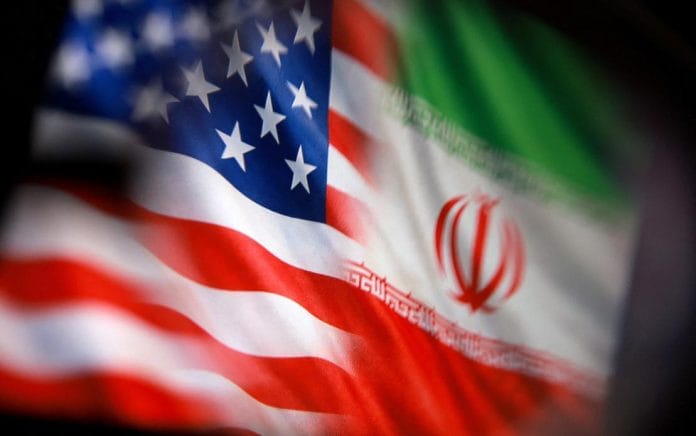
U.S. special envoy Steve Witkoff and Iranian Foreign Minister Abbas Araqchi are set to travel to Switzerland for renewed talks following a ceasefire agreement between Israel and Hezbollah in Lebanon, raising hopes for a broader and more durable regional peace deal.
Reuters reported that the diplomatic push comes days after Washington and Tehran signed a 14-point memorandum aimed at halting hostilities and opening a 60-day window to resolve disputes over Iran’s nuclear programme and other key issues.
According to reports, Witkoff will join former White House adviser Jared Kushner in Switzerland, while Araqchi is expected to arrive on Saturday for what could be the start of technical negotiations toward a permanent truce.
The breakthrough follows a ceasefire that took effect in Lebanon on Friday after intense fighting between Israel and Hezbollah threatened to derail ongoing U.S.-Iran negotiations critical to reopening the Strait of Hormuz and stabilising global energy supplies.
A senior U.S. official said mediators from the United States and Qatar helped broker the ceasefire with support from Iran. Hezbollah and Israeli sources also confirmed the agreement.
Despite the truce, tensions remain high. Lebanon’s health ministry reported 47 deaths and 97 injuries from Israeli strikes carried out earlier on Friday, while Israel said four soldiers were killed in fighting in southern Lebanon.
The Lebanon conflict remains a key obstacle to a broader U.S.-Iran accord, with ending the fighting considered a central condition for any lasting agreement.
Meanwhile, discussions are underway for a new round of Israel-Lebanon negotiations in Washington from June 23 to 25, with Lebanese President Joseph Aoun insisting that a comprehensive ceasefire is essential for progress.
The interim deal has already eased concerns in energy markets. Brent crude prices are on track for a weekly decline of about 8%, while oil shipments through the Strait of Hormuz have begun to recover after disruptions caused by the conflict.
U.S. President Donald Trump defended the agreement amid criticism from some Republican lawmakers, insisting the deal reflects American strength rather than concession.
“The war has diminished Iran,” Trump wrote on social media, adding that Tehran “gets no money” during the 60-day negotiation period.


