


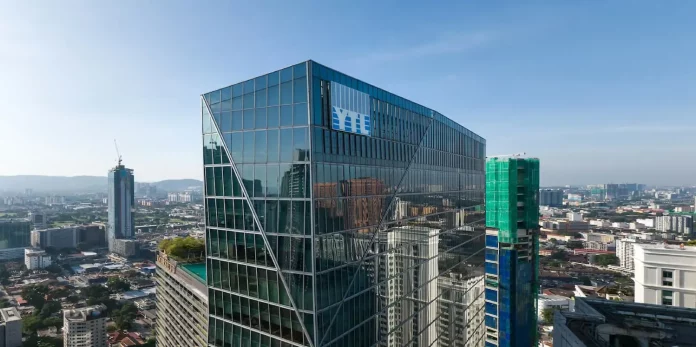
YTL Data Centre Park is set to significantly expand its capacity, with total data centre capacity expected to reach approximately 600MW by the end of 2027, according to observations from Kenanga Research following a recent site visit.
Kenanga said the expansion underscores the rapid growth of Malaysia’s data centre sector, driven by increasing demand for cloud computing, artificial intelligence (AI) infrastructure and digital services.
The research house noted that YTL Data Centre Park currently has 298MW of contracted capacity, comprising 188MW of operational capacity and another 110MW expected to be ready by the end of financial year 2027.
An additional 300MW is expected to be completed by the end of next year, bringing the total planned capacity to around 600MW.
Despite the growing AI demand globally, Kenanga observed that YTL’s current focus remains primarily on the co-location leasing model rather than AI-specific infrastructure.
Of the 298MW contracted capacity, only 7.5MW is equipped with Nvidia-partnered AI infrastructure, while the remainder is dedicated to conventional co-location services.
Kenanga said total capital expenditure invested into the projects to date stands at approximately RM8.2 billion.
The research house added that construction timelines have accelerated significantly due to strong demand, shortening from around 24 months previously to 18 months and now approximately 12 months.
YTL Data Centre Park also has sufficient land reserves to support another 600MW of future expansion, although the timeline for these additional phases has yet to be determined.
Kenanga noted that the scale of expansion could potentially support a future data centre initial public offering (IPO).
On power infrastructure, YTL has secured a 300MW Electricity Supply Agreement (ESA) with Tenaga Nasional Berhad, with an additional 300MW ESA currently pending.
To support green energy requirements from data centre customers, YTL’s 70%-owned subsidiary SIPP is developing an off-grid, battery-less 215MWac solar facility to supply renewable power directly to co-location clients.
The solar project forms part of a broader 500MWac renewable energy development plan.
Kenanga said it was encouraged by the progress made since its previous visit in December 2024, noting that the campus has expanded from having one operational facility and two under construction to four completed and operational data centres.
The completed facilities include JDC1, JDC2, JDC3 and JDC6, while the additional 110MW expansion remains under construction.
The supporting solar farm is also expected to be completed by the end of this year.
Kenanga said the data centre campus layout provides room for future expansion phases and agreed with management’s guidance that meaningful earnings contributions from the data centre segment are expected to materialise from financial year 2028, once the initial 298MW capacity is fully operational.
For now, Kenanga said it is maintaining its FY2026 and FY2027 earnings forecasts, as current projections only account for the 188MW operational capacity, with the remaining 110MW expected to contribute from FY2028 onwards.


