


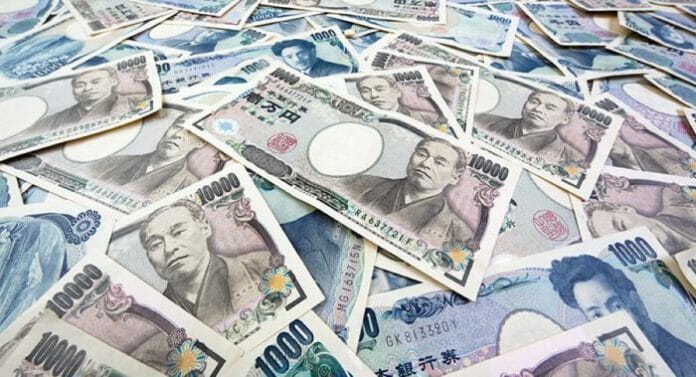
Japan has reiterated that it stands ready to respond to excessive currency moves, with Finance Minister Satsuki Katayama saying Tokyo remains in close contact with Washington on foreign exchange policy as the yen steadies after recent volatility.
“Our stance has not changed at all. We will respond appropriately at any time as needed,” Katayama said at a regular press conference.
The yen briefly recovered from a 40-year low earlier this week after weaker-than-expected US jobs data pushed back expectations of near-term Federal Reserve rate hikes, offering temporary relief to the currency.
Officials confirmed that Japanese and US authorities continue to maintain regular communication on FX matters, including during periods when US markets are closed.
Underscoring market sensitivity, traders have been alert to the possibility of intervention after sudden movements in the yen, although recent fluctuations were not confirmed as official action.
The currency traded at 161.2 per dollar on Friday, recovering from a low of 162.84 earlier in the week.
Japan’s prolonged yen weakness has become a growing policy concern, raising import costs and tightening pressure on households and businesses already affected by higher energy prices linked to global supply disruptions.
New data also showed increasing strain in the corporate sector. A report by Tokyo Shoko Research found that bankruptcies linked to a weak yen rose 32.3% in the first half of 2026 compared with a year earlier, reaching 45 cases.
“The rise in import costs for materials and goods caused by the weaker yen weighed, particularly on wholesalers with limited pricing power,” the report said, adding that such bankruptcies are expected to remain elevated.
Katayama said the government intends to implement measures to support private-sector activity in response to these pressures.
However, broader policy challenges remain, with investor concern over fiscal spending and monetary policy coordination continuing to weigh on bond markets.
Benchmark 10-year Japanese government bond yields recently hit a 30-year high as markets reacted to expectations of increased government spending and uncertainty over the Bank of Japan’s policy path.
Despite record tax revenue of 84.2 trillion yen in fiscal 2025, investors remain cautious about Japan’s fiscal outlook.
Katayama pushed back against suggestions of a policy shift, saying the government remains committed to maintaining market confidence and that its economic stance is unchanged.
Still, internal debate appears to be emerging, with some advisers calling for gradual Bank of Japan rate hikes to help stabilise the currency and curb excessive yen weakness.


