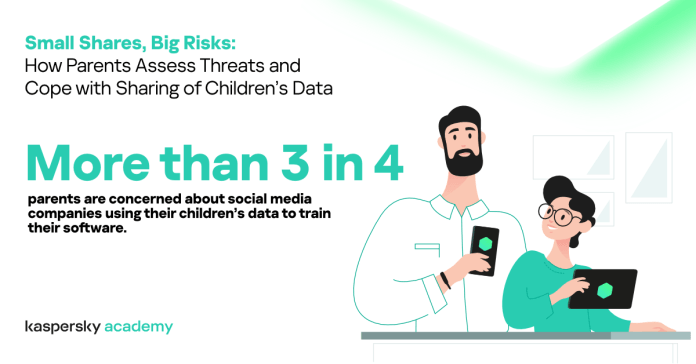
Surveyed parents from key APAC countries and Egypt expressed their concern not only about online risks that are visible, such as encountering strangers and cyberbullying, but also their discomfort towards targeted advertisements and digital profiling. On the other hand, the same study finds that parents’ perspectives on sharing content about their children online are varied.
Kaspersky and the Singapore Institute of Technology (SIT) deep dived into the perception and behaviour of parents actively sharing their parenting journey online. The joint study found that parents in Asia Pacific (APAC) and Egypt are aware and are worried about the
potential misuse of data and media they upload on their social media accounts about their children.
However, an internal conflict arises when it comes to the perks and the downsides of “sharenting”.
The research titled “Small Shares, Big Risks: How Parents Assess Threats and Cope with Sharing of Children’s Data”, is based on 152 online responses from Malaysia, India, Indonesia, Myanmar, the Philippines, Singapore, Vietnam, Hong Kong and Egypt.
Stranger danger is a main cause of discomfort for parents “sharenting” online. Sharenting is the act of publishing photos, videos, and information of children and parenting on social media accounts and online websites. The recent Kaspersky study found that three-
quarters (75%) of parents surveyed from APAC and Egypt think that other people will likely misuse their posts. Likewise, more than seven in 10 believe that strangers can locate where they live (74%) and where their children go to school (73%).
The majority (80%) of parents also anticipate severe consequences if other people misuse their data, and 82% fear undesirable repercussions of unintentionally revealing where their children live. Another 69% believe that embarrassing posts about their children could be taken out of context in the future.
“For many parents, discomfort with sharenting comes from a very natural concern about strangers. They worry about unknown individuals saving their children’s photos, piecing together where their family lives, or misusing such information years later in ways they cannot control. These concerns are valid and point to how exposed children can become without parents fully realising it. Feeling uneasy about sharenting often reflects an awareness of these risks, and that awareness is an important first step towards more mindful and protective sharing decisions,” said Associate Professor Jiow Hee Jhee, Deputy Director, Teaching and Learning Academy at the Singapore Institute of Technology (SIT).
Modern parents are also aware of the dangers that come with “social media profiling”. Even if children do not have social media accounts of their own, social media companies are able to profile children by harvesting their data and analysing their behaviour through tagged
or uploaded posts and photos by parents themselves or other people. This massive yet hidden compilation of data on an individual is called a “shadow profile”.
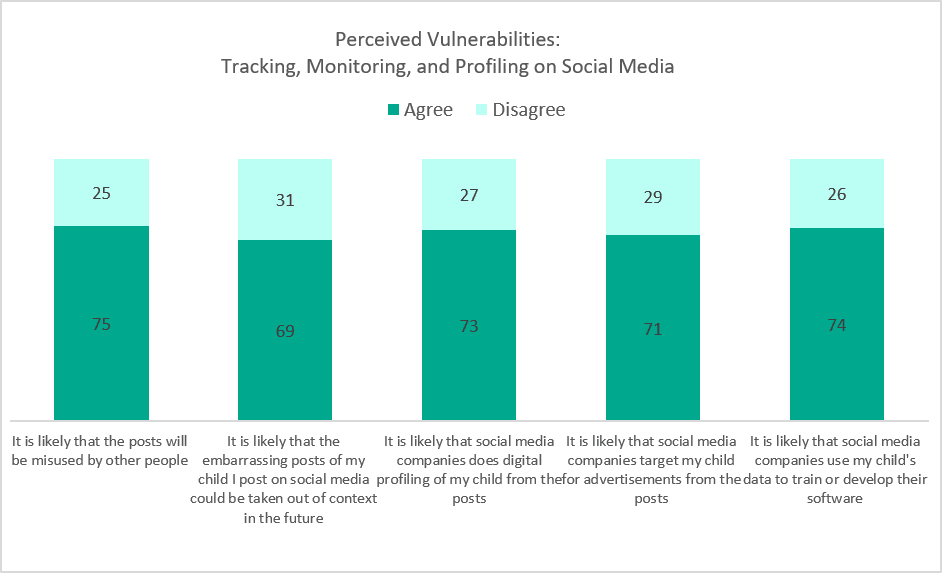
By the numbers, more than seven in every 10 parents express their concern about social media companies using their children’s data to train or develop their software (74%), believe that social media companies profile their children online (73%), think that social media companies target their children for advertisements (71%), while 78% wary of its severity. Nearly 80% of the parents also say that marketing (3 rd party) companies profiling their children would lead to severe consequences, and 79% think that the consequences for their
children of online behavioural tracking activity would be severe.
While parents recognise the privacy risks and concerns of “sharenting”, Kaspersky and SIT further found that parents’ perspectives on sharing content about their children online are varied.
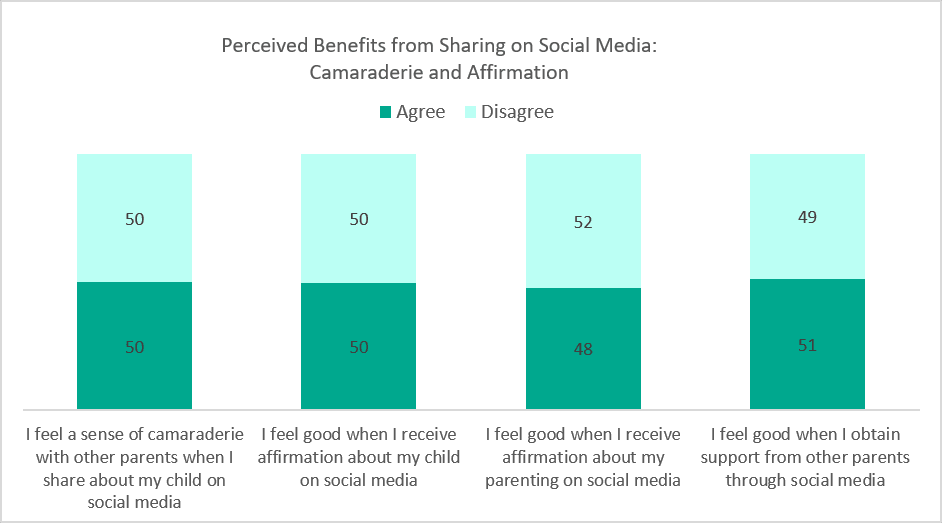
Half of the respondents acknowledge feeling camaraderie with other parents when they share about their children, while the other half say they do not. In the same percentage, five in every 10 parents say that the affirmations they receive about their children on social media give them a positive feeling, while the other half share the opposite view. There are parents who appreciate the validation they receive about their parenting (48%), and those who are on the opposite end (52%).
Nearly half (47%) report that sharing updates about their children with people they do not see regularly or who live far away makes them feel good, while 53% do not share this sentiment.
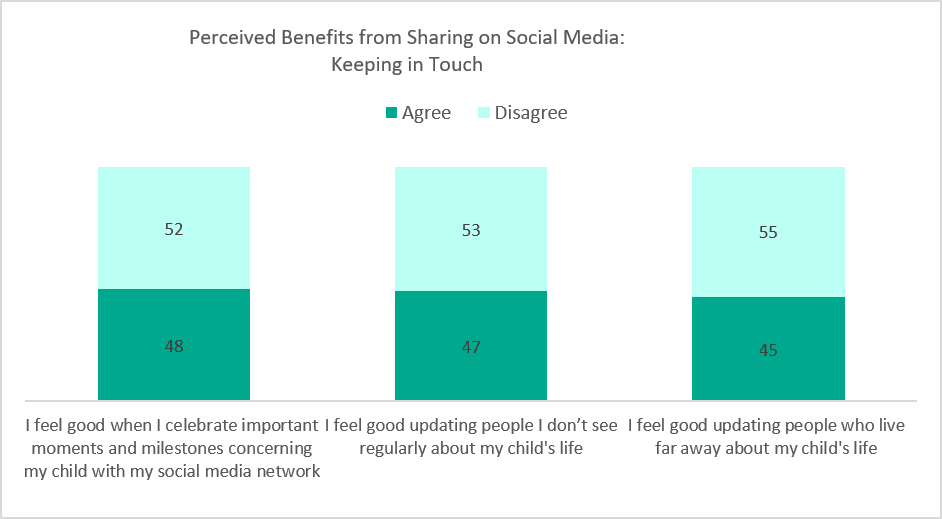
Though close to half of the respondents (48%) admit feeling positive about sharing important moments and milestones concerning their children, almost a majority (82%) say they do not regularly update their social media network about their family milestones. Notwithstanding, these parents may be having a so-called “sharenting dilemma”, recognising the incentives of sharing for social connection, network support, and validation, yet are still leaning towards a more cautious approach.
“Our study suggests that parents find it concerning that social media and third-party marketing companies can profile and track their children when they share about them online. And even if children themselves have no social media accounts of their own, these platforms can still paint their behavioural portraits as prospective consumers using other users’ data. Though many of these parents acknowledge that sharing their parenting journeys do have benefits, they err to the side of caution by limiting what they share. There are ways to practice mindful sharenting, and it starts with being more intentional with managing children’s digital footprints,” said Trishia Octaviano, Senior Manager, Cybersecurity Education for Asia Pacific at Kaspersky.
To continue “sharenting” more securely, Kaspersky experts present a quick checklist on how to manage digital privacy for your family’s safety:
- Delete old accounts that you no longer use.
- Set your accounts to private if you do not intend for your profile to be public.
- Take time to navigate the privacy settings on your social media accounts, and check them regularly, as they tend to change. Review your network of contacts, past activities, and profile visibility.
- Before disclosing any information online, think about whether it could be used against you.
- Be mindful about disclosing geolocation in posts and remove metadata from photo files. (For a detailed instruction on how to do, read this article on Kaspersky’s blogsite)
- Consider taking down posts that expose your child’s frequent and significant locations, e.g. school, sports club.
- Actively monitor your child’s online activities.
- Use tools such as Kaspersky Safe Kids that also come with Kaspersky Premium. This app makes parental controls easy, including tracking whereabouts and device habits, restricting content, balancing screen time, and more in an all-in-one app.
In today’s digital age, many parents love documenting their children’s memories. But parents should also be aware of the security risks this brings. With the right boundaries and this guide, you can post your family time photos without any worries.