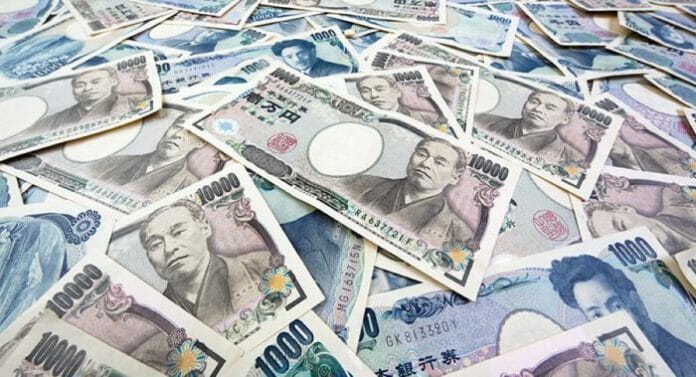
The Japanese yen strengthened on Friday after the government unveiled plans to encourage pension funds to increase investments in domestic financial assets, a move analysts said could provide longer-term support for the currency than direct market intervention.
Japan’s Finance Minister Satsuki Katayama said the government is pursuing measures that would encourage pension funds, including the Government Pension Investment Fund (GPIF), one of the world’s largest, to make “substantially greater investments in Japanese financial assets.”
The yen strengthened from above 162 against the US dollar to an intraday high of 161.285 before trading 0.46% firmer at 161.64.
IG market analyst Fabien Yip said a structural shift in pension fund allocations towards domestic assets could generate significant inflows into Japanese equities and bonds while supporting the yen over the longer term. He added that with the currency hovering near 40-year lows against the US dollar, policymakers appeared to be looking beyond intervention and focusing on more fundamental measures.
The stronger yen also weighed on the US dollar, which slipped 0.15% against a basket of major currencies.
Despite renewed tensions between the US and Iran raising concerns over energy prices and inflation, currency markets remained relatively calm. Macquarie Group global FX and rates strategist Thierry Wizman said the threat of wider conflict continued to hang over market sentiment, particularly over the risk of further disruption to shipping through the Strait of Hormuz.
Elsewhere, the New Zealand dollar advanced after the Reserve Bank of New Zealand raised interest rates this week and signalled further monetary tightening ahead.