



I have always seen the Hyundai Tucson as an SUV that deserved more attention in Malaysia than it received. With the latest facelift, I think Hyundai has finally given it the design, technology and road manners needed to make buyers look beyond the familiar Japanese choices.
The first thing that caught my attention was the exterior. I find the Tucson noticeably more distinctive than many SUVs in this segment, largely because of its 3D parametric-style grille and sharply defined surfaces. It looks contemporary without trying too hard, and I like that Hyundai has developed a recognisable design identity instead of simply following the segment.
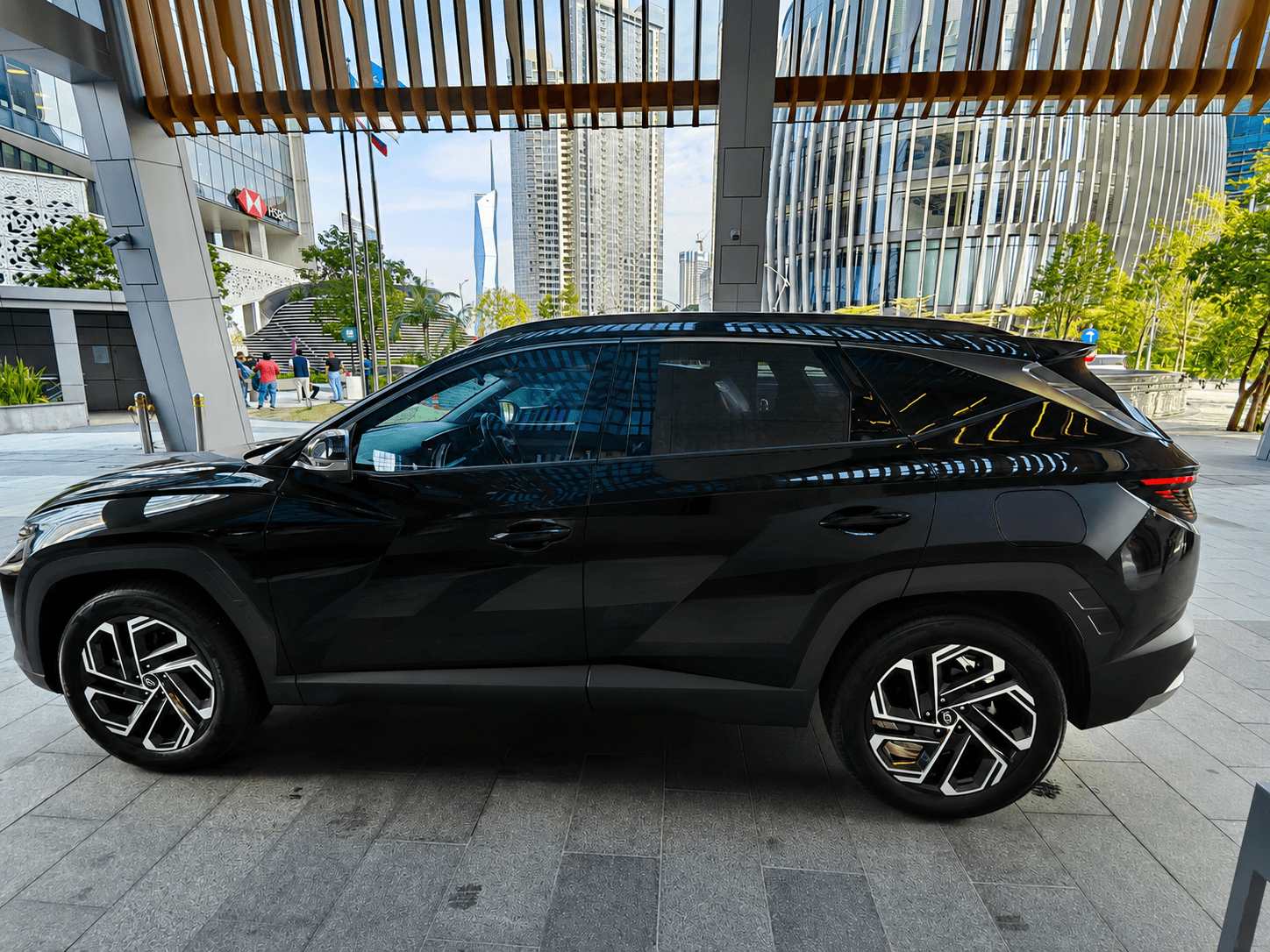
Behind the wheel, I found the Tucson equally convincing.
The Smartstream 2.0 MPi petrol engine produces 156 PS at 6,200 rpm and 192 Nm of torque at 4,500 rpm. Those figures are not going to turn the Tucson into a performance SUV, but that is not what I expect from a family-oriented crossover.
What mattered more to me was how composed it felt in everyday driving. Power delivery is predictable and the Tucson feels well suited to urban commuting and highway cruising. I found the ride comfortable, cabin refinement good and body control reassuring through corners.
That balance is arguably one of the Tucson’s strongest qualities. I do not think it tries to be as overtly engaging nor does it rely purely on space to make its case. Instead, I found it mature, quiet and easy to drive — qualities that matter far more when I am spending hours behind the wheel.
A Cabin That Has Moved Forward
Inside, the Tucson makes a stronger impression.
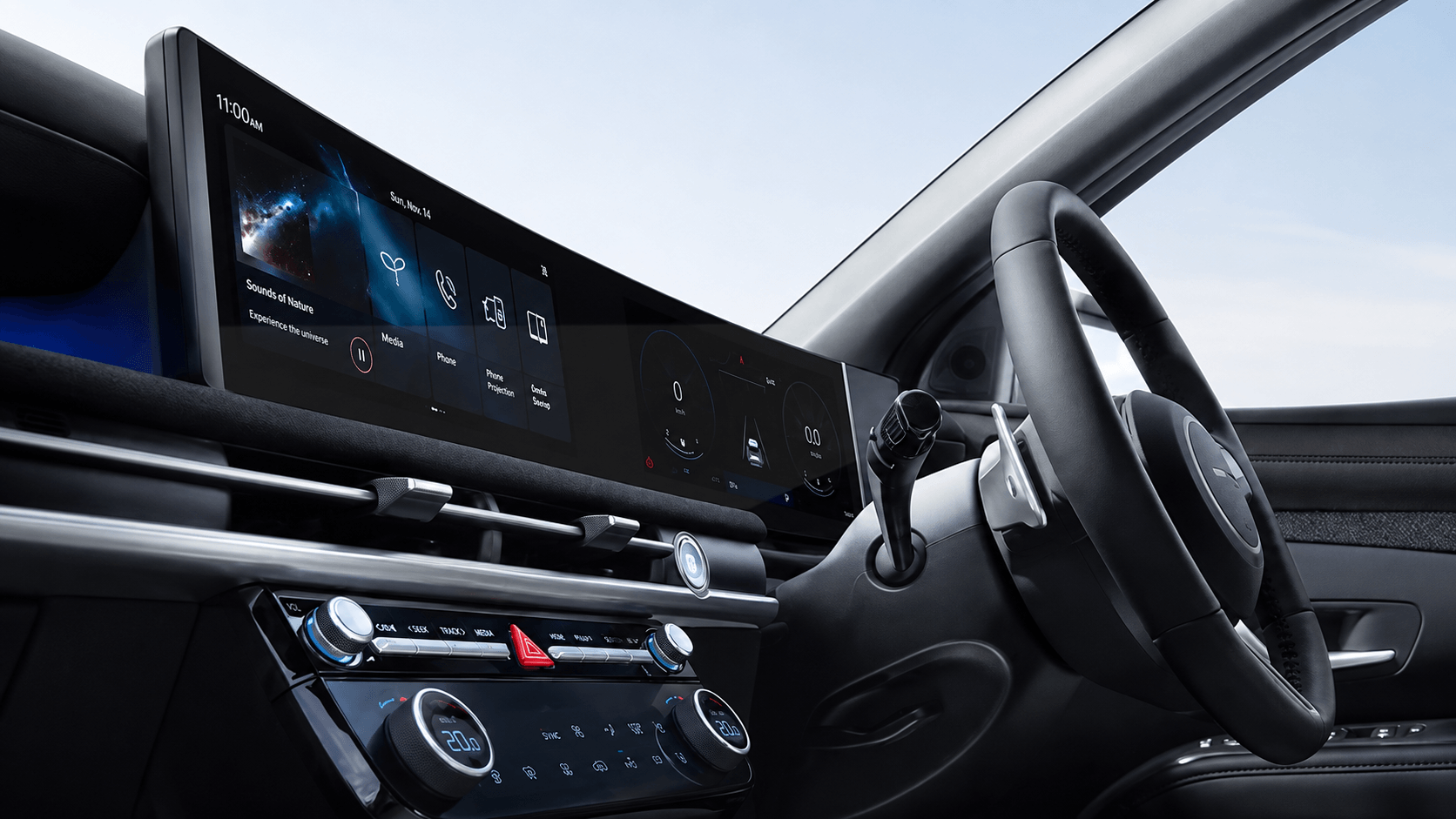
The 12.3-inch panoramic curved display immediately modernises the dashboard, while the overall layout feels cleaner and more digitally focused. I appreciate technology when it makes a car easier to operate rather than simply giving me another screen, and most of the Tucson’s systems achieve that.
The Blind-Spot View Monitor is particularly useful. When I activate the indicator, I can see a live view of the relevant blind spot, giving me another layer of information before changing lanes.
I found the Surround View Monitor just as practical. In tighter parking spaces, the bird’s-eye perspective removes much of the guesswork around the vehicle’s corners.
There is, however, one change that I am less convinced about.


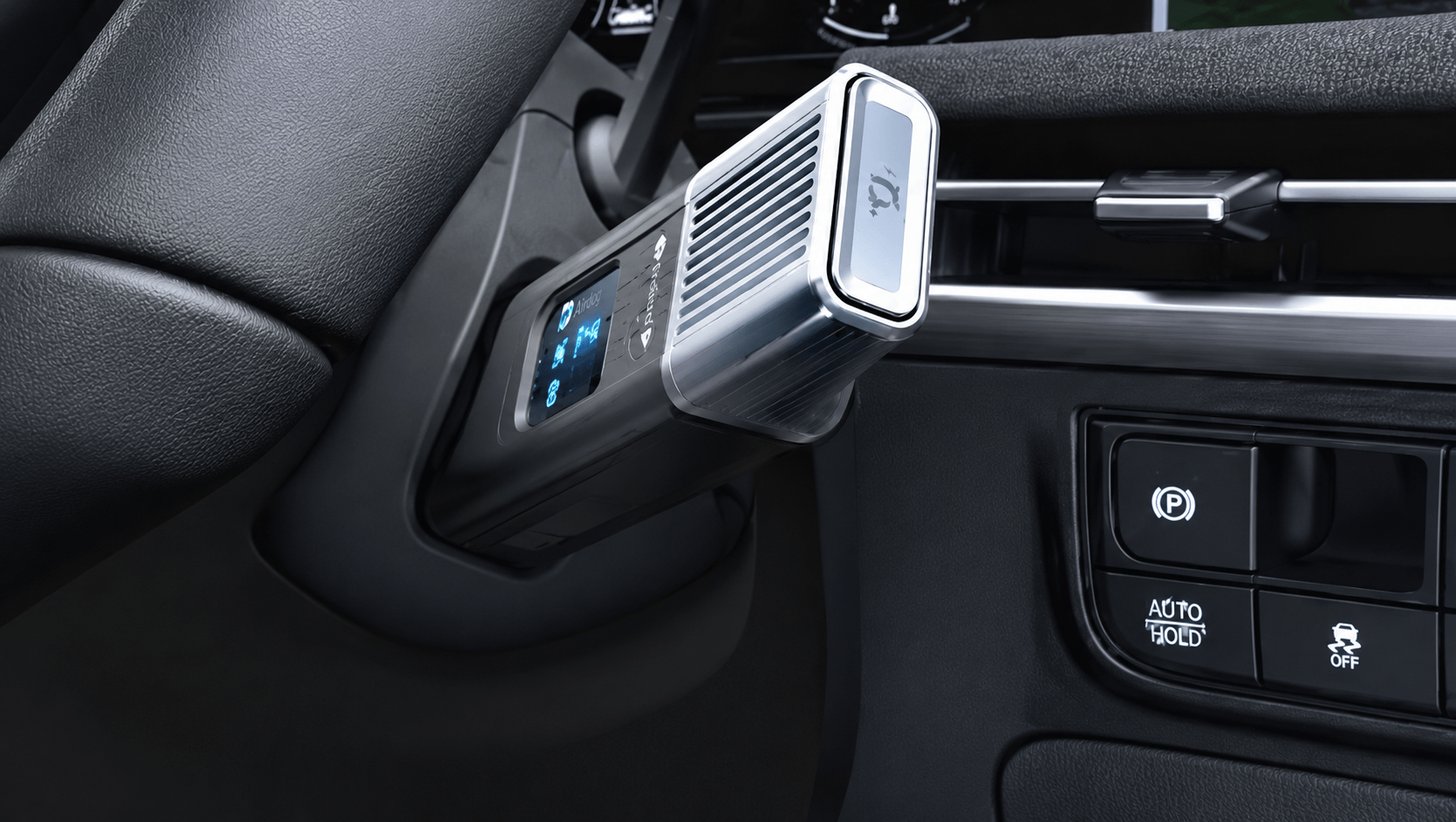
Hyundai has moved the electronic Shift-by-Wire selector onto the steering column. On paper, placing the shifter closer to the steering wheel sounds convenient and frees up space around the centre console.
In practice, I found the new column-style electronic shift lever slightly troublesome. Its position takes some getting used to and does not feel as intuitive as I would like. I think Hyundai could have placed it elsewhere in the cabin or incorporated the function more neatly with another shifter control rather than adding another stalk around the steering column.
It is not a deal-breaker, but it is one of those details that repeatedly reminded me that a new solution is not automatically a better one.
More Than Just Another Alternative
The bigger question for me is where the Tucson now sits in Malaysia.
I think Hyundai faces a tougher challenge here than merely building a good SUV as both Honda and Mazda already have strong recognition, while newer Chinese brands are putting intense pressure on established players through aggressive pricing and equipment levels.
That means the Tucson cannot simply be competent.
Fortunately, I think this version has enough personality to make its own argument.
I prefer its more futuristic exterior to many of its mainstream rivals, while its cabin technology and refinement make it feel suitably current. Hyundai’s European-influenced approach to ride, handling and design also gives the Tucson a character that I find distinct from both Japanese and newer Chinese competitors.
I would not call it the outright winner in every area. I still see advantages elsewhere depending on priorities: Some rivals offer more rear-seat room, while others are more entertaining on a winding road.
What I like about the Tucson is how few obvious weaknesses it has.


It is comfortable without feeling disconnected, technologically advanced without becoming overwhelming and distinctive without relying on gimmicks. The 2.0-litre engine may not deliver fireworks, but for the type of driving most owners will actually do, I found the overall package convincing.
For Malaysian buyers accustomed to automatically putting a CR-V or CX-5 on the shortlist, I think the latest Tucson deserves to be added before a decision is made.
I would not choose it simply because it is different.
I would consider it because Hyundai has finally made the Tucson good enough that choosing something different no longer feels like a compromise.


