



A chair usually hides how it is made. KUMIKI does the opposite. Its timber joints are left exposed, making construction one of the main features of the design.
The new furniture collection from HBA Product, the product design practice of Hirsch Bedner Associates (HBA), was unveiled during Milan Design Week 2026. It was created with Italian furniture house Giorgetti and marks the companies’ second collaboration, following the HIKARI collection in 2024.
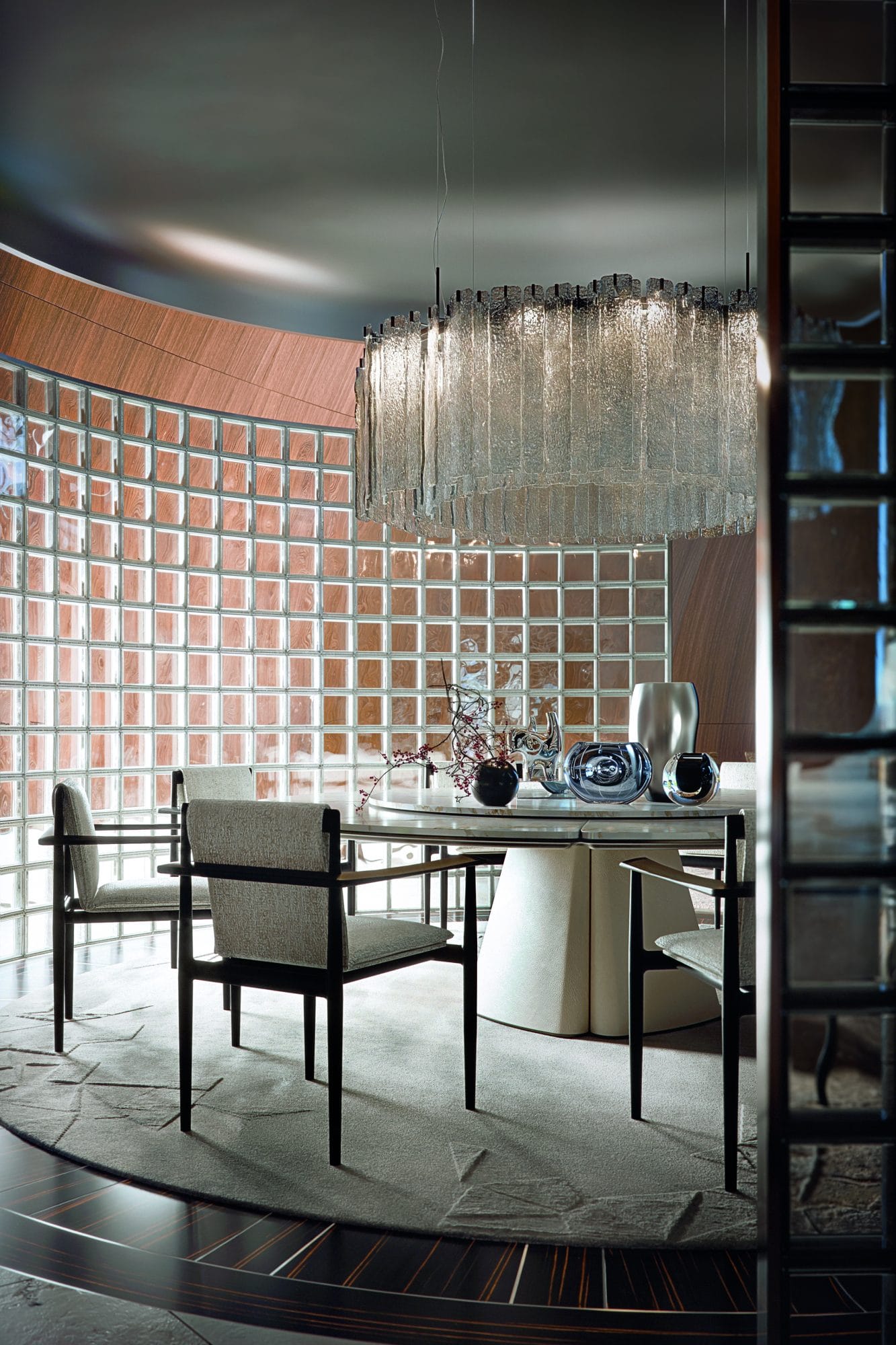
KUMIKI consists of two pieces: a lounge armchair and a dining chair. Both use Canaletto walnut for the main frame, with the wood joints clearly visible.
The collection takes its name from kumiki, a traditional Japanese woodworking technique. It connects pieces of wood without nails, screws or glue. HBA Product uses the same principle as the basis for the chairs, allowing the joints to remain visible rather than covering them with upholstery or decorative elements.
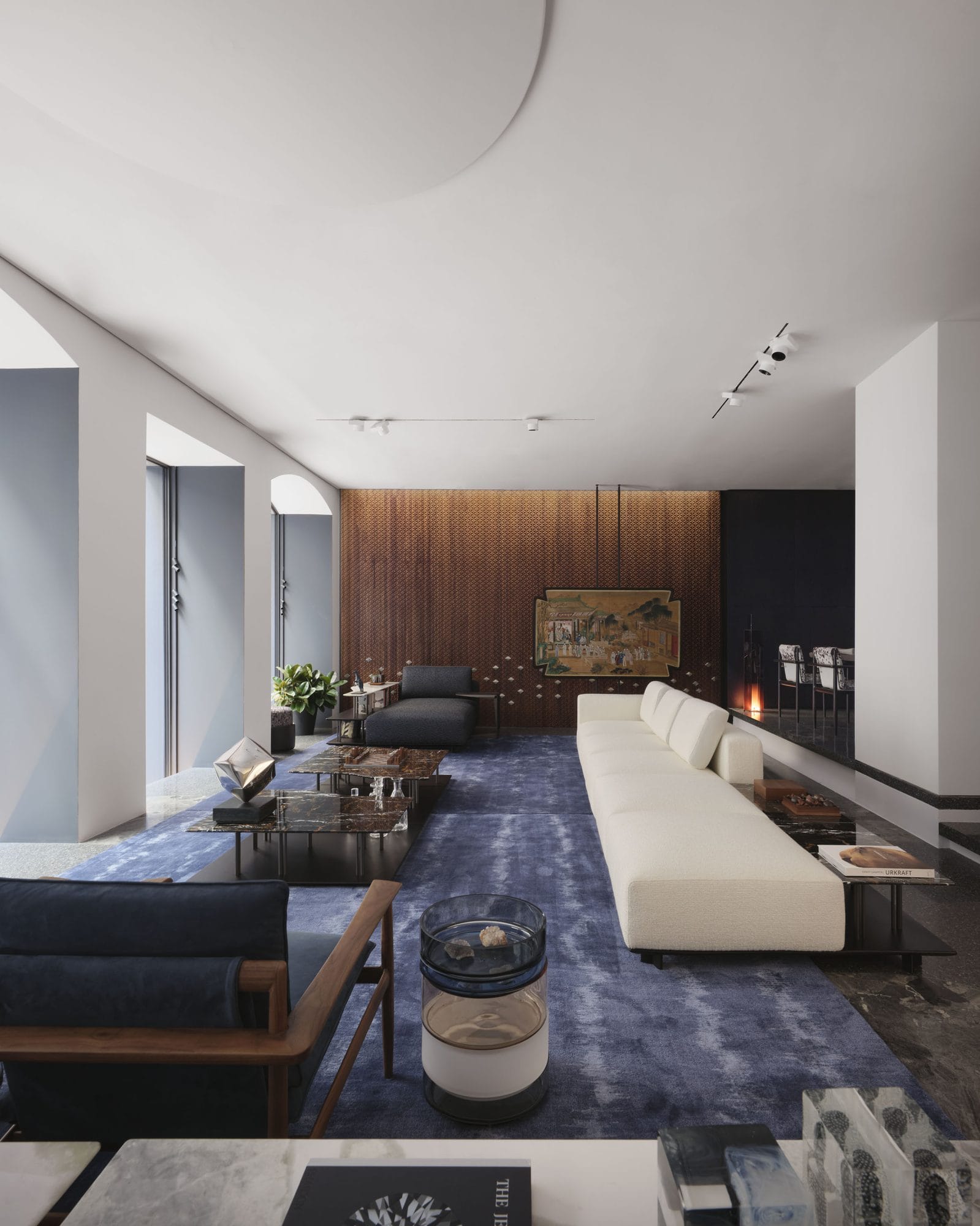
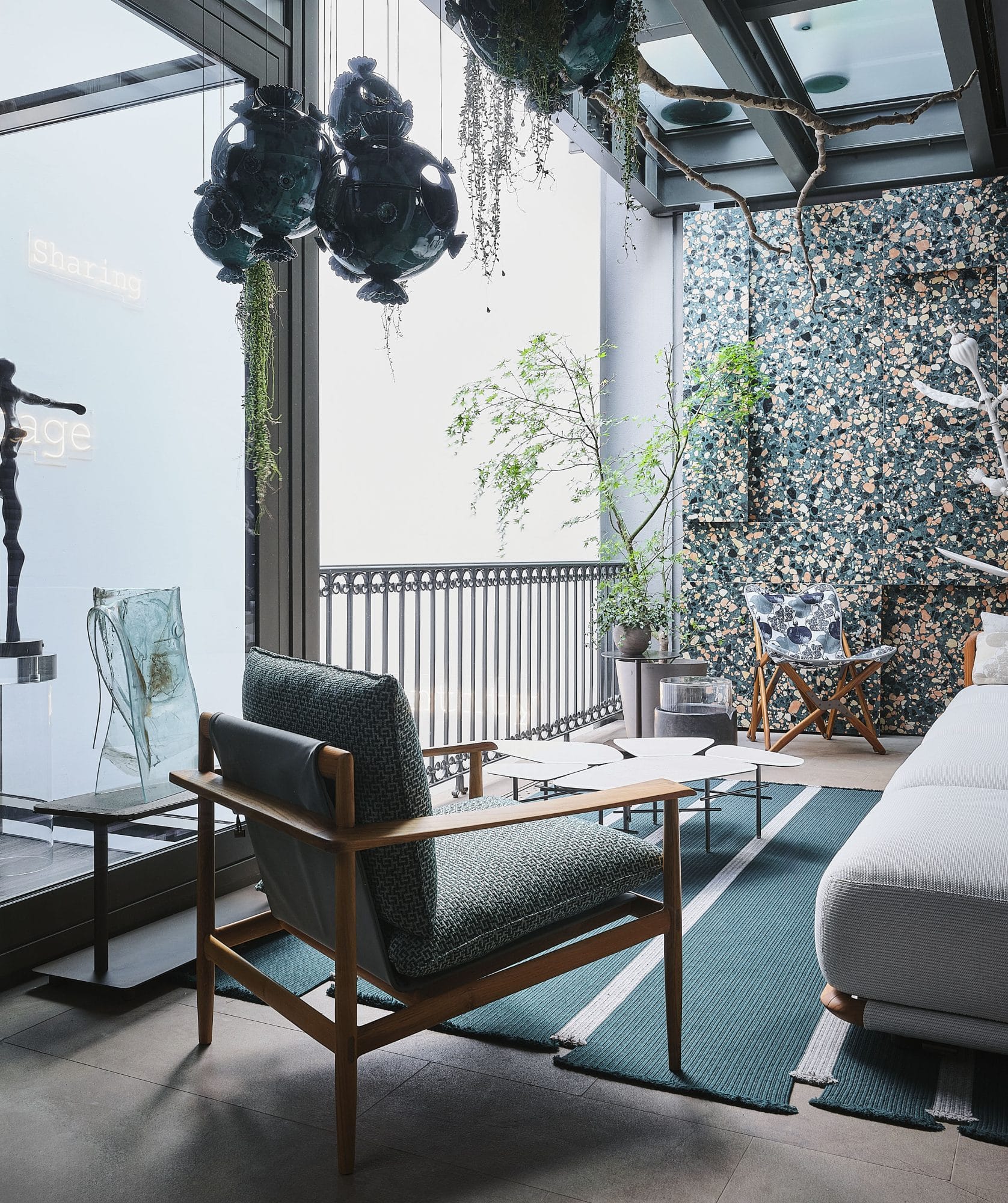
This gives the chairs a clear visual structure. The frame shows how the individual pieces fit together, while the upholstery follows its form. The lounge chair offers a more relaxed posture, while the dining chair has a more upright profile.
The collection also brings together two furniture-making traditions. Japanese woodworking is known for its precise joinery, while Italian furniture design has a long tradition of close attention to materials and craftsmanship. KUMIKI draws on these shared principles without directly blending the two styles.
“Each connection is purposeful and visible,” says Kevin Shek, Lead Product Designer at HBA Product. “The integrity of the craftsmanship becomes part of the design narrative.”
Material choice is also central to the collection. The Canaletto walnut gives the indoor chairs their distinctive grain and structure. For outdoor use, HBA Product and Giorgetti have adapted the collection with solid teak, technical outdoor fabrics, quick-drain cushioning and corrosion-resistant stainless steel.
The outdoor version keeps the same basic construction and proportions while using materials suited to exterior conditions. This allows the design to work across residential and hospitality settings.
For HBA, the project reflects its approach to product design as part of a larger interior or architectural setting. Rather than treating furniture as a standalone object, the practice considers how it works within a space.


