



The 51st Toronto International Film Festival came to a close on Sunday, and now it’s time to figure out what it told us about the nascent race to the Oscars.

- La Bola Negra has emerged as competition for The Odyssey
Netflix’s Spanish-language epic La Bola Negra has had quite a week. Starring Academy Award winner Penelope Cruz and Academy Award nominee Glenn Close, its Canadian premiere elicited one of the fest’s longest-standing ovations on record last Tuesday. On Wednesday, Spain selected it as the nation’s best international feature Oscar entry. And on Sunday, it won the fest’s audience award, a first for a Netflix film. The Toronto audience is thought to be a pretty close demographic facsimile to the Academy, and every other audience award winner of the past decade did go on to at least a best picture Oscar nom, so the win is certainly encouraging news for directors Los Javis. In fact, given that TIFF audiences also saw Searchlight’s Wild Horse Nine (which John Malkovitch picked up the Volpi Cup for Best Actor) and A24’s Club Kid, two of the season’s other biggest awards hopefuls, and that those two films didn’t place in the top three for the audience award, I think that one has to regard La Bola Negra, at least for now, as the primary challenger to Universal’s The Odyssey in the best picture Oscar race.

2. I Play Rocky and Being Heumann are strong contenders too
Peter Farrelly’s rousing drama about young Sylvester Stallone — played in a star-making and awards-friendly turn by Anthony Ippolito (who uncannily looks and sounds like Stallone) — and the making of Rocky was applauded throughout its first screening and then extensively after it ended. The film was first runner up in the competition for the People’s Choice Awards.

The same goes to Siân Heder’s “Being Heumann” The film is Heder’s first since “CODA,” the Sundance sensation which went on to win the best picture Oscar, a first for Apple Original Films and any streaming company. It chronicles the true story of how Heumann and her motley crew of activists fought for equal rights by waging a 28-day sit-in protest that helped pave the way for the Americans with Disabilities Act. Rather than depicting disabled people in the ableist trope of the infantilized person, the film shows them exhibiting romantic and sexual feelings, humour, and anger. It’s no wonder the film picked up second runner-up in the People’s Choice Awards.

3. Elsinore could shake things up
Biographies tend to be a swing and a miss in the Academy. The knock on Focus’ Elsinore is that, supposedly, it’s all about Andrew Scott’s tour-de-force performance, and the rest of the film is merely adequate. However, Scott’s tour-de-force performance landed the film an international audience award. (La Bola Negra was removed from the running for that one because it placed in the top three of the overall audience award).
The film looks at Scottish actor Ian Charleson (of Chariots of Fire fame) performances as Hamlet at the National Theatre in the final months of his life, and the odds he faced in preparing for and performing the role while seriously ill from AIDS. Where many have pointed out Bohemian Rhapsody (60 percent on RT) and Elvis (77 percent on RT), who both earned Academy Award nominations despite middling reviews, Elsinore could possibly join the list.
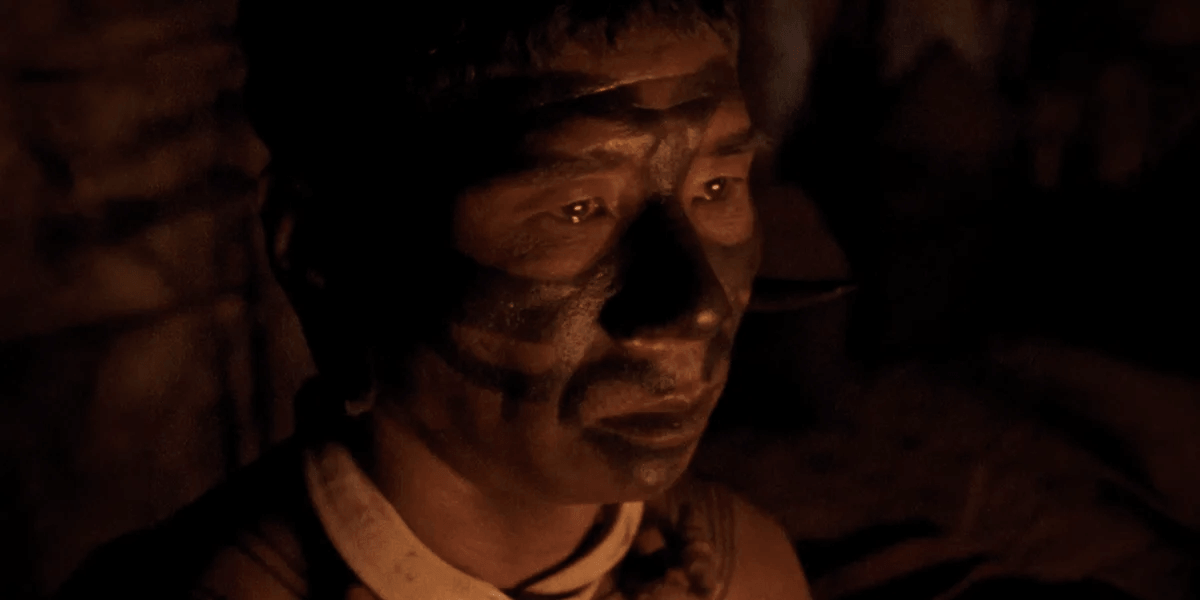
4. Angh officially qualifies for Best International Feature Film
Despite India not submitting this film for Best International Film, Angh automatically qualifies for the category anyway due to its Platform Prize win. In a plot similar to Achebe’s Things Fall Apart, the film centres on a small Konyak Naga family in the 1960s who are the last remaining residents of their otherwise abandoned former village in Nagaland, but whose devotion to the traditional culture of their people is challenged by the arrival of a Christian missionary from the United States. Expanding on his 2021 short film, Theja Rio’s debut feature “Angh” forces its way into the hidden crevices between indigenous identity and colonial modernity, particularly on the intentions of missionaries in indigenous communities.
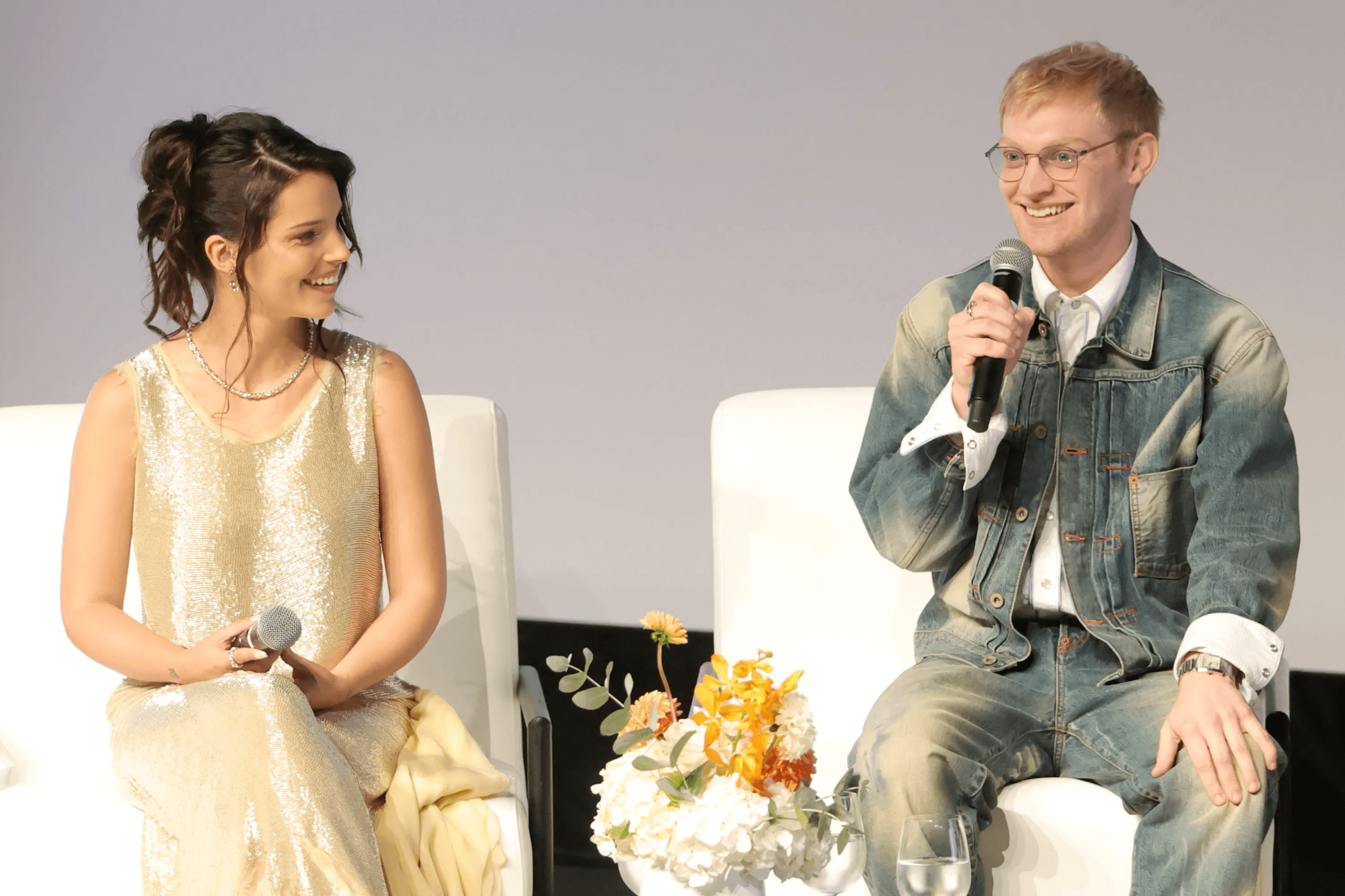
5. Obsession is still part of the conversation
TIFF and the film’s principal talent — writer/director/editor Curry Barker and star Inde Navarrette — took a well-deserved victory lap on the fest’s first Friday, celebrating the remarkable trajectory of the film since TIFF premiered it on Sept. 5, 2025.
During an installment of the TIFF Dialogues franchise, Barker and Navarrette spoke with Peter Kuplowsky, the lead programmer of TIFF’s Midnight Madness section, about how the film, which cost just $750,000, became the talk of the fest that night, sparking an overnight bidding war that resulted in Focus acquiring it for $15 million; releasing it in 2,615 theaters in North America on the weekend of May 15, during which it grossed $17 million; and then watching it exceed that amount for the next five weekends en route to a current total of $514 million in worldwide ticket sales.
Both Barker and Navarette – still just 26 and 25 respectively – are among the newest members of Hollywood’s A-list, and very serious contenders for Oscar nominations.
You can find more information about TIFF here.


