


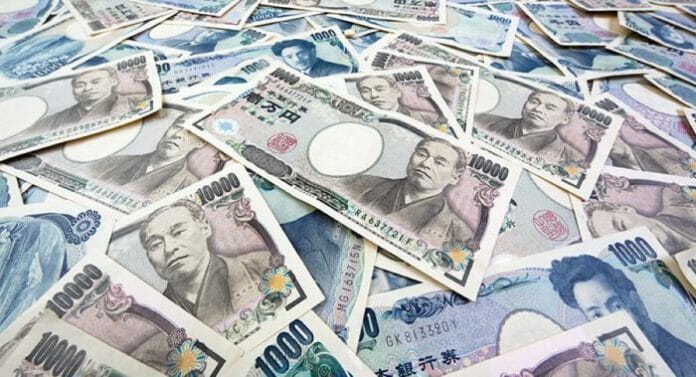
The Japanese yen steadied on Monday after falling 2% last week, with traders remaining alert to possible currency intervention while assessing the outlook for global interest rates.
The yen was at 156.85 per US dollar, with Japanese markets closed for a three-day holiday, limiting liquidity and keeping attention on any potential action by Japanese authorities.
The yen came under pressure despite the Bank of Japan raising its policy rate to 1.25% on Friday, its highest level in 31 years. The move failed to support the currency after two policymakers dissented and the central bank offered limited hawkish guidance.
The yen’s decline accelerated after the Nikkei newspaper reported that Japanese officials had conducted rate checks, which are often viewed as a precursor to currency intervention.
Fred Neumann, chief Asia economist at HSBC, said the BOJ faces a higher hurdle in convincing markets of its hawkish stance after the US Federal Reserve delivered a hawkish signal with its unanimous decision to raise rates.
Thomas Mathews, head of markets for Asia-Pacific at Capital Economics, said the market continued to view the Fed as more hawkish relative to expectations at the start of the month.
The yen had strengthened to a seven-month high in early September as traders bet on faster BOJ rate increases and signs of repatriation by Japanese investors. However, speculative net-long yen positions had also risen to US$9.7 billion in the week to Sept 15, the highest since July 2025.
Mathews said the yen may need to weaken further before intervention becomes a consideration again.
The dollar index, which measures the US currency against six major peers, was steady at 100.23 after gaining more than 1% last week following the Fed’s rate hike and signals that further increases could be needed.
Traders were pricing a 55% chance of another Fed rate hike in October, up from 42.5% a week earlier, according to the CME FedWatch tool.
Reuters


